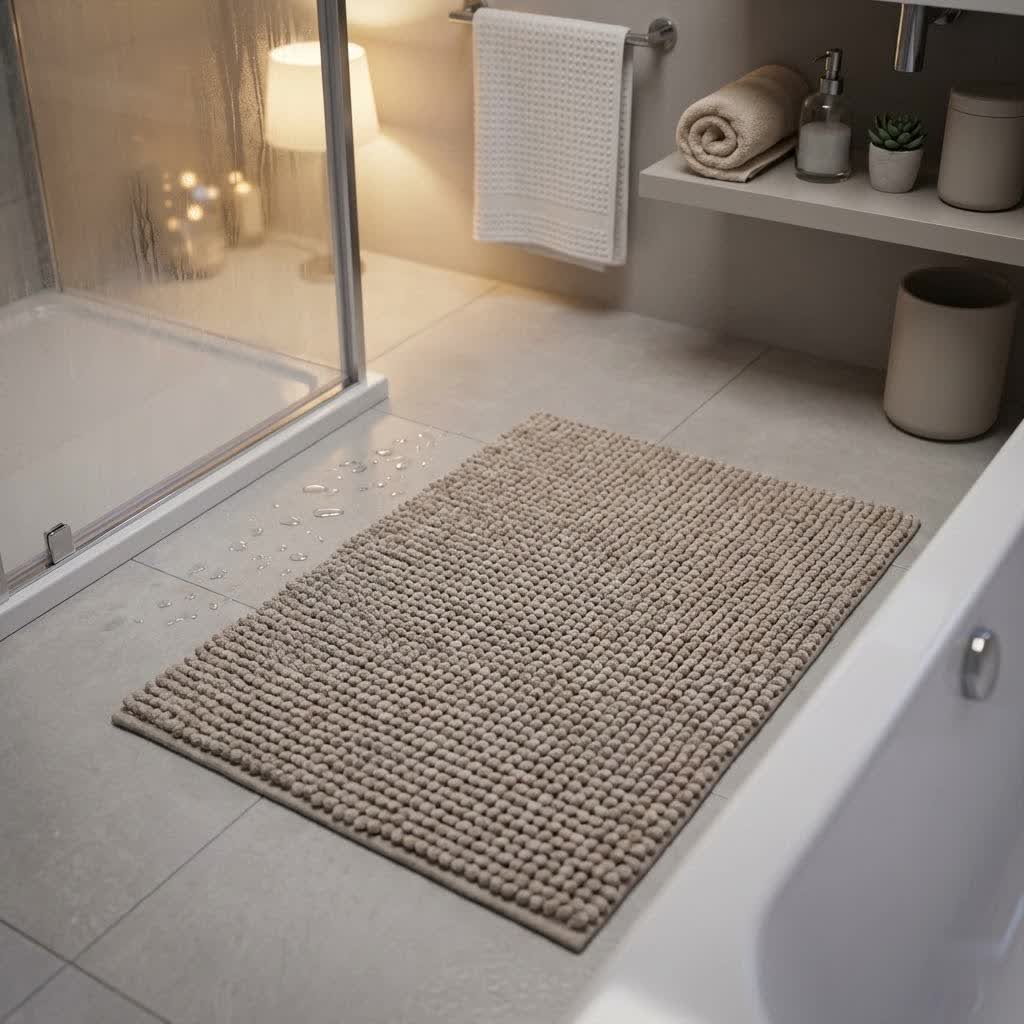
Stepping out of a refreshing shower or relaxing bath onto a cold, soggy fabric mat is a minor annoyance many of us have grown accustomed to. Yet, in our quest for a more hygienic and aesthetically pleasing bathroom experience, a revolutionary product has emerged: the stone bath mat. Designed to tackle dampness, odors, and mold with unparalleled efficiency, these innovative mats are transforming daily routines worldwide. If you’re tired of constantly washing traditional bath mats or dealing with lingering moisture, join us as we delve into everything you need to know about choosing the perfect stone bath mat for your home.
What is a Stone Bath Mat and Why Do You Need One?
A stone bath mat is an ingenious bathroom accessory primarily crafted from diatomaceous earth (DE), a naturally occurring sedimentary rock. This unique material is composed of the fossilized remains of microscopic aquatic organisms called diatoms, whose intricate, porous silica shells give the mat its extraordinary absorbent properties. Unlike conventional fabric mats that merely soak up water and remain damp, a stone bath mat works by rapidly wicking away moisture from your feet and the surrounding floor, providing an almost instant dry surface.
The benefits extend far beyond simple absorbency. A perpetually damp environment is a breeding ground for bacteria, mold, and mildew, leading to unpleasant odors and potential health concerns. Stone bath mats inherently combat these issues due to their quick-drying, antimicrobial nature. They eliminate the soggy mess, reduce laundry burden, and contribute to a cleaner, fresher bathroom atmosphere. Furthermore, their sleek, minimalist design offers a modern aesthetic upgrade that complements any contemporary decor.
The Science Behind Stone Bath Mats: Diatomaceous Earth
At the heart of every effective stone bath mat lies diatomaceous earth. This remarkable material is not just a rock; it’s a testament to natural engineering. The silica-based skeletons of diatoms are incredibly porous, creating a vast network of microscopic channels and voids within the mat. When water comes into contact with the surface, it’s immediately drawn into these pores through capillary action, evaporating quickly due to the mat’s inherent breathability.
This rapid absorption and evaporation process is what makes DE mats so exceptional. It prevents water from pooling, inhibits bacterial and fungal growth, and ensures your mat remains dry and hygienic. While some manufacturers might incorporate other natural minerals like quartz sand to enhance durability or texture, diatomaceous earth remains the primary active ingredient responsible for the mat’s superior performance.
Pros and Cons of Stone Bath Mats
Before making the switch, it’s wise to weigh the advantages and disadvantages of stone bath mats against your specific needs and preferences.
The Undeniable Advantages
Stone bath mats offer a compelling list of benefits that often sway users away from traditional fabric options:
- Exceptional Absorbency: These mats can absorb several times their weight in water, leaving your feet and bathroom floor dry in mere seconds. No more trailing wet footprints!
- Rapid Drying: Thanks to the porous nature of diatomaceous earth, the absorbed water quickly evaporates, often within minutes. This rapid drying capability is their standout feature.
- Superior Hygiene: The quick-dry action actively inhibits the growth of mold, mildew, and bacteria, preventing the musty odors common with damp fabric mats. Many are naturally antimicrobial.
- Reduced Laundry Burden: Forget weekly washing cycles for your bath mats. Stone mats require significantly less frequent cleaning, saving you time, water, and effort.
- Modern Aesthetics: With their clean lines and natural, earthy tones, stone bath mats offer a minimalist and sophisticated look that enhances contemporary bathroom designs.
- Enhanced Safety: By keeping the floor dry, stone mats significantly reduce the risk of slips and falls, a critical safety feature, especially for families with children or elderly individuals.
|
Our Picks for the Best Bath Mat in 2026
We may earn a commission when you use one of our links to make a purchase.
|
||
| Num | Product | Action |
|---|---|---|
| 1 | OLANLY Bathroom Rugs 30x20, Extra Soft Absorbent Chenille Bath Rugs, Rubber Backing Quick Dry, Machine Washable Bath Mats for Bathroom Floor, Tub and Shower, Home Decor Accessories, Sage Green |

|
| 2 | Amazon Basics Premium 100% Cotton, Absorbent Soft Bath Mat, Machine Washable, 684 GSM, White, 30" x 20" Hotel Spa Shower/Bathtub Mats, Pack of 6 |
|
| 3 | OLANLY Bathroom Rugs 30x20, Extra Soft Absorbent Chenille Bath Rugs, Rubber Backing Quick Dry, Machine Washable Bath Mats for Bathroom Floor, Tub and Shower, Home Decor Accessories, Grey |
|
| 4 | OLANLY Bathroom Rugs 30x20, Extra Soft Absorbent Chenille Bath Rugs, Rubber Backing Quick Dry, Machine Washable Bath Mats for Bathroom Floor, Tub and Shower, Home Decor Accessories, Navy |
|
| 5 | OLANLY Black Bathroom Rug 30x20, Extra Soft Absorbent Chenille Bath Rugs, Rubber Backing Quick Dry, Machine Washable Bath Mats for Bathroom Floor, Tub and Shower, Home Decor Accessories |
|
| 6 | OLANLY Bathroom Rugs 30x20, Extra Soft Absorbent Chenille Bath Rugs, Rubber Backing Quick Dry, Machine Washable Bath Mats for Bathroom Floor, Tub and Shower, Home Decor Accessories, Light Grey |
|
| 7 | Amazon Basics Fast Drying Cotton Washcloths for Bathroom, Machine Washable, Soft and Highly Absorbent, 12 x 12 in, White, 24-Pack |
|
| 8 | GORILLA GRIP Bath Rug Mat, Thick Soft Absorbent Chenille, Quick Dry Microfiber Mats, Rubber Backing Washable Shower Floor Rugs, US Designed Bathroom Bathmat Home Decor Accessories, 24x17, Grey |
|
| 9 | OLANLY Bathroom Rugs 30x20, Extra Soft Absorbent Chenille Bath Rugs, Rubber Backing Quick Dry, Machine Washable Bath Mats for Bathroom Floor, Tub and Shower, Home Decor Accessories, Beige |
|
| 10 | Amazon basics cotton washcloths, Lightweight quick-dry, 12" x 12", 12-pack, white |
|
Potential Drawbacks to Consider
While impressive, stone bath mats do come with certain characteristics that might not appeal to everyone:
- Firmness Underfoot: Unlike plush fabric mats, stone mats are hard and unyielding. They lack the soft, cushioned feel that some prefer, which can be a significant adjustment.
- Fragility: As a solid piece of compressed material, stone mats can be brittle. Dropping them on a hard surface, especially from a height, can cause them to crack, chip, or even shatter.
- Staining Potential: Over time, oils from skin, soap residue, or colored liquids can lead to visible stains on the mat’s surface, requiring specific cleaning methods.
- Absorption Degradation: The microscopic pores can eventually become clogged with dirt, dust, skin oils, or mineral deposits from hard water, which can diminish the mat’s absorbency. Regular maintenance is necessary to prevent this.
- Warping Issues: Some users have reported issues with their stone mats warping or bowing over time, particularly if not dried evenly or exposed to consistent moisture on one side.
- Limited Design Options: While elegant, the aesthetic is often restricted to natural stone colors (grays, whites, beiges) and simple textures, offering less variety than fabric mats.
- Initial Cost: Stone bath mats can sometimes have a higher upfront cost compared to basic fabric bath mats, although their durability and longevity can offer long-term value.
Comparison: Stone Bath Mat vs. Traditional Bath Mat
To help you visualize the differences, here’s a detailed comparison between a stone bath mat and its traditional fabric counterpart:
| Feature | Stone Bath Mat (Diatomaceous Earth) | Traditional Bath Mat (Fabric – Cotton, Microfiber) |
|---|---|---|
| Material | Natural Diatomaceous Earth (silica) | Cotton, microfiber, chenille, bamboo, rubber-backed |
| Absorbency | Ultra-fast; absorbs water almost instantly | Good; absorbs water but retains it |
| Drying Time | Very rapid (seconds to minutes) due to evaporation | Slow (hours to days), remains damp |
| Hygiene | Naturally antimicrobial, mold/mildew resistant, odor-free | Prone to mold, mildew, bacteria, and odors if not regularly washed |
| Comfort | Firm, hard, unyielding underfoot | Soft, plush, cushioned, comfortable |
| Durability | Long-lasting if cared for; brittle, can crack if dropped | Varies by material; can fray, shed, degrade with washing |
| Cleaning | Low maintenance; wipe, rinse, air dry; occasional sanding for stains/clogs | High maintenance; frequent machine washing and drying required |
| Safety (Slip) | Excellent, dries floor quickly; often comes with non-slip backing | Can be slippery when wet; rubber backing can degrade; can move easily |
| Aesthetics | Modern, minimalist, natural, sleek stone look | Wide variety of colors, patterns, textures, sizes, and styles |
| Cost | Potentially higher initial cost | Generally lower initial cost, but ongoing washing costs |
Factors to Consider When Choosing a Stone Bath Mat
Selecting the perfect stone bath mat involves more than just picking a color. Consider these key factors to ensure you make an informed decision:
- Material Quality and Purity: Opt for mats made from high-grade, pure diatomaceous earth. Some cheaper alternatives might blend DE with other materials that could compromise absorbency or durability. A purer DE mat will often perform better and last longer.
- Size and Thickness: Measure your bathroom space. Ensure the mat fits comfortably without obstructing doors or creating a tripping hazard. Thicker mats can sometimes offer better absorption capacity and a more substantial feel, but consider if they will interfere with door clearance.
- Absorbency Rate: While all DE mats are absorbent, there can be variations. Look for reviews that specifically mention how quickly the mat dries and absorbs water to gauge its efficiency. Brands like Sutera and Dorai are often praised for their rapid drying capabilities.
- Safety Features (Non-Slip Backing): A bare stone mat on a tiled floor can be slippery. Many quality stone bath mats include a non-slip mesh pad or rubberized backing to keep them securely in place and prevent accidents. This is a crucial safety consideration.
- Durability and Brittle Factor: While stone mats are generally durable, their brittle nature means careful handling is essential. Consider the expected usage and if the mat will be in a high-traffic area where accidental drops are more likely. Some manufacturers focus on improved strength.
- Ease of Cleaning and Maintenance: Evaluate how easy the mat is to clean. The best mats allow for simple wiping or rinsing. Many brands include a piece of sandpaper to help restore absorbency by gently buffing away clogged pores and stains, making maintenance straightforward.
- Design and Aesthetics: Although options are more limited than fabric, choose a color and texture that complements your bathroom’s existing decor. Natural gray, white, or beige tones are popular and versatile choices that contribute to a serene, spa-like atmosphere.
- Brand Reputation and Reviews: Research reputable brands known for quality stone bath mats. Reading customer reviews provides valuable insights into real-world performance, durability, and customer service experiences. Brands frequently recommended often indicate a higher level of user satisfaction.
Price Ranges for Stone Bath Mats
The price of stone bath mats can vary significantly based on brand, size, material purity, and additional features. Understanding these tiers can help you set a realistic budget.
- Entry-Level (Under $30): These mats are typically smaller, might use a lower grade of diatomaceous earth, or come from lesser-known brands. They can be a good starting point to experience the technology but may have compromised durability or absorbency over time. Expect basic designs and minimal features.
- Mid-Range ($30 – $60): This category offers a good balance of quality and value. Mats here usually feature better-grade DE, come in more standard sizes, and often include a non-slip pad and sandpaper for maintenance. Brands in this range often have more established reputations for performance and longevity.
- Premium ($60+): High-end stone bath mats boast superior material purity, innovative designs, larger sizes, and exceptional absorbency rates. They often come from specialized brands like Dorai Home, known for their meticulous craftsmanship and enhanced durability. These mats are an investment aimed at maximum performance and aesthetic appeal.
Top Picks: Popular Stone Bath Mat Models
Based on extensive testing and user feedback, several stone bath mat brands consistently stand out for their performance and quality.
- Sutera Stone Bath Mat: Often lauded as a top performer, the Sutera Stone Bath Mat is recognized for its robust construction, attractive appearance, and lightning-fast drying time, often absorbing water in just five seconds. It’s a reliable choice for consistent performance.
- Dorai Zen Bath Stone: If rapid drying is your absolute priority, the Dorai Zen Bath Stone is frequently cited as the quickest-drying option available, with water evaporating in as little as five seconds. Its smooth, luxurious feel and thinner profile also make it ideal for spaces where door clearance is a concern.
- Momo Lifestyle Bath Mat: For those seeking a larger and more substantial option, the Momo Lifestyle Bath Mat offers a thick construction that provides excellent absorption and a reassuringly solid feel underfoot. It’s a great choice for spacious bathrooms or higher traffic areas.
- Drysolu Stone Bath Mat: This mat receives high marks for its impressive ability to make water disappear almost instantly, leaving no stains or lingering smells even after months of use. Users appreciate its low maintenance and overall effectiveness in preventing mold and mildew.
> “A good stone bath mat is more than just a floor covering; it’s an intelligent solution that enhances hygiene, safety, and the overall sensory experience of your bathroom.” – Sarah Chen, Home Organization Expert
Care and Maintenance Tips for Your Stone Bath Mat
Maintaining your stone bath mat is straightforward, ensuring its longevity and optimal performance.
- Regular Cleaning: For daily upkeep, simply wipe the mat with a damp cloth or rinse it under running water. Allow it to air dry completely, ideally in a well-ventilated area or in direct sunlight, which also helps sanitize the surface.
- Restoring Absorbency: Over time, skin oils, soap residue, or dirt can clog the mat’s pores, reducing its absorption efficiency. Most stone bath mats come with a piece of fine-grit sandpaper. Gently sand the surface of the mat to buff away the clogged layer and restore its original absorbency. Do this outdoors or over a sink to contain the dust.
- Dealing with Stains: For tougher stains, you can use a mild detergent and a soft brush, then rinse thoroughly. Again, ensure it dries completely. The sanding method is also effective for persistent discoloration.
- Proper Handling: Remember that stone mats are brittle. Avoid dropping them or placing heavy, uneven objects on them, as this can lead to cracks or breakage. Always handle your mat with care.
- Preventing Warping: Ensure your mat is allowed to dry evenly on both sides occasionally. Using the included non-slip pad can also provide consistent airflow underneath, helping to prevent moisture buildup on one side that might contribute to warping.
Conclusion
The stone bath mat represents a significant leap forward in bathroom hygiene and convenience. By harnessing the incredible properties of diatomaceous earth, these mats offer rapid absorption, instant drying, and a naturally antimicrobial surface, liberating you from the endless cycle of damp, odorous fabric mats. While they may not offer the plush comfort of their textile counterparts, their sleek aesthetics, low maintenance, and enhanced safety features make them a worthwhile investment for any modern home. Embrace the innovation and step onto a perfectly dry, clean surface every time you exit the shower. Isn’t it time your bathroom mat worked as hard as you do to maintain a pristine home?
Frequently Asked Questions
Do stone bath mats get moldy?
No, stone bath mats made from diatomaceous earth are highly resistant to mold and mildew. Their porous structure allows water to evaporate quickly, preventing the damp environment where mold typically thrives. This rapid drying capability helps maintain a hygienic surface.
How often do I need to clean a stone bath mat?
Stone bath mats require significantly less cleaning than fabric mats. For general maintenance, a simple rinse with water and air drying is often sufficient. If you notice reduced absorbency or stains, gently sanding the surface with the provided sandpaper or a fine-grit alternative will restore its function and appearance.
Can stone bath mats break?
Yes, stone bath mats are brittle and can break or crack if dropped or subjected to heavy impact. They are designed to be durable for everyday use but require careful handling, similar to a ceramic tile. Many come with a non-slip pad to help keep them secure on the floor.
Are stone bath mats cold to step on?
While made of a stone-like material, most users report that diatomaceous earth bath mats do not feel excessively cold. The material quickly adapts to room temperature, and the immediate absorption of water often makes the sensation neutral or even slightly warm as moisture rapidly dissipates.
How long do stone bath mats last?
With proper care and maintenance, including occasional sanding to restore absorbency, a high-quality stone bath mat can last for several years. Their durability generally surpasses that of traditional fabric mats, which often degrade or lose effectiveness after numerous washes.