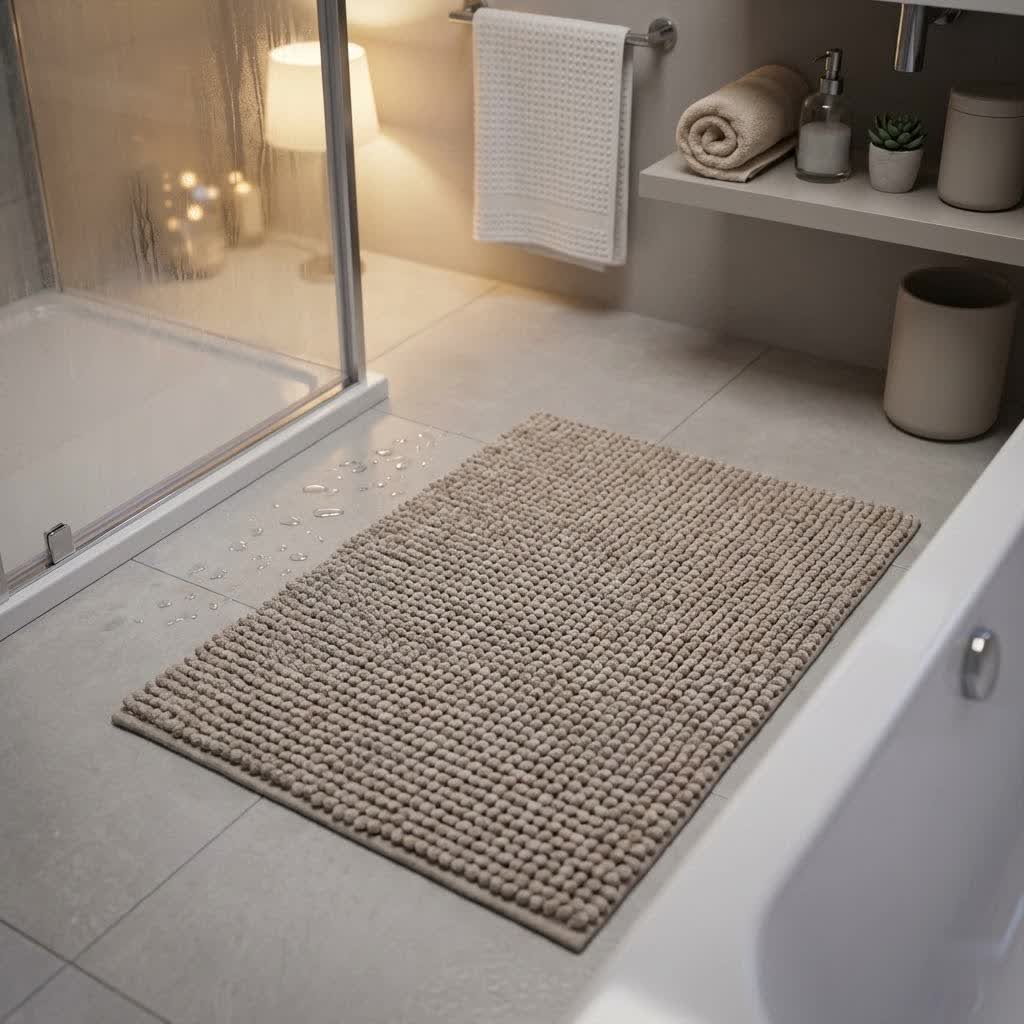
Stepping out of a warm shower onto a cold, wet floor can be jarring, and more importantly, incredibly dangerous. The bathroom, often considered a sanctuary, is actually one of the most hazardous areas in any home. Did you know that hundreds of thousands of individuals seek emergency care annually due to bathroom-related falls, with the majority occurring in or around the tub or shower? A high-quality non-slip bath mat is more than just a decorative accent; it’s a fundamental safety device designed to absorb moisture, prevent dangerous slips, and offer a comfortable, hygienic surface for your feet. Let’s explore everything you need to know to select the ideal non-slip bath mat for your home, transforming your bathroom into a safer, more serene space.
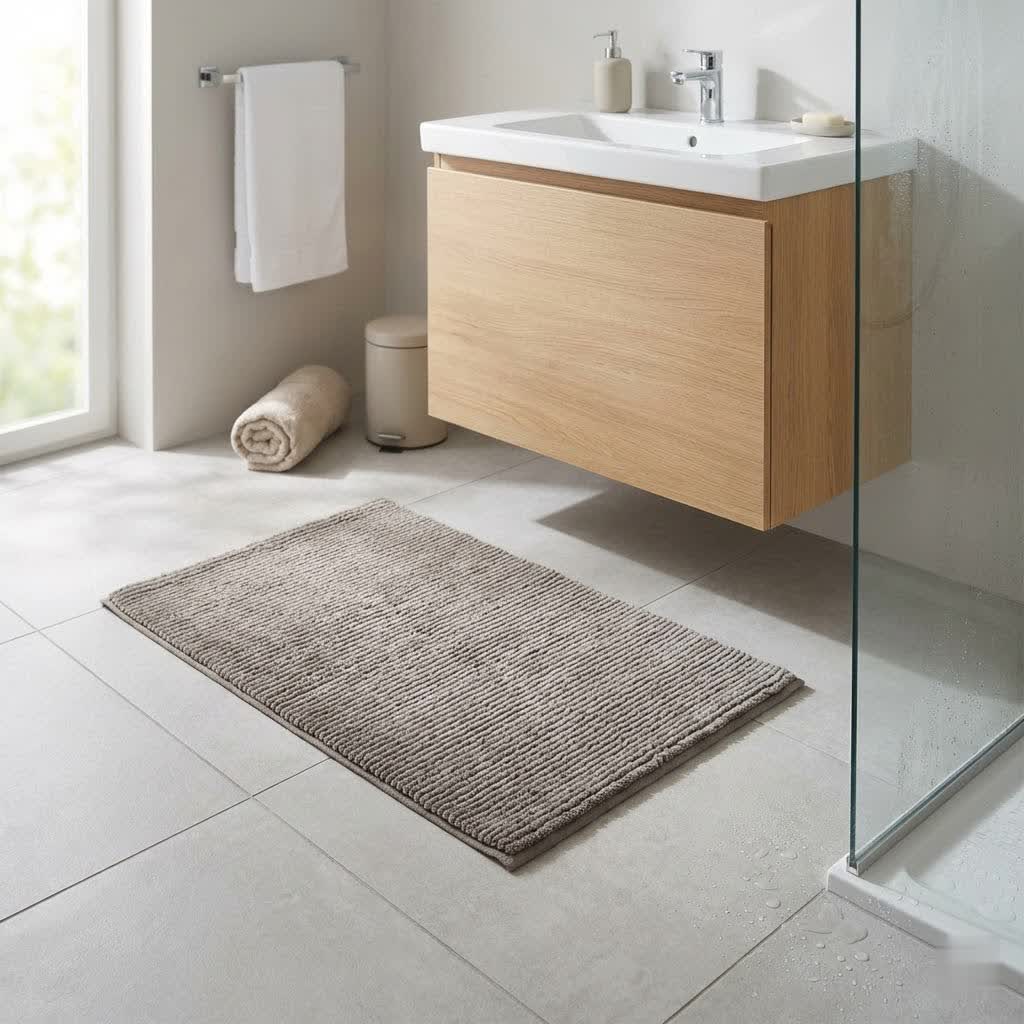
What is a Non-Slip Bath Mat and Why Is It Essential?
A non-slip bath mat is a specialized floor covering engineered with features to prevent it from sliding on wet, smooth bathroom surfaces. Unlike regular rugs, these mats prioritize safety, typically featuring a textured top for foot traction and a secure backing system.
Beyond mere aesthetics, a non-slip bath mat serves several crucial purposes:
- Enhanced Safety: The primary benefit is fall prevention. By providing a stable, grippy surface, especially for children, seniors, or anyone with mobility challenges, it drastically reduces the risk of accidents on wet tiles. Installing a non-slip bath mat can reduce the risk of falls by more than 80%.
- Moisture Management: It effectively absorbs water drips and splashes, keeping your bathroom floor dry and minimizing slip hazards away from the immediate shower or tub area.
- Hygiene: Many mats are designed to resist mold and mildew growth, crucial in humid bathroom environments. Regular cleaning helps prevent bacteria buildup and unpleasant odors.
- Comfort: Stepping onto a soft, warm mat after a bath or shower is far more pleasant than cold, hard tiles. Some mats also offer cushioning for added foot support.
- Floor Protection: By catching water, a bath mat can help protect your bathroom flooring from water damage and staining over time.
- Aesthetics: Available in a vast array of colors, textures, and designs, a bath mat can easily complement your bathroom decor, adding a touch of style and warmth.
Exploring Popular Types of Non-Slip Bath Mats
The material and construction of a non-slip bath mat significantly impact its performance, feel, and durability. Understanding the various types available will help you make an informed choice for your specific needs.
Cotton Bath Mats
Cotton mats are a classic choice, prized for their natural softness and high absorbency.
- Advantages: They offer a plush, comfortable feel underfoot, soak up water quickly, and are typically machine washable for easy care.
- Disadvantages: Cotton dries more slowly than synthetic options, which can make it prone to mildew in poorly ventilated bathrooms if not dried properly. It may also show signs of wear and tear with heavy use over time.
- Best For: Everyday use, comfort-focused individuals, high-traffic bathrooms, or as part of a coordinated towel set.
|
Our Picks for the Best Bath Mat in 2026
We may earn a commission when you use one of our links to make a purchase.
|
||
| Num | Product | Action |
|---|---|---|
| 1 | GORILLA GRIP Bath Rug Mat, Thick Soft Absorbent Chenille, Quick Dry Microfiber Mats, Rubber Backing Washable Shower Floor Rugs, US Designed Bathroom Bathmat Home Decor Accessories, 24x17, Grey |

|
| 2 | OLANLY Bathroom Rugs 30x20, Extra Soft Absorbent Chenille Bath Rugs, Rubber Backing Quick Dry, Machine Washable Bath Mats for Bathroom Floor, Tub and Shower, Home Decor Accessories, Grey |
|
| 3 | OLANLY Bathroom Rugs 30x20, Extra Soft Absorbent Chenille Bath Rugs, Rubber Backing Quick Dry, Machine Washable Bath Mats for Bathroom Floor, Tub and Shower, Home Decor Accessories, Beige |
|
| 4 | Amazon Basics Fast Drying Cotton Washcloths for Bathroom, Machine Washable, Soft and Highly Absorbent, 12 x 12 in, White, 24-Pack |
|
| 5 | OLANLY Black Bathroom Rug 30x20, Extra Soft Absorbent Chenille Bath Rugs, Rubber Backing Quick Dry, Machine Washable Bath Mats for Bathroom Floor, Tub and Shower, Home Decor Accessories |
|
| 6 | OLANLY Bathroom Rugs 30x20, Extra Soft Absorbent Chenille Bath Rugs, Rubber Backing Quick Dry, Machine Washable Bath Mats for Bathroom Floor, Tub and Shower, Home Decor Accessories, Navy |
|
| 7 | Amazon basics cotton washcloths, Lightweight quick-dry, 12" x 12", 12-pack, white |
|
| 8 | Amazon Basics Premium 100% Cotton, Absorbent Soft Bath Mat, Machine Washable, 684 GSM, White, 30" x 20" Hotel Spa Shower/Bathtub Mats, Pack of 6 |
|
| 9 | OLANLY Bathroom Rugs 30x20, Extra Soft Absorbent Chenille Bath Rugs, Rubber Backing Quick Dry, Machine Washable Bath Mats for Bathroom Floor, Tub and Shower, Home Decor Accessories, Light Grey |
|
| 10 | OLANLY Bathroom Rugs 30x20, Extra Soft Absorbent Chenille Bath Rugs, Rubber Backing Quick Dry, Machine Washable Bath Mats for Bathroom Floor, Tub and Shower, Home Decor Accessories, Sage Green |
|
Microfiber Bath Mats
Made from ultra-fine synthetic fibers, microfiber mats are a popular modern alternative.
- Advantages: They are exceptionally quick-drying, wicking moisture away from your feet efficiently. Microfiber mats are smooth, lightweight, often come with non-slip backings, and are generally machine washable and low-maintenance. They excel in humid environments.
- Disadvantages: While soft, they might not offer the same plushness as some high-pile cotton mats. They can also attract dust more readily.
- Best For: Humid climates, busy households needing fast drying times, kids’ bathrooms, or dorms.
Bamboo Bath Mats
For a spa-like, minimalist aesthetic, bamboo mats offer a unique experience.
- Advantages: These mats do not absorb water; instead, moisture quickly evaporates from their natural wood slat surface, making them highly resistant to mold and mildew. Bamboo is durable, eco-friendly, and naturally antibacterial.
- Disadvantages: They provide a firm, sleek surface rather than a cushioned feel, which might not appeal to everyone. While mold-resistant, proper air circulation is still important to ensure quick drying.
- Best For: Eco-conscious homes, modern or spa-inspired bathrooms, humid areas where fabric mats struggle, and placement just outside the shower or tub.
Rubber/PVC Bath Mats
When absolute slip prevention is the top priority, rubber or PVC mats are engineered for maximum grip.
- Advantages: These mats are waterproof, highly durable, and designed with strong suction cups or textured grips on the underside to stay securely in place, even in wet conditions. They are easy to clean with a simple rinse or scrub.
- Disadvantages: They do not absorb water, so puddles may form on top. They are generally less decorative and breathable than fabric mats.
- Best For: In-shower or in-tub use, commercial settings, bathrooms with very smooth or slippery floors, and homes with seniors or individuals with significant mobility concerns.
Memory Foam Bath Mats
For luxurious comfort, memory foam mats offer exceptional cushioning.
- Advantages: They conform to the shape of your feet, providing warmth, excellent support, and a truly spa-like experience. Most come with a microfiber top layer and an anti-slip backing.
- Disadvantages: Memory foam is typically less absorbent than cotton or chenille and takes longer to dry. They usually require gentle washing and air drying to maintain their shape and integrity.
- Best For: Master bathrooms, individuals with foot or joint discomfort, or anyone seeking a plush, soft surface after bathing.
Chenille Bath Mats
Chenille mats are celebrated for their distinctive shaggy texture and luxurious feel.
- Advantages: They are exceptionally soft and plush, adding a cozy and decorative element to any bathroom. Chenille is highly absorbent and generally dries faster than dense cotton, often featuring an anti-slip backing.
- Disadvantages: The thick pile can be more challenging to clean thoroughly, potentially requiring more frequent washing. Heavy use or improper care can cause the fibers to flatten over time.
- Best For: Adding warmth and comfort, decorative bathrooms, or those who prioritize a soft, inviting texture.
Polyester Bath Mats
Polyester mats offer a practical and budget-friendly option for various bathroom needs.
- Advantages: They are lightweight, fast-drying, and available in a wide array of colors and patterns. Many are machine washable, include anti-slip backings, and are treated to resist moisture and odors.
- Disadvantages: Polyester can feel less soft underfoot compared to natural fibers or microfiber, and it may show wear faster with continuous heavy use.
- Best For: Guest bathrooms, temporary setups, or budget-conscious shoppers looking for functionality and quick drying.
Comparative Overview of Bath Mat Materials
To help you quickly compare options, here’s a snapshot of the most common non-slip bath mat materials:
| Type of Mat | Pros | Cons | Durability | Absorbency | Price Range |
|---|---|---|---|---|---|
| Cotton | Soft, natural, highly absorbent | Slow drying, prone to mildew | Moderate | Very Good | Low-Mid |
| Microfiber | Super absorbent, quick-drying, soft | Can attract lint/dust | High | Excellent | Mid |
| Bamboo | Naturally anti-bacterial, fast drying, eco-friendly | Hard surface, not cushioned | Very High | Poor (evaporates) | High |
| Rubber/PVC | Excellent anti-slip, waterproof, durable | No absorbency, less aesthetic | Very High | None | Low-Mid |
| Memory Foam | Plush, comfortable, supportive | Slow drying, specialized cleaning | High (with care) | Good | Mid-High |
| Chenille | Soft, cozy, absorbent, decorative | Can be harder to deep clean | Moderate | Very Good | Mid |
| Polyester | Fast-drying, affordable, wide variety | Less soft, can wear faster | Moderate | Good | Low |
Essential Factors When Choosing a Non-Slip Bath Mat
Selecting the perfect non-slip bath mat involves considering several key elements to ensure it meets your specific safety, comfort, and aesthetic requirements.
Material
As detailed above, the material dictates many of the mat’s core properties, including its absorbency, drying time, and feel. Prioritize materials like rubber or PVC for in-shower safety, microfiber for quick-drying needs, or memory foam for luxurious comfort.
Size and Shape
Measure your bathroom space accurately, especially the area directly outside or inside your shower/tub. Standard mats are typically 39×16 or 40×16 inches, but extra-long mats are available for larger tubs, and square options are ideal for shower stalls. Ensure the mat covers the primary standing area without obstructing door swings or causing a tripping hazard. For unique bathroom layouts, custom sizes can offer better coverage.
Absorbency and Drying Speed
These factors are critical for both hygiene and safety. Highly absorbent materials like cotton, microfiber, and chenille quickly soak up water, preventing puddles. However, for humid bathrooms, fast-drying materials like microfiber, polyester, or bamboo (where water evaporates rather than absorbs) are preferable to prevent mold and mildew. Look for drainage holes in in-tub mats to facilitate water flow.
Safety Features
This is the cornerstone of a non-slip bath mat.
- Grip Technology: Look for strong suction cups on the underside for smooth surfaces like glazed tile or fiberglass. For textured or uneven flooring, a mat with a robust latex grip backing may be more effective.
- Surface Texture: The top surface should have a non-abrasive texture (pebbles, ridges, woven patterns) to provide friction for your feet, even when wet or soapy. This texture also helps channel water away.
- Drainage: For mats used inside the shower or tub, sufficient drainage holes are essential to prevent water pooling and ensure consistent grip.
Durability
A good non-slip bath mat should withstand regular use and cleaning without losing its integrity. Materials like rubber, PVC, and bamboo are known for their longevity. For fabric mats, look for high-quality weaves and sturdy anti-slip backings that resist peeling or flaking over time.
Ease of Cleaning
Frequent cleaning is vital for bathroom hygiene. Many modern non-slip mats are machine washable (cotton, microfiber, polyester, some rubber/PVC options), offering great convenience. Always check the care label, as memory foam and some bamboo mats may require hand washing or air drying to maintain their structure. Antimicrobial treatments can also reduce the frequency of deep cleaning.
Color and Design
While functionality is key, the mat’s appearance matters. Choose a color and design that complements your bathroom’s decor, whether you prefer a neutral tone, a vibrant pop of color, or a specific pattern like pebbles or geometric shapes. A well-chosen mat enhances the overall aesthetic.
Brand Reputation
While not explicitly recommending brands, researching manufacturers known for quality and safety features can be beneficial. Reviews often highlight how well a mat holds up over time, its true non-slip performance, and ease of maintenance.
Understanding Non-Slip Bath Mat Price Ranges
The cost of a non-slip bath mat can vary significantly based on material, size, features, and brand.
- Budget-Friendly ($5 – $20): This category often includes basic PVC or simple polyester mats. They offer fundamental non-slip features and absorbency but may be less plush or durable.
- Mid-Range ($20 – $50): Here you’ll find higher-quality microfiber, cotton, and some rubber mats. These typically offer better absorbency, more robust non-slip backings, and a wider array of designs.
- Premium/High-End ($50+): Mats in this range often feature memory foam, organic cotton, bamboo, or advanced quick-drying and antimicrobial technologies. They tend to prioritize luxurious comfort, superior durability, and sophisticated design.
Features Found in Highly-Rated Non-Slip Bath Mats
Instead of specific models, focus on these characteristics commonly found in top-performing non-slip bath mats:
- Superior Grip: Mats with 200 or more strong suction cups underneath consistently receive high marks for their unwavering grip on smooth surfaces.
- Effective Drainage: For in-tub or in-shower mats, ample drainage holes prevent water pooling and soap scum buildup, maintaining the mat’s non-slip efficacy.
- Antimicrobial Properties: Features that resist mold and mildew growth are crucial for hygiene and longevity, especially in frequently used bathrooms.
- Machine Washability: The convenience of being able to toss a mat into the washing machine significantly improves its long-term hygiene and usability.
- Comfortable Texture: While ensuring safety, a good non-slip mat should also feel pleasant underfoot, whether plush and soft or textured for massage.
- Optimal Coverage: Extra-long options are often preferred to ensure comprehensive coverage of the tub or shower floor, enhancing safety for all users.
Cleaning and Maintaining Your Non-Slip Bath Mat
Regular cleaning and proper maintenance are essential to preserve the non-slip qualities, hygiene, and lifespan of your bath mat.
Daily Care
- Rinse and Hang: After each use, rinse off any soap residue and hang your bath mat over a shower rod, bathtub edge, or towel rack. This allows for optimal air circulation, promoting quick drying and preventing mildew.
Weekly Cleaning (for Machine Washable Mats)
- Prepare: Shake the mat outdoors to remove loose dirt, hair, and debris. Treat any visible stains with a gentle stain remover.
- Machine Wash: Place the mat in your washing machine on a gentle cycle using cool or warm water and a mild laundry detergent. It’s often recommended to wash bath mats with a couple of towels to balance the load.
- Caution with Bleach: While some sources suggest diluted bleach for rubber mats, many experts advise avoiding chlorine bleach or vinegar directly on rubber backings for machine washing, as they can degrade the material over time. Check your mat’s care label. Oxygenated bleach may be a safer alternative for tougher stains.
- Dry Properly: Remove the mat immediately after the wash cycle. Line drying or air drying is generally best to protect the non-slip backing. If using a dryer, opt for a low-heat or air-fluff setting, but air drying is often preferred to prevent damage to the backing. Avoid direct sunlight which can cause fading or cracking.
Deep Cleaning (for Hand Wash or Stubborn Issues)
- Initial Rinse: Rinse the mat under a showerhead or faucet to remove surface grime.
- Soak: Fill a tub or large basin with warm, soapy water (mild dish soap or laundry detergent) and let the mat soak for 15-30 minutes. For stubborn soap scum or stains, a paste of baking soda and water can act as a gentle abrasive.
- Scrub: Use a soft brush or sponge to gently scrub both the top surface and the underside, paying close attention to textured areas and suction cups.
- Rinse Thoroughly: Rinse the mat completely with warm water to remove all soap residue, which can attract dirt and cause future odors.
- Disinfect (Optional): To naturally disinfect and combat mold, spray or wipe the mat with a solution of equal parts white vinegar and water. Let it sit for about 10 minutes before rinsing thoroughly again. Vinegar is generally safe for rubber and effectively kills germs and mold without harsh chemicals.
- Dry: Hang the mat to air dry completely, ensuring proper air circulation around all sides.
Maintaining the Non-Slip Backing
The grippy backing is critical for safety. Regularly inspect it for signs of wear such as peeling, cracking, or loss of suction. If you notice buildup on suction cups, gently scrub them with soapy water. For slight loss of stickiness, wiping the clean, dry non-slip side with rubbing alcohol (testing a small area first) can sometimes rejuvenate it. Always ensure the floor beneath the mat is clean and dry for optimal grip.
“A good bath mat isn’t just about preventing falls; it’s about extending that moment of calm and comfort from your shower into your entire bathroom experience. It’s an investment in both safety and well-being.” – Emma Carter, Home Safety and Design Consultant
Conclusion
Choosing the right non-slip bath mat is a small but significant step towards creating a safer, more comfortable, and hygienic bathroom environment. By carefully considering the material, size, absorbency, crucial non-slip features, and ease of maintenance, you can find a mat that perfectly aligns with your lifestyle and decor. From plush memory foam to quick-drying microfiber or sleek bamboo, there’s a non-slip solution for every preference, ensuring peace of mind with every step out of the shower.
Ready to make your bathroom safer and more inviting? Which feature will you prioritize in your next non-slip bath mat?
Frequently Asked Questions
Can I machine wash my non-slip bath mat?
Many non-slip bath mats, particularly those made from cotton, microfiber, or polyester, are machine washable. However, it’s crucial to always check the manufacturer’s care label. Mats with rubber backings may require a gentle, cool cycle to prevent damage, and some materials like memory foam often need hand washing and air drying.
How often should I clean my bath mat?
Ideally, you should rinse and hang your bath mat to dry after each use to prevent mildew. A deep clean (machine or hand wash) is recommended at least once a week for busy family bathrooms, bi-weekly for less frequent use, and at least monthly for all others.
What’s the best way to get rid of mold on my bath mat?
For mold on a bath mat, a soak in a solution of equal parts white vinegar and warm water for about 10-15 minutes, followed by a thorough scrub with a soft brush and rinse, is often very effective. Ensure the mat dries completely in a well-ventilated area afterward.
Why does my bath mat smell bad even after washing?
A persistent odor usually indicates trapped moisture or leftover soap scum within the mat’s fibers or backing. Ensure the mat is thoroughly rinsed of all soap and dried completely, with good air circulation, after every use and wash. Using a vinegar solution for disinfection can also help eliminate odor-causing bacteria.
Are natural cleaning products safe for the non-slip backing?
Yes, natural cleaning agents like white vinegar and baking soda are generally safe and highly effective for cleaning non-slip bath mats. They are less likely to degrade rubber backings compared to harsh chemical bleaches, which can compromise the mat’s anti-slip properties over time.