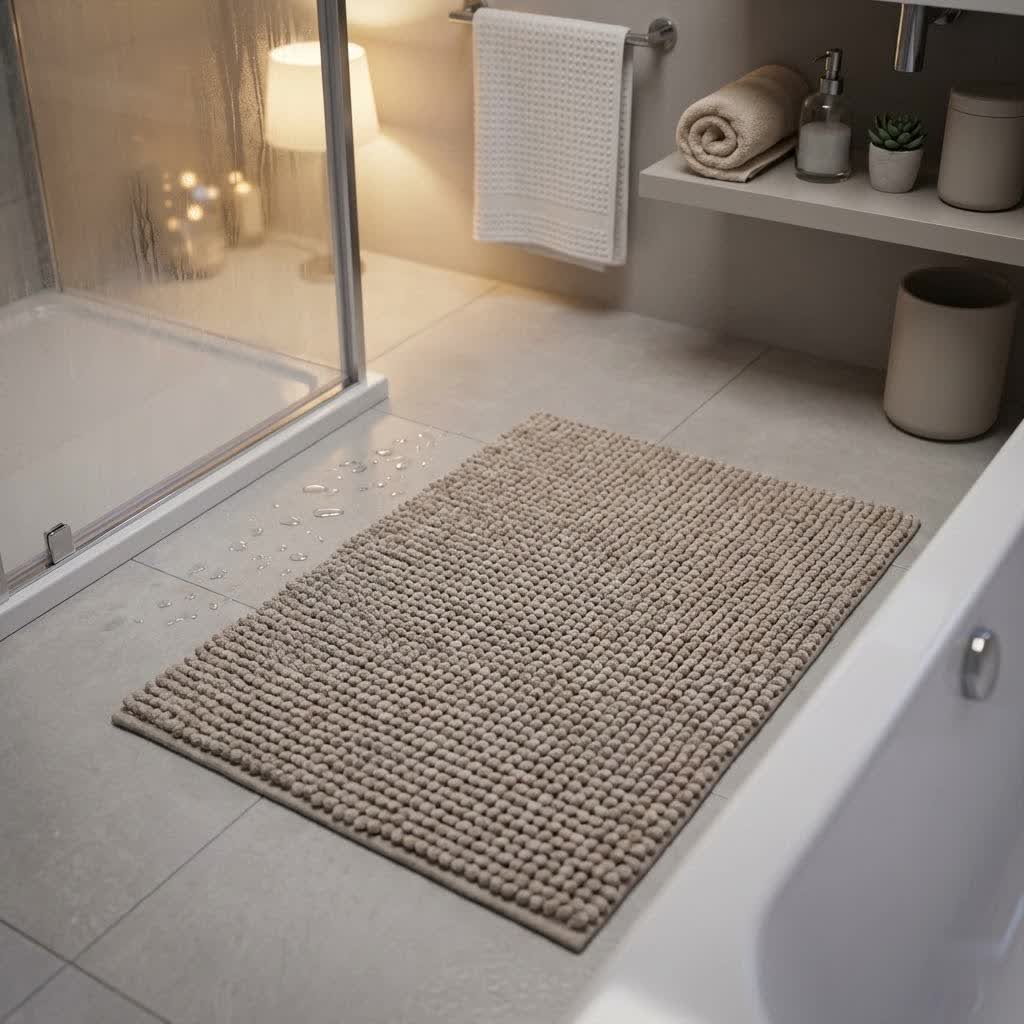
Stepping out of a warm shower and onto a soft, absorbent bath mat is one of life’s simple pleasures. But for those with compact bathrooms, tight doorways, or a preference for minimalist design, a traditional bulky bath mat can be more of a hindrance than a luxury. This is where the Skinny Bath Mat comes in—a sleek, functional solution designed to offer all the benefits of a conventional mat without consuming valuable space or impeding movement. Whether you’re battling a cramped layout or simply seeking a more streamlined aesthetic, understanding the nuances of these slender essentials is key to finding your perfect match.
What is a Skinny Bath Mat and Why Do You Need One?
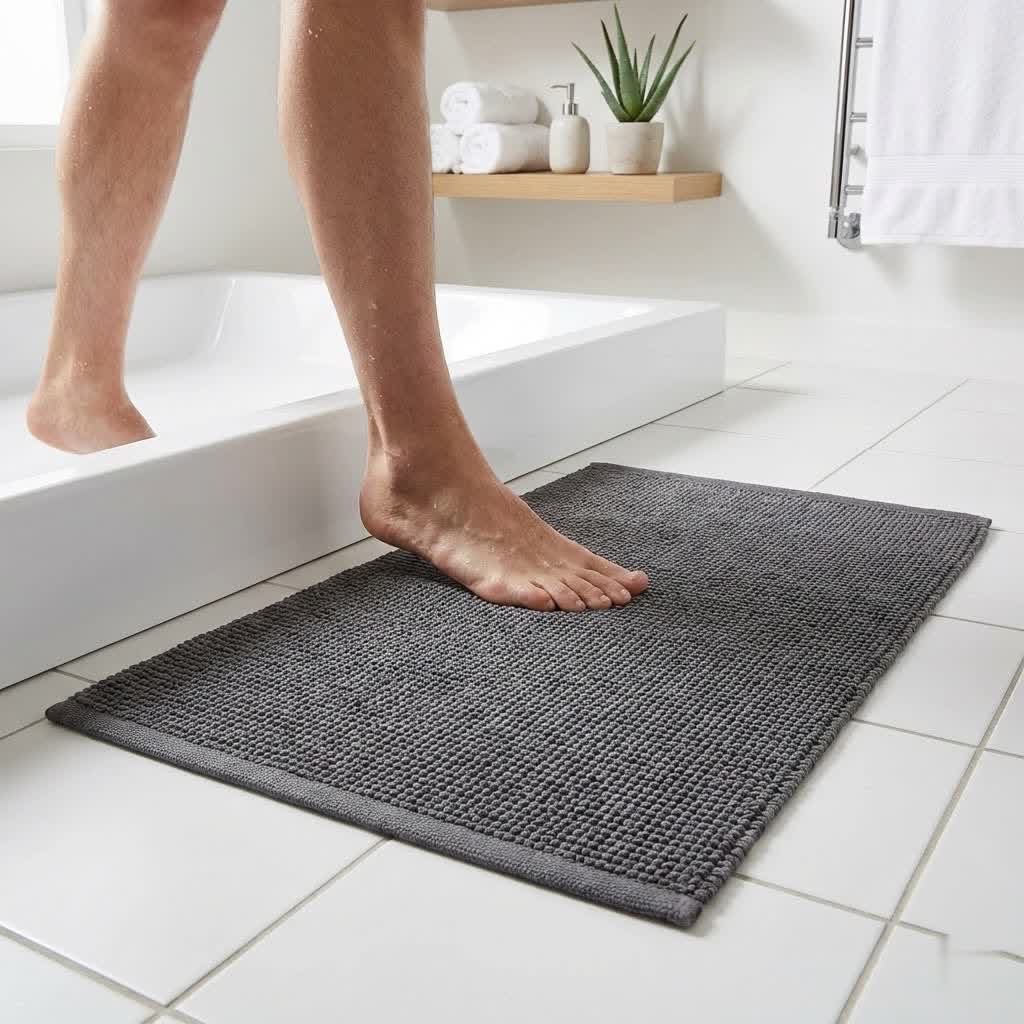
A skinny bath mat, as its name suggests, is a bath mat characterized by either a narrow width or a thin, low-profile design. Unlike plush, oversized bath rugs, these mats are specifically crafted to fit into tight spaces, clear under-door gaps, and offer quick-drying properties. Their primary purpose extends beyond mere absorbency; they are vital for enhancing safety, maintaining hygiene, and improving the aesthetic flow in smaller or highly trafficked bathrooms.
The need for a skinny bath mat often arises from practical considerations. In older homes or modern apartments with compact bathroom layouts, a standard mat can obstruct doors, create tripping hazards, or simply overwhelm the limited floor space. Furthermore, their thin construction often translates to faster drying times, which is a significant advantage in humid bathroom environments, helping to prevent mildew and unpleasant odors. They offer a discreet yet effective way to protect your floors from water, provide a soft landing for your feet, and add a touch of style without clutter.
Popular Types of Skinny Bath Mats
Skinny bath mats come in various materials, each offering unique advantages tailored to specific needs and preferences. From natural fibers to advanced synthetics, selecting the right material is crucial for performance and longevity.
Cotton Bath Mats
Cotton is a natural fiber renowned for its exceptional softness and high absorbency. Thin cotton bath mats are often designed like small towels, making them easy to fold, wash, and dry. They provide a comfortable, luxurious feel underfoot and are a classic choice for many bathrooms.
- Pros: Soft, highly absorbent, natural material, machine washable.
- Cons: Can take longer to dry than synthetic alternatives, potentially prone to mildew if not dried properly.
- Best for: Those who prioritize natural fibers, softness, and don’t mind a slightly longer drying time, or who can easily hang them to dry.
|
Our Picks for the Best Bath Mat in 2026
We may earn a commission when you use one of our links to make a purchase.
|
||
| Num | Product | Action |
|---|---|---|
| 1 | OLANLY Bathroom Rugs 30x20, Extra Soft Absorbent Chenille Bath Rugs, Rubber Backing Quick Dry, Machine Washable Bath Mats for Bathroom Floor, Tub and Shower, Home Decor Accessories, Navy |

|
| 2 | GORILLA GRIP Bath Rug Mat, Thick Soft Absorbent Chenille, Quick Dry Microfiber Mats, Rubber Backing Washable Shower Floor Rugs, US Designed Bathroom Bathmat Home Decor Accessories, 24x17, Grey |
|
| 3 | OLANLY Bathroom Rugs 30x20, Extra Soft Absorbent Chenille Bath Rugs, Rubber Backing Quick Dry, Machine Washable Bath Mats for Bathroom Floor, Tub and Shower, Home Decor Accessories, Grey |
|
| 4 | Amazon Basics Fast Drying Cotton Washcloths for Bathroom, Machine Washable, Soft and Highly Absorbent, 12 x 12 in, White, 24-Pack |
|
| 5 | OLANLY Black Bathroom Rug 30x20, Extra Soft Absorbent Chenille Bath Rugs, Rubber Backing Quick Dry, Machine Washable Bath Mats for Bathroom Floor, Tub and Shower, Home Decor Accessories |
|
| 6 | Amazon Basics Premium 100% Cotton, Absorbent Soft Bath Mat, Machine Washable, 684 GSM, White, 30" x 20" Hotel Spa Shower/Bathtub Mats, Pack of 6 |
|
| 7 | OLANLY Bathroom Rugs 30x20, Extra Soft Absorbent Chenille Bath Rugs, Rubber Backing Quick Dry, Machine Washable Bath Mats for Bathroom Floor, Tub and Shower, Home Decor Accessories, Light Grey |
|
| 8 | Amazon basics cotton washcloths, Lightweight quick-dry, 12" x 12", 12-pack, white |
|
| 9 | OLANLY Bathroom Rugs 30x20, Extra Soft Absorbent Chenille Bath Rugs, Rubber Backing Quick Dry, Machine Washable Bath Mats for Bathroom Floor, Tub and Shower, Home Decor Accessories, Beige |
|
| 10 | OLANLY Bathroom Rugs 30x20, Extra Soft Absorbent Chenille Bath Rugs, Rubber Backing Quick Dry, Machine Washable Bath Mats for Bathroom Floor, Tub and Shower, Home Decor Accessories, Sage Green |
|
Microfiber Bath Mats
Microfiber is a synthetic material known for its incredibly fine fibers, which result in superior absorbency and quick-drying capabilities. Thin microfiber mats are excellent for busy bathrooms or humid climates where fast moisture evaporation is essential.
- Pros: Super absorbent, exceptionally quick-drying, often very soft and plush despite being thin, easy to clean.
- Cons: Can sometimes attract lint or pet hair, synthetic feel might not appeal to everyone.
- Best for: Humid environments, high-traffic bathrooms, and users who prioritize quick drying and easy maintenance.
Bamboo Bath Mats
Bamboo bath mats are a unique option, offering a spa-like aesthetic and natural resistance to mold and mildew. These mats are typically slatted or woven, providing a firm, non-absorbent surface that allows water to drain away quickly.
- Pros: Naturally antimicrobial and mildew-resistant, environmentally friendly, elegant and modern appearance, quick-drying (surface dries instantly).
- Cons: Not soft or plush, can be harder underfoot, doesn’t absorb water directly but allows it to evaporate.
- Best for: Those seeking a minimalist, spa-like bathroom, or a highly durable and hygienic option that doesn’t require frequent washing.
Rubber/PVC Bath Mats
Often used inside showers or tubs, thin rubber or PVC mats are primarily focused on non-slip safety. They typically feature suction cups on the underside to adhere firmly to surfaces, providing excellent grip. While some may have textured surfaces for comfort, their main function is preventing slips, not absorbing water.
- Pros: Excellent non-slip properties, very durable, easy to wipe clean, highly resistant to mold and mildew.
- Cons: Do not absorb water, can feel less comfortable than fabric mats, may have a “plastic” aesthetic.
- Best for: Maximizing safety in the shower or tub, or as a base layer for other mats where anti-slip is paramount.
Stone (Diatomaceous Earth) Bath Mats
Stone bath mats, typically made from diatomaceous earth, are a relatively new innovation. These rigid, porous mats instantly absorb water from your feet, drying almost immediately and preventing moisture buildup. They offer a unique, minimalist look and exceptional hygiene.
- Pros: Lightning-fast drying, naturally antimicrobial, resistant to mold and bacteria, minimalist aesthetic, extremely durable.
- Cons: Hard and not soft underfoot, can be heavier than fabric mats, may require occasional light sanding to maintain absorbency.
- Best for: Modern, minimalist bathrooms, individuals prioritizing hygiene, quick drying, and a unique sensory experience.
Comparison Table: Types of Skinny Bath Mats
| Type of Mat | Pros | Cons | Durability | Absorbency | Price Range |
|---|---|---|---|---|---|
| Cotton | Soft, natural, highly absorbent, machine washable | Slow to dry, can harbor moisture | Medium | Very Good | Low-Medium |
| Microfiber | Super absorbent, very fast-drying, soft | Can attract lint, synthetic feel | High | Excellent | Medium |
| Bamboo | Mildew-resistant, elegant, quick-drying (surface) | Not soft, doesn’t absorb water | High | Low (drains) | Medium-High |
| Rubber/PVC | Excellent non-slip, durable, easy to clean | No absorbency, less comfortable | Very High | None | Low |
| Stone | Instant dry, antimicrobial, stylish, low maintenance | Not soft, can be heavy, rigid | High | Excellent (absorbs instantly) | Medium-High |
Factors to Consider When Buying a Skinny Bath Mat (Buying Guide)
Choosing the ideal skinny bath mat involves more than just picking a color. The right mat integrates seamlessly into your bathroom, offering both functionality and style. Here are the key factors to consider:
Material
The material is paramount as it dictates absorbency, drying time, feel, and maintenance. For maximum absorbency and softness in a thin profile, cotton or microfiber are excellent. If quick drying and mold resistance are top priorities, particularly in small, poorly ventilated bathrooms, bamboo, stone, or thin synthetic blends are superior choices. Consider your personal preference for softness versus a firm, spa-like feel.
Size
This is a critical factor for skinny bath mats. Measure the exact space where the mat will sit, paying close attention to the width. If it’s for a narrow gap between a vanity and a shower, or in front of a toilet, a truly “skinny” (narrow) mat is essential. If it needs to fit under a door, a “thin” (low-profile) mat is the key. Always measure door clearances to ensure the mat won’t snag or bunch up.
Absorbency
While all bath mats absorb water to some degree (except pure rubber/PVC), the efficiency of absorption varies. Microfiber and cotton are highly absorbent, soaking up significant amounts of water. Stone mats absorb instantly into their porous structure. Consider how much water typically drips off you and whether you prefer a mat that soaks it all up or one that quickly sheds it.
Safety (Non-Slip Backing)
A bath mat without a non-slip backing is a hazard, especially in a wet environment. Look for mats with rubber, silicone, or latex backing to ensure they stay firmly in place on tiled or slick bathroom floors. This is a non-negotiable feature for preventing slips and falls.
Durability
A good bath mat should withstand frequent use and washing. High-quality cotton, dense microfiber, and solid materials like bamboo or stone tend to be very durable. Check for reinforced edges and sturdy construction to ensure your mat lasts for years, maintaining its appearance and function.
Ease of Cleaning
Nobody wants a high-maintenance bath mat. Most fabric skinny mats are machine washable, which is a major convenience. Stone and bamboo mats typically only require wiping down or occasional light cleaning. Always check the manufacturer’s care instructions to ensure the mat fits your laundry routine.
Color and Design
Even in a small space, your bath mat can contribute to the overall bathroom aesthetic. Choose colors and patterns that complement your existing decor. A minimalist, solid-colored skinny mat can make a small bathroom feel larger and more serene, while a subtle pattern can add visual interest without overwhelming the space.
Brand Reputation
While not explicitly covered in the search, choosing a reputable brand often correlates with higher quality materials, better construction, and reliable customer service. Look for brands known for their home textiles or specific bath products.
> “A well-chosen skinny bath mat doesn’t just prevent slips; it’s a silent guardian of your bathroom’s style and functionality, proving that even the smallest details can make a big impact.”
Price Ranges for Skinny Bath Mats
Skinny bath mats, like their bulkier counterparts, span a range of price points, primarily influenced by material, brand, and design complexity.
- Budget-Friendly (Under $15): This segment often includes basic cotton or thinner microfiber mats. While they offer essential absorbency and functionality, they might be less plush, smaller, or have simpler non-slip backings. They are a good starting point for guest bathrooms or temporary solutions.
- Mid-Range ($15 – $40): Here, you’ll find higher-quality cotton and microfiber options with better construction, more effective non-slip features, and a wider variety of colors and patterns. Some entry-level bamboo or thinner memory foam mats might also fall into this category, offering a good balance of performance and value.
- Premium ($40+): This tier features luxurious materials like organic cotton, high-density microfiber with advanced quick-drying technology, sophisticated bamboo designs, and high-performance stone mats. These mats often boast superior durability, enhanced comfort, and designer aesthetics, making them an investment in long-term satisfaction and bathroom elegance.
Top Picks: Popular Skinny Bath Mats
While specific product recommendations are subject to change, here are examples of popular skinny bath mat types based on the research, highlighting features that make them excellent choices for compact spaces.
-
Quick-Dry Microfiber Low-Profile Mat: Ideal for under-door clearances, this mat uses advanced microfiber technology to absorb water rapidly and dry exceptionally fast. Its thin profile ensures doors glide over it smoothly, while a strong non-slip backing keeps it securely in place.
- Pros: Dries almost instantly, excellent for door clearance, soft, good absorbency.
- Cons: Synthetic feel, may need frequent shaking or vacuuming if in a high-traffic area.
- Best for: Bathrooms with minimal door clearance or high humidity.
-
Narrow Cotton Spa Mat: This mat combines the classic comfort of cotton with a slim, elongated design. Perfect for narrow hallways within the bathroom or between a toilet and a shower, it offers a plush feel without bulk.
- Pros: Soft and natural, good absorbency, traditional aesthetic.
- Cons: Dries slower than microfiber or stone, may curl at edges if not well-made.
- Best for: Adding comfort to narrow sections of the bathroom, traditional decor.
-
Diatomaceous Earth Stone Bath Mat: A truly skinny option in terms of profile, this rigid mat offers revolutionary instant-dry technology. Its sleek, modern design fits seamlessly into contemporary bathrooms, providing a hygienic and mold-resistant surface.
- Pros: Dries instantly, naturally antimicrobial, very durable, minimalist look.
- Cons: Not soft, rigid underfoot, heavier than fabric mats.
- Best for: Ultra-modern bathrooms, allergy sufferers, those prioritizing hygiene and rapid drying.
Tips for Cleaning and Maintaining Your Skinny Bath Mat
Proper care extends the life and maintains the hygiene of your skinny bath mat.
- Regular Shaking/Vacuuming: For fabric mats, shake them out daily or vacuum regularly to remove loose dirt, hair, and dust.
- Washing Fabric Mats:
- Machine Wash: Most cotton and microfiber mats are machine washable. Use cold water and a gentle cycle with a mild detergent. Avoid bleach, which can damage fibers and backing.
- Drying: Tumble dry on low heat or, ideally, hang to air dry. High heat can degrade rubber backings over time. Ensure the mat is completely dry before returning it to the bathroom to prevent mildew.
- Cleaning Bamboo Mats: Wipe bamboo mats with a damp cloth and mild soap. Allow them to air dry completely, preferably in a well-ventilated area, to prevent water spots or mildew.
- Maintaining Stone Mats: For diatomaceous earth mats, simply wipe them down with a damp cloth when needed. If absorbency diminishes over time, light sanding with fine-grit sandpaper can restore their porous surface. Avoid harsh chemicals.
- Addressing Odors and Mildew: If fabric mats develop a musty smell, wash them with a cup of white vinegar in the rinse cycle. Ensure thorough drying. For bamboo and stone mats, their natural properties generally prevent such issues.
Frequently Asked Questions
What makes a bath mat “skinny”?
A bath mat is considered “skinny” if it is either narrow in width, designed to fit into tight spaces, or very thin/low-profile, allowing it to clear under doorways without obstruction.
Can skinny bath mats be as absorbent as thicker ones?
Yes, many skinny bath mats, particularly those made from high-quality microfiber or certain types of cotton and stone, are engineered to be highly absorbent despite their thin profile. The absorbency depends more on the material’s properties and weave than its bulk.
Are skinny bath mats prone to slipping?
Not necessarily. While their lighter weight might suggest less grip, quality skinny bath mats are designed with effective non-slip backings made of rubber, silicone, or latex to ensure they stay securely in place on the bathroom floor.
How often should I wash a skinny bath mat?
For optimal hygiene, it’s recommended to wash fabric skinny bath mats at least once a week, especially in high-traffic bathrooms. Stone or bamboo mats require less frequent cleaning, typically a wipe-down or occasional deep clean.
Can I use a skinny bath mat in a larger bathroom?
Absolutely! While ideal for compact spaces, skinny bath mats can also be a stylish choice for larger bathrooms, contributing to a minimalist aesthetic or serving as an accent in specific areas like in front of a double vanity.
What are the main benefits of choosing a skinny bath mat over a regular one?
The main benefits include space-saving design, clearance under doors, faster drying times due to thinner materials, and often a more streamlined, modern aesthetic that prevents clutter in the bathroom.