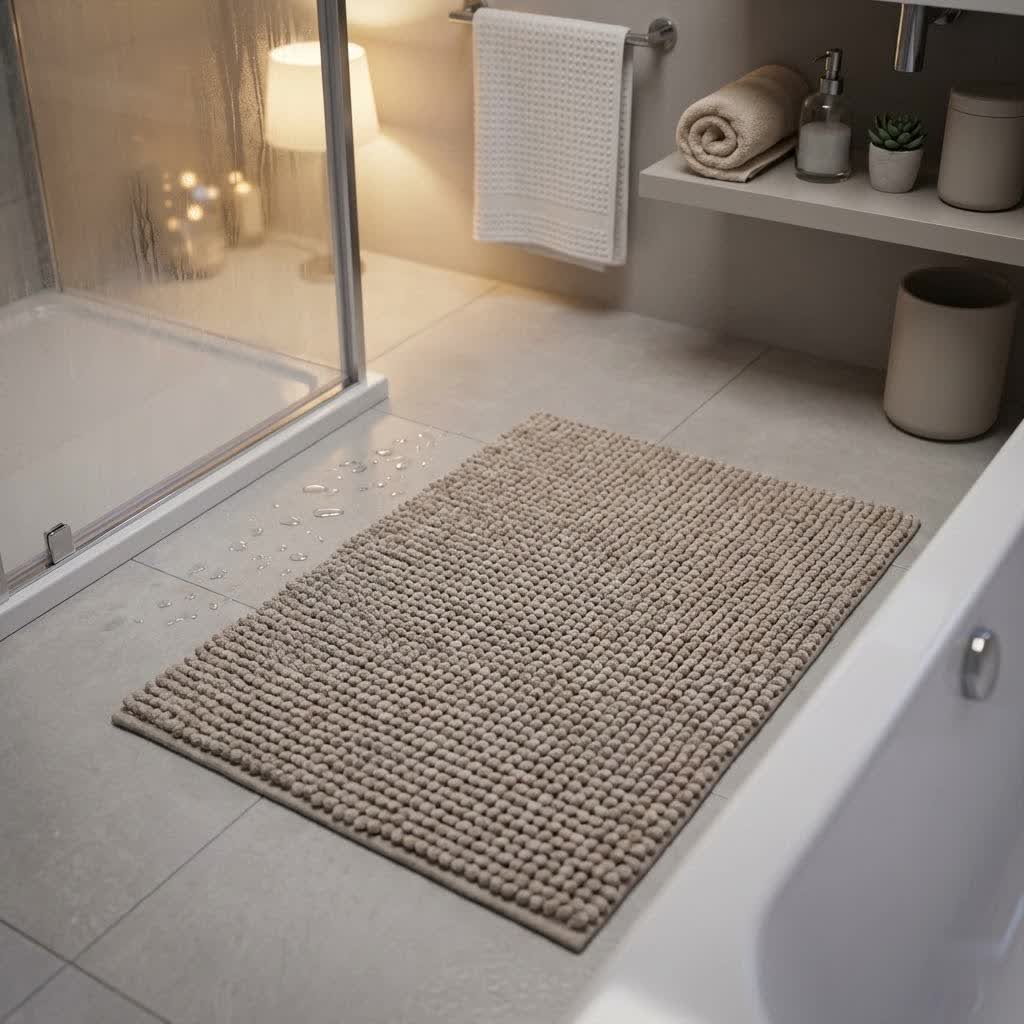
Stepping out of a refreshing shower should be a moment of pure comfort, not a soggy, slippery dance on a perpetually damp fabric mat. If you’ve ever cringed at a mildewy bath mat or endured the chill of a cold, wet textile underfoot, it’s time to discover a game-changer for your bathroom: the Stone Bath Mat. Designed to transform your post-shower experience, these innovative mats promise a drier, cleaner, and more hygienic bathroom environment. Let’s delve into everything you need to know to choose the perfect stone bath mat for your home.
What is a Stone Bath Mat and Why Do You Need One?
A stone bath mat is a revolutionary bathroom accessory typically crafted from diatomaceous earth, a naturally occurring, porous sedimentary rock. Unlike traditional fabric mats that absorb water and stay wet, stone bath mats rapidly soak up moisture and evaporate it almost instantly, leaving a dry, clean surface within seconds.
The need for a stone bath mat stems from several common bathroom frustrations. Firstly, safety is paramount; a wet bathroom floor is a prime location for slips and falls. Stone mats provide a firm, non-slip surface, reducing this risk significantly. Secondly, traditional fabric mats are notorious breeding grounds for mold, mildew, and bacteria due due to their prolonged dampness, often leading to unpleasant odors and hygiene concerns. Stone mats, with their quick-drying and naturally antimicrobial properties, offer a more sanitary alternative. Finally, beyond functionality, a stone bath mat introduces a sleek, modern, and minimalist aesthetic, effortlessly upgrading your bathroom decor.
Exploring Different Bath Mat Types
While stone bath mats are gaining immense popularity, it’s helpful to understand how they compare to other common materials available on the market. Each type offers a unique set of benefits and drawbacks tailored to different preferences and needs.
- Stone (Diatomaceous Earth) Mats: These mats stand out for their exceptional absorbency and rapid drying capabilities, primarily due to the unique porous structure of diatomaceous earth. They are naturally anti-mold and anti-bacterial, making them a hygienic choice. However, they are rigid, lack the plush feel of fabric, and can be fragile if dropped. They also typically come in more subdued, natural colors, offering fewer design variations than fabric options.
- Cotton Mats: A classic choice, cotton bath mats are celebrated for their softness, plush comfort, and natural feel underfoot. They come in an extensive array of colors, patterns, and sizes, allowing for easy coordination with bathroom decor. The main downsides include slow drying times, which can foster mold and mildew growth, and the necessity for frequent washing to maintain hygiene.
- Microfiber Mats: Known for their superior absorbency and relatively quick drying compared to cotton, microfiber mats offer a soft, velvety texture. They are durable and often machine washable. However, they can attract and hold onto dust and pet hair, requiring regular cleaning, and may flatten over time, losing their initial plushness.
- Bamboo Mats: These slatted mats offer a natural, spa-like aesthetic and promote excellent air circulation, aiding in drying. Bamboo is naturally resistant to mold and mildew. The primary drawback is their rigidity, which means they don’t absorb water directly like fabric or stone mats; instead, water drains through the slats to the floor beneath. They are also less soft underfoot.
- Rubber/PVC Mats: Primarily designed for anti-slip functionality, these mats are highly durable and exceptionally easy to clean—often just a quick wipe down. They are excellent for preventing slips but offer no absorbency, meaning water pools on top and must be wiped away or allowed to evaporate. They also lack the aesthetic appeal and comfort of other materials.
- Foam Mats: Foam bath mats provide a soft, cushioned feel, offering significant comfort. They are generally lightweight and can come with non-slip backings. However, like cotton, foam can retain water, leading to slower drying times and potential issues with mold and mildew if not properly aired out and cleaned regularly. Their durability can also vary, with some types prone to tearing or flattening.
Comparison Table: Unveiling the Differences
|
Our Picks for the Best Bath Mat in 2026
We may earn a commission when you use one of our links to make a purchase.
|
||
| Num | Product | Action |
|---|---|---|
| 1 | OLANLY Bathroom Rugs 30x20, Extra Soft Absorbent Chenille Bath Rugs, Rubber Backing Quick Dry, Machine Washable Bath Mats for Bathroom Floor, Tub and Shower, Home Decor Accessories, Sage Green |

|
| 2 | Amazon Basics Premium 100% Cotton, Absorbent Soft Bath Mat, Machine Washable, 684 GSM, White, 30" x 20" Hotel Spa Shower/Bathtub Mats, Pack of 6 |
|
| 3 | Amazon Basics Fast Drying Cotton Washcloths for Bathroom, Machine Washable, Soft and Highly Absorbent, 12 x 12 in, White, 24-Pack |
|
| 4 | OLANLY Bathroom Rugs 30x20, Extra Soft Absorbent Chenille Bath Rugs, Rubber Backing Quick Dry, Machine Washable Bath Mats for Bathroom Floor, Tub and Shower, Home Decor Accessories, Navy |
|
| 5 | OLANLY Bathroom Rugs 30x20, Extra Soft Absorbent Chenille Bath Rugs, Rubber Backing Quick Dry, Machine Washable Bath Mats for Bathroom Floor, Tub and Shower, Home Decor Accessories, Light Grey |
|
| 6 | OLANLY Bathroom Rugs 30x20, Extra Soft Absorbent Chenille Bath Rugs, Rubber Backing Quick Dry, Machine Washable Bath Mats for Bathroom Floor, Tub and Shower, Home Decor Accessories, Beige |
|
| 7 | GORILLA GRIP Bath Rug Mat, Thick Soft Absorbent Chenille, Quick Dry Microfiber Mats, Rubber Backing Washable Shower Floor Rugs, US Designed Bathroom Bathmat Home Decor Accessories, 24x17, Grey |
|
| 8 | OLANLY Black Bathroom Rug 30x20, Extra Soft Absorbent Chenille Bath Rugs, Rubber Backing Quick Dry, Machine Washable Bath Mats for Bathroom Floor, Tub and Shower, Home Decor Accessories |
|
| 9 | OLANLY Bathroom Rugs 30x20, Extra Soft Absorbent Chenille Bath Rugs, Rubber Backing Quick Dry, Machine Washable Bath Mats for Bathroom Floor, Tub and Shower, Home Decor Accessories, Grey |
|
| 10 | Amazon basics cotton washcloths, Lightweight quick-dry, 12" x 12", 12-pack, white |
|
| Mat Type | Pros | Cons | Durability | Absorbency | Price Range |
|---|---|---|---|---|---|
| Stone (Diatomaceous Earth) | Rapid drying, anti-mold/bacterial, hygienic, eco-friendly, modern aesthetic | Fragile, rigid, can be cold, requires occasional sanding | High (5+ years) if cared for | Excellent | Medium to High |
| Cotton | Soft, plush, natural feel, wide design variety | Slow drying, prone to mold/mildew, frequent washing | Medium | Good | Low to Medium |
| Microfiber | Super absorbent, soft, relatively quick-drying | Can trap dust, needs frequent washing, can mat down | High | Very good | Medium |
| Bamboo | Natural aesthetic, good air circulation, mold-resistant | Rigid, less absorbent, water drains to floor, can warp | High | Low to Medium | Medium |
| Rubber/PVC | Excellent non-slip, very easy to clean, highly durable | Not absorbent, can trap moisture underneath, less aesthetic | Very high | Poor | Low |
| Foam | Soft, cushioned, comfortable | Can retain water, slower drying, prone to mildew, less durable | Low | Medium | Low |
Key Factors to Consider When Buying a Stone Bath Mat
Choosing the right stone bath mat involves more than just picking a color. Consider these essential factors to ensure you make an informed decision that meets your bathroom’s needs and your personal preferences.
Material Quality: The Heart of the Stone Mat
The effectiveness of a stone bath mat largely hinges on the quality of its diatomaceous earth. High-quality diatomaceous earth features a fine, uniform porous structure that allows for maximum absorbency and rapid evaporation. Inferior materials may absorb less efficiently or degrade more quickly. Look for mats that specify 100% natural diatomaceous earth, free from harmful additives.
Size Matters: Fitting Your Space Perfectly
Before purchasing, measure the area where your bath mat will reside. Stone bath mats are rigid and cannot be easily folded or adjusted, so selecting the correct size is critical. Consider the space between your shower or tub and any nearby fixtures, ensuring the mat fits comfortably without obstructing doors or walkways. Common sizes vary, so find one that complements your bathroom layout.
Unparalleled Absorbency
The primary appeal of a stone bath mat is its incredible absorbency. Diatomaceous earth contains millions of microscopic pores that act like tiny sponges, drawing water away from the surface almost instantly through capillary action. When researching, prioritize mats known for their high porosity and quick-drying claims. A truly effective stone mat will feel dry to the touch within seconds of you stepping off it.
Safety First: Non-Slip Features
While the stone surface itself can offer some grip, stone bath mats are solid and can potentially slide on smooth bathroom tiles, especially if wet underneath. Many quality stone mats come with a silicone or rubber anti-slip pad to place underneath, which is crucial for preventing accidents. Always ensure your chosen mat includes or recommends a reliable non-slip backing for enhanced safety.
Durability and Longevity
Stone bath mats, despite being rigid, can be quite durable when properly cared for, often lasting for years—significantly longer than many fabric alternatives. However, their brittle nature means they can chip, crack, or break if dropped or subjected to heavy impact. Investing in a thicker, well-constructed mat can offer greater resilience. Regular, gentle maintenance will also extend its lifespan considerably.
Ease of Cleaning
One of the greatest advantages of stone bath mats is their minimal cleaning requirements. Unlike fabric mats that demand frequent machine washing, stone mats can often be cleaned with a simple wipe. For deeper cleaning or to restore absorbency when pores become clogged with soap residue or mineral deposits, light sanding with fine-grit sandpaper (often provided) is typically all that’s needed. This straightforward maintenance saves time and effort.
Aesthetics and Design: A Modern Touch
Stone bath mats offer a distinct, minimalist aesthetic that complements contemporary bathroom designs. They typically come in natural, earthy tones like grey, white, or beige. While they don’t offer the vibrant patterns of fabric mats, their sleek, uncluttered appearance brings a touch of spa-like sophistication to any bathroom. Consider how the mat’s color and texture will integrate with your existing decor.
Brand Reputation and Customer Reviews
As with any purchase, consulting brand reputation and reading customer reviews can provide invaluable insights. Look for brands known for quality materials and good customer service. Pay attention to reviews mentioning long-term performance, absorbency, durability, and any reported issues like odors or brittleness, which can help you avoid potential pitfalls.
Understanding Stone Bath Mat Price Segments
The cost of stone bath mats can vary, reflecting differences in material quality, size, brand, and additional features. Understanding these price segments can help you set a realistic budget.
- Budget-Friendly (<$30): In this segment, you’ll typically find smaller mats or those from lesser-known brands. While they offer the basic quick-drying functionality, the diatomaceous earth quality might be lower, potentially affecting absorbency and durability over time. Finishes might also be less refined.
- Mid-Range ($30-$60): This is where most quality stone bath mats reside. They usually offer a good balance of size, effective absorbency, and decent durability. Many mats in this category include essential features like anti-slip pads and a small piece of sandpaper for maintenance, ensuring good value for money.
- Premium (>$60): Higher-priced stone bath mats often feature larger dimensions, superior quality diatomaceous earth for enhanced performance, and more sophisticated finishes. Some premium options may incorporate composite materials for improved durability against impacts or offer unique, minimalist designs. These mats are built for long-term use and often come from reputable brands specializing in home goods.
Best Features of Popular Stone Bath Mat Designs
While we can’t recommend specific brands or models, popular stone bath mat designs consistently showcase features that elevate the user experience. Look for mats that include a robust anti-slip silicone or rubber backing to ensure stability on slick bathroom floors. Many top-rated options come in versatile, neutral shades such as charcoal gray, soft white, or natural beige, effortlessly blending with various decor styles. Desirable mats also emphasize a smooth yet porous surface, optimized for rapid water absorption without feeling rough underfoot. Some designs incorporate subtle grooved patterns that can enhance water dispersion and drying speed, adding both functionality and a touch of visual interest. High-quality stone mats also frequently bundle a small sanding tool, empowering users to easily refresh the mat’s surface and maintain peak absorbency over its extended lifespan.
Essential Tips for Stone Bath Mat Care and Maintenance
Proper care is key to maximizing the life and performance of your stone bath mat. Its unique material requires a different approach than fabric mats, focusing on maintaining its porous structure.
- Routine Cleaning: For daily upkeep, simply wipe the surface of your stone bath mat with a dry cloth to remove any dust or superficial grime. Its rapid-drying nature typically prevents significant moisture build-up.
- Deep Cleaning: If the mat starts to show minor stains or feels less absorbent, rinse it thoroughly under running water. Use a soft sponge or cloth with plain water, avoiding harsh soaps or detergents unless specifically recommended by the manufacturer. Allow it to air dry completely in a well-ventilated area, away from direct sunlight.
- Restoring Absorbency (Sanding): Over time, the microscopic pores of diatomaceous earth can become clogged with soap residue, body oils, or mineral deposits from hard water. When you notice a decrease in absorbency, it’s time for a light sanding. Many stone mats come with a fine-grit sandpaper for this purpose. Gently sand the surface of the mat, focusing on affected areas, to remove the clogged layer and reopen the pores. After sanding, wipe away any dust with a damp cloth and let it dry.
- Avoiding Damage: Stone bath mats are durable but brittle. Avoid dropping heavy objects on them, as this can cause chips or cracks. Do not expose them to direct, intense sunlight for prolonged periods, as extreme temperature changes can potentially lead to warping or cracking. Always handle your stone mat with care when moving it.
- Addressing Odors: While stone mats are naturally odor-resistant, some users might experience a faint, unusual smell initially or if the mat is consistently exposed to high humidity without proper drying. Ensure proper ventilation in your bathroom and regular cleaning/sanding to prevent any persistent odors.
“A quality bath mat isn’t just about catching water; it’s about defining the comfort and cleanliness of your daily routine. With stone mats, you’re investing in a sophisticated blend of hygiene and design.”
Conclusion
Choosing a stone bath mat is more than just selecting a new accessory; it’s an investment in a cleaner, safer, and more stylish bathroom experience. From its remarkable ability to dry instantly and combat mold to its minimalist aesthetic and easy maintenance, the stone bath mat offers a compelling upgrade over traditional options. By understanding the unique properties of diatomaceous earth and considering factors like size, safety features, and care requirements, you can confidently select a mat that not only enhances your daily routine but also elevates the overall ambiance of your personal oasis. Step onto a dry, hygienic surface every time, and embrace the future of bathroom comfort.
Are you ready to transform your bathroom with the unparalleled performance of a stone bath mat?
Frequently Asked Questions
Are stone bath mats cold to step on?
Stone bath mats are naturally at room temperature, which can feel cooler than a plush fabric mat, especially in colder bathrooms. However, their rapid drying means you won’t experience the clammy, cold sensation of a perpetually damp fabric mat. The initial cool touch quickly dissipates as the mat absorbs water.
Do stone bath mats get moldy?
No, stone bath mats are inherently resistant to mold and mildew. Their primary material, diatomaceous earth, dries extremely quickly due to its porous structure, preventing the damp environment that allows mold and bacteria to thrive. This makes them a significantly more hygienic option than traditional fabric mats.
How long do stone bath mats last?
With proper care and maintenance, a high-quality stone bath mat can last for five years or even longer. While they can chip or break if dropped, regular cleaning and occasional sanding to unclog pores will ensure their absorbency and performance remain excellent for an extended period, making them a durable investment.
How often should you clean a stone bath mat?
For daily care, a quick wipe with a dry cloth is sufficient. For deeper cleaning or to restore absorbency, rinse the mat with water every few weeks or months, and allow it to air dry. If you notice reduced absorbency, lightly sand the surface with fine-grit sandpaper to refresh its pores.
Are stone bath mats safe?
Yes, stone bath mats are safe, particularly when paired with an anti-slip backing. While the rigid stone itself could slide on very smooth, wet floors, most quality stone mats include a silicone or rubber pad to place underneath, providing excellent grip and preventing accidental slips and falls in your bathroom.