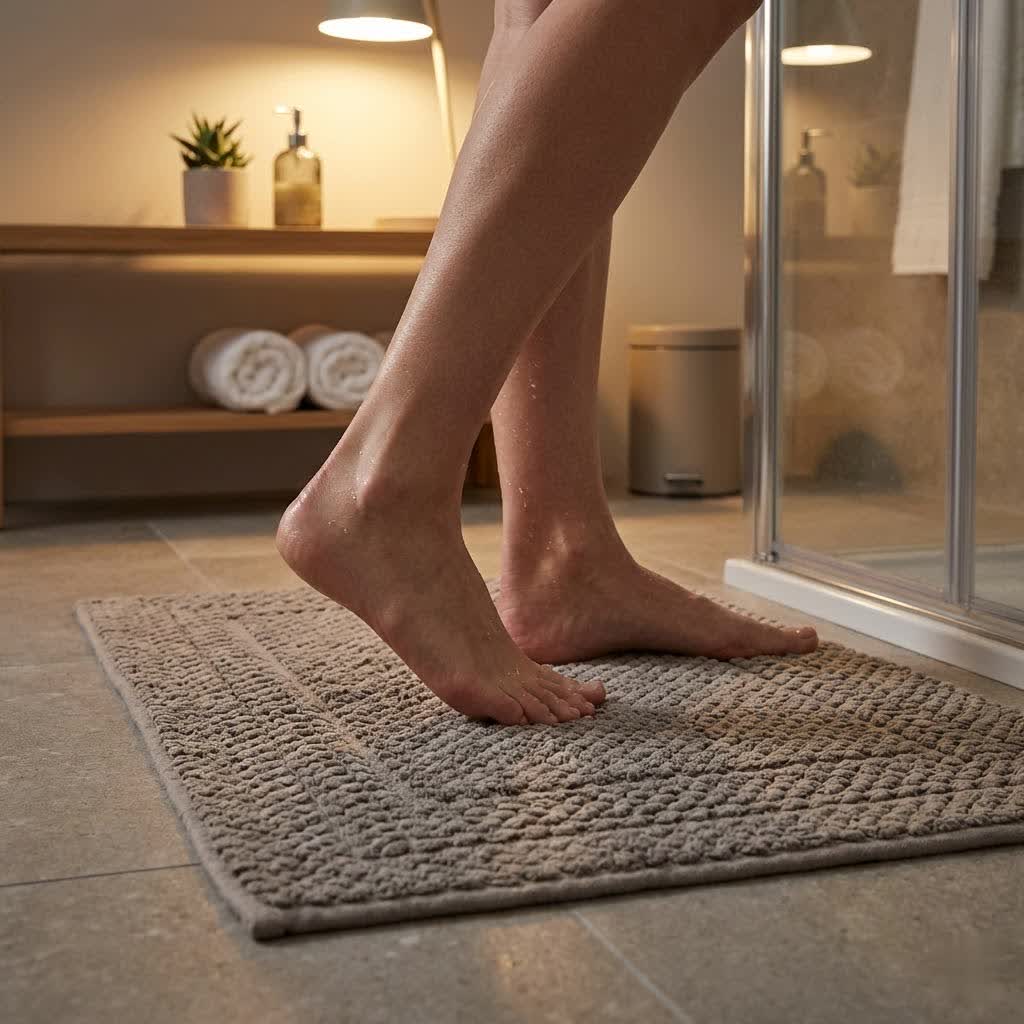
Stepping out of a warm shower onto a cold, slippery floor can instantly dampen your post-bath tranquility. More than just a simple bathroom accessory, a quality bath mat is an essential element for every home, providing a safe, comfortable, and hygienic landing spot while also enhancing your bathroom’s aesthetic. With so many options available, understanding the nuances of materials, features, and care can help you choose the ideal bath mat that perfectly suits your family’s needs and your home’s style. Let’s dive into everything you need to know to select a bath mat you’ll love.
What is a Bath Mat and Why Do You Need One?
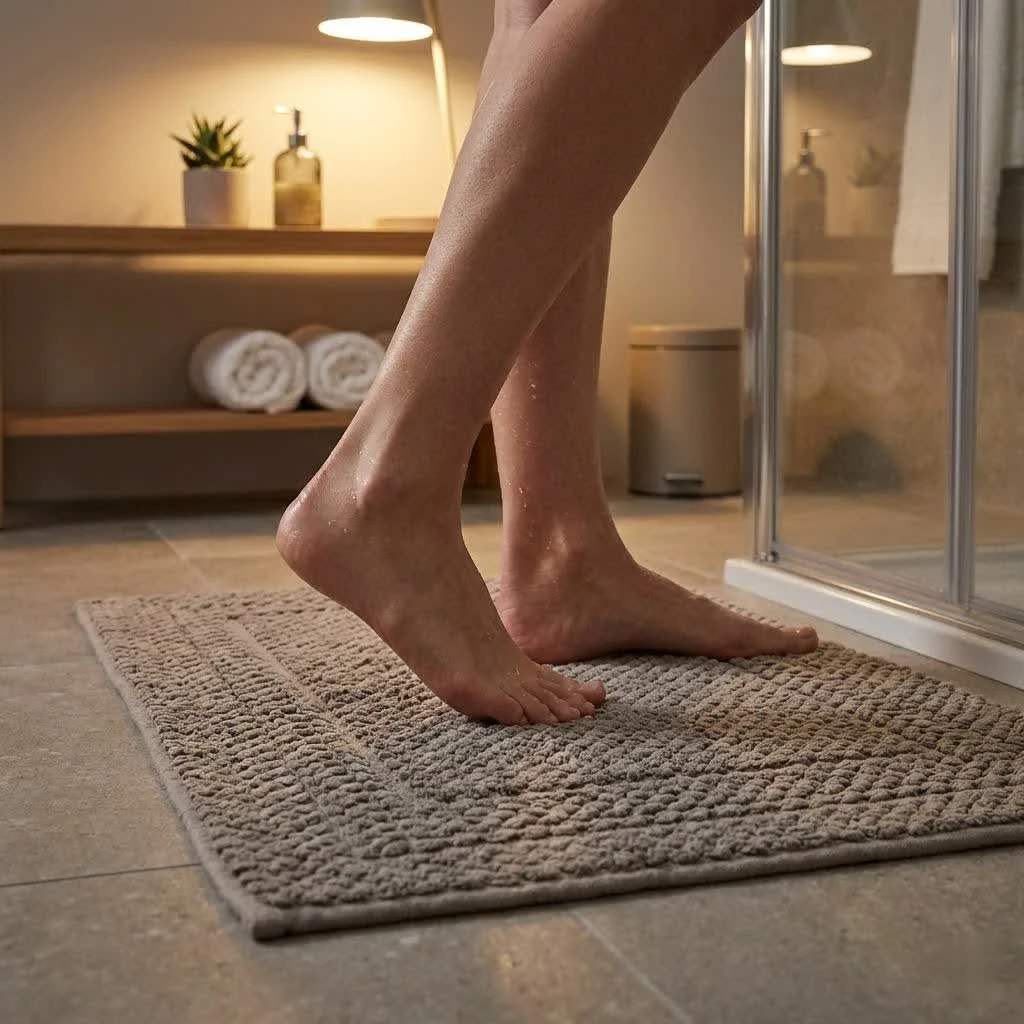
At its core, a bath mat serves as a protective layer between your wet feet and your bathroom floor. Its primary function is to absorb excess water, preventing dangerous slips and falls on slick tile or laminate. Beyond safety, bath mats offer a warm and soft surface, transforming a mundane daily routine into a more luxurious experience. They also play a crucial role in maintaining bathroom hygiene by keeping floors dry, which helps inhibit the growth of mold, mildew, and bacteria that thrive in damp environments. Furthermore, a well-chosen bath mat can tie together your bathroom’s decor, adding a touch of color, texture, and personality to the space.
Popular Types of Bath Mats
The material of your bath mat significantly impacts its performance, feel, and maintenance requirements. Understanding the characteristics of each common type is key to making an informed decision.
Cotton Bath Mats
Cotton bath mats are a timeless choice, cherished for their natural softness and excellent absorbency. They offer a plush feel underfoot, making them incredibly comfortable.
- Pros: Naturally soft, highly absorbent, breathable, machine washable, generally durable.
- Cons: Can be slow to dry, which may lead to mildew or odors if not properly aired out, can shed fibers, may shrink or fade with improper washing.
- Best for: Those who prioritize a classic, soft, and highly absorbent mat; good for everyday use where quick drying isn’t the absolute top priority.
Microfiber Bath Mats
Often made from polyester, microfiber mats are engineered for performance. They feature fine synthetic fibers that create a dense, plush surface.
- Pros: Exceptionally absorbent, remarkably quick-drying, very soft and plush, durable, often comes with built-in non-slip backing, easy to clean.
- Cons: Synthetic material, can sometimes attract lint or pet hair, may flatten over time with heavy use and washing.
- Best for: Busy bathrooms, humid environments, those seeking a very soft feel and rapid drying.
Memory Foam Bath Mats
For unparalleled comfort, memory foam bath mats offer a luxurious, cushioned experience. They conform to the shape of your feet, providing pressure relief and a spa-like feel.
- Pros: Superior comfort and cushioning, good absorbency, often features a non-slip base, provides excellent support.
- Cons: Can be slower to dry due to its dense core, may lose some cushioning over prolonged machine washing, can be bulkier than other mats.
- Best for: Individuals seeking maximum comfort and support, luxury bathrooms.
Bamboo/Wood Bath Mats
Offering a distinct, natural aesthetic, bamboo or teak wood mats provide a different kind of bathroom experience. They are typically slatted, allowing water to drain through rather than absorbing it.
- Pros: Eco-friendly, naturally resistant to mold and mildew, highly durable, adds a spa-like, minimalist look, low maintenance (no machine washing needed).
- Cons: Not absorbent (water collects underneath), hard surface (not plush), can be slippery on wet floors if not elevated or treated, requires good air circulation underneath.
- Best for: Modern, minimalist, or spa-inspired bathrooms; users who prefer to dry off mostly inside the shower.
Stone Bath Mats (Diatomaceous Earth)
A newer and increasingly popular option, stone bath mats are made from diatomaceous earth, a naturally porous material known for its incredible absorbency and rapid drying capabilities.
- Pros: Extremely fast-drying (within seconds), highly absorbent (draws in moisture), naturally antimicrobial, sleek and modern appearance, very low maintenance (wipe clean).
- Cons: Hard, rigid surface (no softness or plush feel), can be brittle and prone to chipping if dropped, typically higher price point.
- Best for: Ultra-fast drying, preventing mold, modern bathrooms, those who prefer a solid, non-fabric surface.
Rubber/PVC Bath Mats
These mats are primarily designed for safety, especially when placed inside the shower or bathtub. They often feature suction cups on the underside for a firm grip.
- Pros: Superior non-slip grip, highly durable, easy to clean (rinse or wipe), excellent for preventing falls inside the tub/shower.
- Cons: Not absorbent (water pools on top), can feel less comfortable or aesthetic, may discolor over time.
- Best for: Enhancing safety inside bathtubs or shower stalls, particularly for children or the elderly.
Comparison Table for Bath Mat Types
|
Our Picks for the Best Bath Mat in 2026
As an Amazon Associate I earn from qualifying purchases.
|
||
| Num | Product | Action |
|---|---|---|
| 1 | OLANLY Bathroom Rugs 30x20, Extra Soft Absorbent Chenille Bath Rugs, Rubber Backing Quick Dry, Machine Washable Bath Mats for Bathroom Floor, Tub and Shower, Home Decor Accessories, Light Grey |

|
| 2 | OLANLY Bathroom Rugs 30x20, Extra Soft Absorbent Chenille Bath Rugs, Rubber Backing Quick Dry, Machine Washable Bath Mats for Bathroom Floor, Tub and Shower, Home Decor Accessories, Sage Green |
|
| 3 | GORILLA GRIP Bath Rug Mat, Thick Soft Absorbent Chenille, Quick Dry Microfiber Mats, Rubber Backing Washable Shower Floor Rugs, US Designed Bathroom Bathmat Home Decor Accessories, 24x17, Grey |
|
| 4 | Amazon Basics Fast Drying Cotton Washcloths for Bathroom, Machine Washable, Soft and Highly Absorbent, 12 x 12 in, White, 24-Pack |
|
| 5 | Amazon Basics Premium 100% Cotton, Absorbent Soft Bath Mat, Machine Washable, 684 GSM, White, 30" x 20" Hotel Spa Shower/Bathtub Mats, Pack of 6 |
|
| 6 | OLANLY Bathroom Rugs 30x20, Extra Soft Absorbent Chenille Bath Rugs, Rubber Backing Quick Dry, Machine Washable Bath Mats for Bathroom Floor, Tub and Shower, Home Decor Accessories, Navy |
|
| 7 | OLANLY Black Bathroom Rug 30x20, Extra Soft Absorbent Chenille Bath Rugs, Rubber Backing Quick Dry, Machine Washable Bath Mats for Bathroom Floor, Tub and Shower, Home Decor Accessories |
|
| 8 | Amazon basics cotton washcloths, Lightweight quick-dry, 12" x 12", 12-pack, white |
|
| 9 | OLANLY Bathroom Rugs 30x20, Extra Soft Absorbent Chenille Bath Rugs, Rubber Backing Quick Dry, Machine Washable Bath Mats for Bathroom Floor, Tub and Shower, Home Decor Accessories, Grey |
|
| 10 | OLANLY Bathroom Rugs 30x20, Extra Soft Absorbent Chenille Bath Rugs, Rubber Backing Quick Dry, Machine Washable Bath Mats for Bathroom Floor, Tub and Shower, Home Decor Accessories, Beige |
|
| Type of Mat | Pros | Cons | Durability | Absorbency | Price Range |
|---|---|---|---|---|---|
| Cotton | Soft, absorbent, natural, machine washable | Slow drying, can mold, may shed | Medium-High | Very Good | Low-Medium |
| Microfiber | Super absorbent, quick-drying, plush | Synthetic, may attract lint, can flatten | High | Excellent | Medium |
| Memory Foam | Plush comfort, cushioning | Slow drying, can flatten, bulky | Medium | Good | Medium-High |
| Bamboo/Wood | Eco-friendly, antimicrobial, durable, stylish | Not absorbent, hard, can be slippery | High | Poor (drains) | Medium-High |
| Stone | Ultra quick-drying, antimicrobial, sleek | Hard, brittle, no plush feel, higher cost | Medium | Excellent (dries) | High |
| Rubber/PVC | Superior non-slip, easy to clean, durable | Not absorbent, less comfortable/aesthetic | Very High | Poor (repels) | Low |
Key Factors to Consider When Buying a Bath Mat
Choosing the perfect bath mat goes beyond just picking a color. Consider these critical factors to ensure you find a mat that’s functional, safe, and beautiful.
Material
As detailed above, the material dictates absorbency, drying time, feel, and cleaning. Prioritize materials like microfiber or stone for quick-drying properties in humid bathrooms, or cotton for a classic soft feel. For safety inside the tub, rubber or PVC is ideal.
Size and Placement
Measure your bathroom space carefully. A bath mat should fit comfortably without obstructing doors or making the area feel cramped.
- Standard Size (e.g., 17″x24″, 20″x30″): Ideal for single sinks, in front of a shower stall, or smaller bathrooms.
- Runner Size (e.g., 20″x60″): Perfect for double vanities or longer stretches of floor.
- Consider multiple smaller mats for different zones (e.g., one by the tub, one by the sink) in larger bathrooms.
Absorbency and Quick-Drying
These are paramount for safety and hygiene. A highly absorbent mat soaks up water quickly, keeping your floor dry and preventing slips. A quick-drying mat is essential to inhibit the growth of mold, mildew, and bacteria. Look for materials like microfiber, high-quality cotton, or stone (diatomaceous earth) for superior performance in these areas.
Safety (Non-Slip Backing)
This is a non-negotiable feature for any bath mat placed on a hard, potentially wet floor. Look for mats with non-slip backings made of rubber, latex, or thermoplastic rubber (TPR) to ensure it stays securely in place, even when wet. For in-tub mats, strong suction cups are vital.
Durability
A good bath mat should withstand regular foot traffic and frequent washing without losing its shape, absorbency, or non-slip properties. Higher-quality materials and robust construction generally translate to a longer lifespan, offering better value over time.
Ease of Cleaning
Life happens, and bath mats get dirty. Machine washable options (like most cotton and microfiber mats) offer the greatest convenience. For non-fabric mats like wood or stone, look for surfaces that can be easily wiped clean.
Color and Design
Your bath mat is also a decorative element. Choose a color, pattern, and texture that complements your existing bathroom decor. Whether you prefer a bold statement piece, a subtle texture, or a solid color that blends seamlessly, there’s a design to match every style.
Price
Bath mats range widely in price. While budget-friendly options are available, investing a little more in a higher-quality mat often means better performance, enhanced durability, and a more pleasant experience in the long run.
Bath Mat Price Segments
The cost of a bath mat typically reflects its material, size, brand, and specialized features.
Budget-Friendly (Under $20-$25)
- Characteristics: Usually made from basic cotton blends, thinner microfiber, or PVC. Focus on basic absorbency and often a simple non-slip backing.
- Pros: Affordable, easy to replace, good for temporary solutions or guest bathrooms.
- Cons: May wear out faster, less plush, limited design options, absorbency and drying speed might be moderate.
Mid-Range ($25-$50)
- Characteristics: Includes higher-quality cotton (e.g., Turkish cotton), denser microfiber, or standard memory foam mats. Often features improved non-slip backings and a wider range of colors/designs.
- Pros: Good balance of performance, comfort, and durability. Offers better absorbency and often quicker drying than budget options.
- Cons: Still primarily fabric-based, requiring regular washing.
Premium/Luxury ($50+)
- Characteristics: Features high-end materials like thick organic cotton, advanced memory foam with removable washable covers, natural bamboo, or innovative stone (diatomaceous earth) mats. Often boasts superior craftsmanship, unique designs, and enhanced features like advanced antimicrobial properties.
- Pros: Exceptional comfort, superior absorbency and drying, long-lasting durability, distinctive aesthetics, and specialized benefits (e.g., ultra-fast drying of stone mats).
- Cons: Significant investment, may require specific care instructions.
Top Picks: Embracing the Best in Bath Mat Technology
While specific product recommendations can quickly become outdated, understanding the types of highly-rated bath mats can guide your choice. Look for options that embody these qualities:
- The Ultra-Absorbent, Quick-Dry Microfiber Mat: These are often lauded for their plush feel and ability to soak up significant amounts of water while drying rapidly, preventing that damp, cold feeling. Many come with robust non-slip rubber backings.
- The Luxurious Memory Foam Mat: For those who prioritize comfort, a thick memory foam mat that cradles your feet after a shower is a top choice. Seek out designs with innovative, machine-washable covers for easier maintenance.
- The Modern, Hygienic Stone Mat: If you’re looking for a low-maintenance, ultra-fast drying solution that combats mold and adds a contemporary touch, a diatomaceous earth mat is an excellent investment. Its quick-evaporating surface makes dampness a thing of the past.
- The Classic, Durable Cotton Rug: For a timeless look and feel, a high-quality, thick cotton bath rug remains a favorite. Opt for those made from Egyptian or Turkish cotton for superior softness and absorbency that holds up wash after wash.
Tips for Cleaning and Maintaining Your Bath Mat
Proper care extends the life of your bath mat and ensures it remains hygienic and functional.
- Regular Cleaning: For fabric mats (cotton, microfiber, memory foam with washable covers), aim to wash them weekly, or at least every one to two weeks, especially in busy households. Non-fabric mats (stone, wood) should be wiped down regularly.
- Washing Fabric Mats: Always check the manufacturer’s label for specific instructions. Most fabric mats are machine washable. Use a gentle cycle with cold or warm water and a mild detergent. Avoid using bleach, which can damage fibers and non-slip backings. For heavily soiled mats, a pre-soak can be beneficial.
- Drying Fabric Mats: Air drying is often the best method to preserve the integrity of the mat’s fibers and non-slip backing. Hang it over a shower rod or clothesline, ensuring good airflow. If using a dryer, select a low heat setting, as high heat can degrade rubber backings and cause shrinkage. Ensure the mat is completely dry before placing it back on the floor to prevent mold and mildew growth.
- Cleaning Non-Fabric Mats: For stone or bamboo mats, simply wipe them clean with a damp cloth and mild soap. Allow them to air dry completely. Stone mats may benefit from occasional light sanding to restore absorbency if they start to feel less effective.
- Preventing Mold and Mildew: The key is to keep your bath mat dry. Hang fabric mats to air out after each use. Ensure your bathroom has good ventilation. Consider anti-microbial mats for an extra layer of protection against unwanted growth.
- When to Replace: Even the best bath mats don’t last forever. Most fabric mats should be replaced every two to three years, or sooner if they show signs of wear and tear, permanent stains, unpleasant odors, or if the non-slip backing starts to degrade.
Conclusion
A bath mat is far more than a decorative accent; it’s a vital component of a safe, comfortable, and hygienic bathroom. By carefully considering the material, prioritizing essential features like absorbency and non-slip properties, and adhering to proper cleaning routines, you can select a bath mat that not only enhances your daily routine but also complements your personal style. Investing time in choosing the right one will pay dividends in comfort, safety, and peace of mind for years to come.
What’s the one feature you simply can’t live without in your perfect bath mat?
Frequently Asked Questions
Do bath mats get moldy?
Yes, bath mats can definitely get moldy, especially in humid bathroom environments if they don’t dry properly between uses. To prevent mold and mildew, it’s crucial to choose a quick-drying material, wash fabric mats regularly, and ensure they are completely dry before being laid back down.
How often should I clean my bath mat?
It is generally recommended to clean fabric bath mats at least once a week, or every one to two weeks for less frequently used bathrooms. Mats in high-traffic or shared bathrooms, or those showing visible dirt or dampness, may require more frequent washing to maintain hygiene.
What is the most absorbent bath mat material?
Microfiber and stone (diatomaceous earth) are typically the most absorbent bath mat materials, quickly soaking up water. High-quality cotton also offers excellent absorbency, though it may take longer to dry.
Are non-slip bath mats really necessary?
Absolutely. Non-slip bath mats are essential for safety, as they significantly reduce the risk of slips and falls on wet bathroom floors. This is particularly important for households with children, the elderly, or anyone with mobility concerns.
Can I use a regular rug as a bath mat?
While you technically can, it’s not recommended. Regular rugs often lack the necessary absorbency and, critically, the non-slip backing found on bath mats. This makes them less effective at managing moisture and poses a significant safety hazard on wet bathroom floors.
Get our weekly buyer guide
Practical specs, not advice. Unsubscribe anytime.
