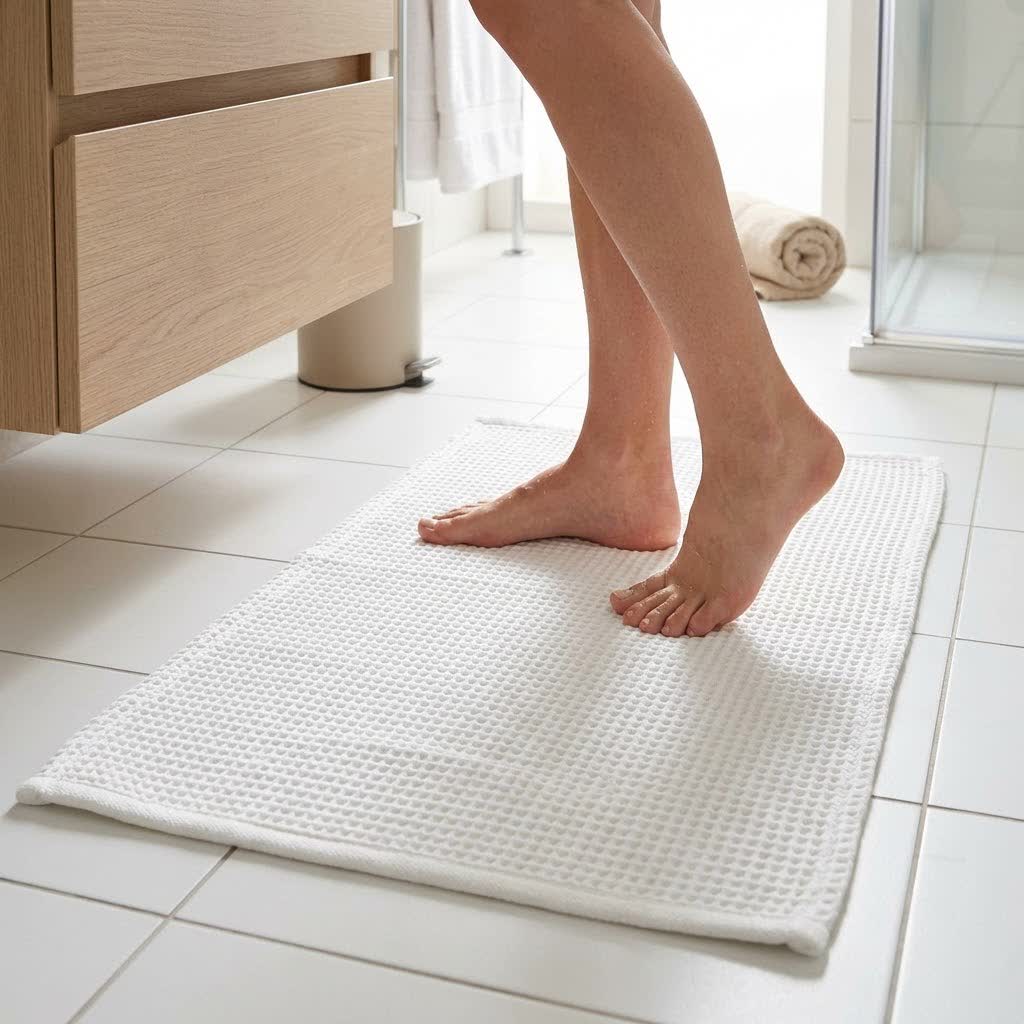
Tired of stepping onto a damp, soggy fabric bath mat after a refreshing shower? Imagine a bathroom where wet footprints disappear in an instant, and unpleasant odors and mildew are a thing of the past. The rise of stone bath mats offers a revolutionary solution, transforming your post-shower experience. Crafted from natural materials, these innovative mats promise unparalleled absorbency and hygiene. Join us as we explore everything you need to know about these remarkable stone bath mats, from their unique benefits and potential drawbacks to a comprehensive buying guide, ensuring you select the perfect one for your home.
What is a Stone Bath Mat and Why Do You Need One?
A stone bath mat, most commonly made from diatomaceous earth (diatomite), is a natural, highly porous slab designed to rapidly absorb water and dry quickly. Diatomaceous earth is composed of the fossilized remains of tiny aquatic organisms called diatoms, whose microscopic, porous structure gives the mat its incredible wicking properties.
Using a stone bath mat offers several compelling advantages over traditional fabric alternatives. Primarily, its superior absorbency and rapid drying capabilities mean your bathroom floor stays dry, significantly reducing the risk of slips and falls. This quick-drying nature also prevents the growth of mold, mildew, and bacteria, which are common issues with damp fabric mats, leading to a more hygienic and odor-free bathroom environment. Furthermore, stone mats boast impressive durability, often lasting for years without the need for frequent washing or replacement, making them a long-term, eco-friendlier investment. Their sleek, minimalist design also adds a touch of modern elegance to any bathroom décor.
Key Types of Bath Mats: A Comparative Look
When considering bath mats, understanding the different types available helps in appreciating the unique position of stone mats. While stone mats are gaining popularity for their advanced functionality, traditional options still have their place.
Stone (Diatomaceous Earth) Mats
These are the star of our discussion. Made from naturally occurring diatomaceous earth, they are characterized by their rigid, solid form. Their microscopic pores act like a sponge, drawing in moisture rapidly and allowing it to evaporate quickly.
- Pros: Exceptional absorbency, ultra-fast drying (often in seconds), naturally resistant to mold, mildew, and odors, provides a hygienic surface, durable with proper care, and offers a contemporary, clean aesthetic. They eliminate the need for frequent laundering associated with fabric mats.
- Cons: Hard and cold underfoot compared to plush fabric mats, can be fragile and prone to cracking or shattering if dropped, heavier and less flexible, not entirely stain-proof (especially with certain oils or colored liquids), and some concerns regarding silica dust if improperly sanded during deep cleaning. The initial cost can also be higher than basic fabric options.
Fabric (Cotton/Microfiber) Mats
These are the most common type of bath mat, known for their soft texture and variety of designs.
- Pros: Soft, warm, and comfortable underfoot, available in a vast array of colors and patterns to match any bathroom style, generally more affordable upfront, and machine washable for easy cleaning.
- Cons: Absorb and retain water, leading to slower drying times, which makes them susceptible to mold, mildew, and unpleasant odors. They require frequent washing to maintain hygiene and can wear out or become matted quickly, diminishing their appearance and effectiveness.
Wood/Bamboo Slatted Mats
These mats offer a spa-like aesthetic and are designed to keep feet off a wet floor, allowing water to drain underneath.
- Pros: Natural and elegant appearance, allows for excellent air circulation, resistant to mold and mildew due to lack of absorbency, and durable if made from water-resistant woods like teak or bamboo.
- Cons: Do not absorb water, meaning puddles can still form on the floor, can be hard and uncomfortable underfoot, some varieties may warp or split over time if not properly maintained, and can be slippery on smooth tile floors if not equipped with anti-slip pads.
Comparison Table for Bath Mat Materials
|
Our Picks for the Best Bath Mat in 2026
As an Amazon Associate I earn from qualifying purchases.
|
||
| Num | Product | Action |
|---|---|---|
| 1 | OLANLY Bathroom Rugs 30x20, Extra Soft Absorbent Chenille Bath Rugs, Rubber Backing Quick Dry, Machine Washable Bath Mats for Bathroom Floor, Tub and Shower, Home Decor Accessories, Sage Green |

|
| 2 | Amazon Basics Premium 100% Cotton, Absorbent Soft Bath Mat, Machine Washable, 684 GSM, White, 30" x 20" Hotel Spa Shower/Bathtub Mats, Pack of 6 |
|
| 3 | OLANLY Bathroom Rugs 30x20, Extra Soft Absorbent Chenille Bath Rugs, Rubber Backing Quick Dry, Machine Washable Bath Mats for Bathroom Floor, Tub and Shower, Home Decor Accessories, Navy |
|
| 4 | OLANLY Bathroom Rugs 30x20, Extra Soft Absorbent Chenille Bath Rugs, Rubber Backing Quick Dry, Machine Washable Bath Mats for Bathroom Floor, Tub and Shower, Home Decor Accessories, Light Grey |
|
| 5 | GORILLA GRIP Bath Rug Mat, Thick Soft Absorbent Chenille, Quick Dry Microfiber Mats, Rubber Backing Washable Shower Floor Rugs, US Designed Bathroom Bathmat Home Decor Accessories, 24x17, Grey |
|
| 6 | OLANLY Black Bathroom Rug 30x20, Extra Soft Absorbent Chenille Bath Rugs, Rubber Backing Quick Dry, Machine Washable Bath Mats for Bathroom Floor, Tub and Shower, Home Decor Accessories |
|
| 7 | Amazon Basics Fast Drying Cotton Washcloths for Bathroom, Machine Washable, Soft and Highly Absorbent, 12 x 12 in, White, 24-Pack |
|
| 8 | Amazon basics cotton washcloths, Lightweight quick-dry, 12" x 12", 12-pack, white |
|
| 9 | OLANLY Bathroom Rugs 30x20, Extra Soft Absorbent Chenille Bath Rugs, Rubber Backing Quick Dry, Machine Washable Bath Mats for Bathroom Floor, Tub and Shower, Home Decor Accessories, Beige |
|
| 10 | OLANLY Bathroom Rugs 30x20, Extra Soft Absorbent Chenille Bath Rugs, Rubber Backing Quick Dry, Machine Washable Bath Mats for Bathroom Floor, Tub and Shower, Home Decor Accessories, Grey |
|
| Type of Mat | Key Advantages | Key Disadvantages | Absorbency | Drying Speed | Durability | Comfort | Cleaning |
|---|---|---|---|---|---|---|---|
| Stone (Diatomaceous Earth) | Rapid drying, mold-resistant, hygienic, sleek look | Hard, fragile, heavier, can stain, potential for silica dust if improperly sanded | Excellent | Very Fast | High (if handled with care) | Firm/Hard | Rinse, light scrub, occasional wet sanding |
| Fabric (Cotton/Microfiber) | Soft, comfortable, diverse designs, affordable | Retains moisture, prone to mold/mildew, needs frequent washing | Good | Slow | Medium (wears out with washes) | Plush | Machine wash |
| Wood/Bamboo | Natural aesthetic, good air circulation | No absorbency, can warp, less comfortable, potential for slipperiness | None | N/A | High | Hard | Wipe clean, occasional oiling (for wood) |
Factors to Consider When Buying the Best Stone Bath Mat
Choosing the ideal stone bath mat involves weighing several important factors to ensure it meets your needs for safety, hygiene, and aesthetics.
- Material Quality: Look for mats made from pure, high-quality diatomaceous earth. Reputable brands often certify their products as non-toxic and free from harmful additives like asbestos. The quality of the diatomite directly impacts the mat’s absorbency and durability.
- Absorption and Drying Speed: This is the primary reason to choose a stone bath mat. Check product descriptions and user reviews for claims about how quickly the mat absorbs water and dries. The best mats boast near-instant absorption and are completely dry within seconds to minutes.
- Size and Thickness: Consider the dimensions of your bathroom and the space available outside your shower or tub. Stone mats come in various sizes; ensure it fits without obstructing doors or becoming a trip hazard. Thicker mats may offer slightly more durability and absorption capacity but will also be heavier.
- Safety Features: While stone mats offer inherent grip, a good quality mat should come with an anti-slip backing (often rubber or silicone) to prevent it from sliding on smooth bathroom floors. This is crucial for preventing accidents.
- Durability and Construction: Examine the mat’s overall build. While stone mats are inherently rigid, a well-made product will have smooth, finished edges and a solid, uniform construction. Be mindful of their brittle nature and choose a mat that feels substantial, but always handle it with care.
- Ease of Cleaning & Maintenance: Most stone mats are easy to clean with just water and a mild brush. Some come with a piece of sandpaper for occasional deep cleaning to remove stubborn stains or restore absorbency by clearing clogged pores. Understanding the cleaning process is vital for long-term satisfaction.
- Aesthetics and Design: Stone bath mats typically feature a minimalist, modern look. Consider the color (often natural earth tones like white, grey, or beige) and any subtle textures or patterns that complement your bathroom decor.
- Brand Reputation & Reviews: Researching brands and reading customer reviews can provide valuable insights into a mat’s actual performance, durability, and customer service. Look for consistent positive feedback on key attributes.
Price Segments for Stone Bath Mats
The cost of stone bath mats can vary significantly based on brand, size, thickness, and quality of diatomaceous earth used.
- Budget-Friendly (Typically $20-$40): These mats often represent entry-level options. They might be smaller, thinner, or made with a less refined diatomaceous earth blend. While they still offer the core benefit of quick drying, their durability or aesthetic appeal might not be as high as more expensive counterparts.
- Mid-Range (Typically $40-$70): This segment offers a good balance between price and performance. You can expect better quality diatomaceous earth, more consistent absorption, and potentially more robust construction. Many popular and highly-rated stone bath mats fall into this category, providing excellent value.
- Premium/High-End (Typically $70+): These mats are often larger, thicker, and come from brands known for superior quality and design. They might feature advanced anti-slip backings, unique textures, or more refined finishes. While a significant investment, they promise enhanced durability, faster drying, and a more luxurious feel.
Top Picks: Our Favorite Stone Bath Mats
Based on extensive testing and user feedback, certain characteristics consistently define the best stone bath mats on the market. While specific brand names can change, here’s what to look for in top-performing categories:
- Best Overall Quick-Dry: Look for mats that are lauded for their instantaneous water absorption, often drying in as little as five to ten seconds. These are typically sturdy, attractive, and provide a consistently dry surface. They embody the core benefit of stone mats perfectly.
- Best Large Option: For those with expansive bathrooms or wider shower entrances, a larger stone mat offers greater coverage and comfort. The best large options maintain excellent absorption across their entire surface and feel substantial underfoot.
- Best for Anti-Slip Performance: Safety is paramount. Top-rated mats in this category feature a highly effective non-slip rubber or silicone backing that grips firmly to various floor types, preventing movement even on smooth, wet tiles. Some also incorporate deeper etched textures on the surface for added foot grip.
- Best Value: The best value stone bath mats strike an impressive balance between affordability and performance. They deliver reliable quick-drying and mold-resistant properties without a premium price tag, making the benefits of stone mats accessible to more households.
Tips for Cleaning and Maintaining Your Stone Bath Mat
Proper care is essential to ensure your stone bath mat remains highly absorbent, hygienic, and lasts for years.
- Regular Cleaning: For routine maintenance, simply rinse your stone bath mat under running water. Use a soft brush or sponge with a small amount of mild liquid soap or dishwashing detergent to gently scrub the surface. Ensure you rinse it thoroughly to remove all soap residue, as leftover soap can reduce its absorbency.
- Dealing with Stains: For stubborn stains, a more intensive approach may be needed. Many manufacturers provide fine-grit sandpaper with their mats. To clean tough spots or to refresh the mat’s absorption capacity, lightly sand the affected area or the entire surface using circular motions. It’s crucial to wet the mat before sanding to minimize the inhalation of any fine silica dust. After sanding, wipe with a damp cloth and rinse well.
- Drying: After cleaning or regular use, allow your stone bath mat to air dry completely. Prop it vertically in a well-ventilated area or outdoors to ensure all moisture evaporates, preventing any potential for mildew, even though it’s highly resistant.
- Prevention: To prolong the mat’s life and maintain its pristine condition, try to avoid stepping on it with excessively oily or colored products (like bath oils, certain hair dyes, or muddy feet) which could lead to stains that are harder to remove. A quick towel-dry before stepping onto the mat can also help manage the amount of water it needs to absorb.
- Safety Precaution: As mentioned, when sanding your stone bath mat, always do so in a wet environment (e.g., inside the shower or over a sink with running water) to suppress dust. Avoid dry sanding to protect your respiratory health.
“A quality stone bath mat is more than just a bathroom accessory; it’s an investment in daily comfort, safety, and hygiene, offering a refreshingly clean experience every time you step out of the shower.”
Conclusion
Embracing a stone bath mat means stepping into a world where bathroom hygiene and efficiency meet modern design. By choosing a mat made from diatomaceous earth, you’re opting for a solution that combats dampness, deters mold and odors, and dries in mere moments. While they may offer a different feel underfoot than plush fabric mats and require careful handling due to their rigid nature, their long-term benefits in terms of cleanliness, safety, and durability are undeniable. With the right selection and simple maintenance, a stone bath mat can significantly elevate your daily routine and transform your bathroom into a drier, healthier sanctuary.
What feature of stone bath mats are you most excited to bring into your bathroom?
Frequently Asked Questions
Are stone bath mats truly anti-mold?
Yes, stone bath mats, particularly those made from diatomaceous earth, are highly resistant to mold and mildew. Their exceptionally porous structure allows water to evaporate almost instantly, preventing the sustained moisture that mold and mildew need to thrive. This rapid drying action makes them a far more hygienic choice than traditional fabric mats.
How often should I clean my stone bath mat?
For general cleanliness, simply rinsing your stone bath mat with water every few days or weekly is usually sufficient. If you notice a decrease in absorbency or visible stains, a light scrub with mild soap and a brush, followed by thorough drying, is recommended. For stubborn stains or to refresh maximum absorbency, occasional wet sanding can be performed every few months.
Are stone bath mats safe?
Yes, stone bath mats are generally safe for daily use. Reputable brands ensure their diatomaceous earth products are non-toxic and free from harmful substances like asbestos. The primary safety concern is their brittle nature, meaning they can crack or break if dropped. When cleaning with sandpaper, wet the mat to prevent inhaling fine silica dust, which can be harmful.
Do stone bath mats feel cold underfoot?
Compared to soft, fabric bath mats, stone bath mats do have a firmer, cooler feel underfoot, similar to stepping on unglazed tile or slate. However, many users find this sensation neutral and refreshing rather than unpleasantly cold, especially considering the instant dryness and cleanliness they provide.
Can stone bath mats break easily?
Stone bath mats, typically made from diatomaceous earth, are rigid and can be brittle. They are prone to cracking, chipping, or shattering if dropped from a height or if subjected to significant impact or uneven pressure. This is a key consideration, and care should be taken when handling and placing them in your bathroom.
Get our weekly buyer guide
Practical specs, not advice. Unsubscribe anytime.
