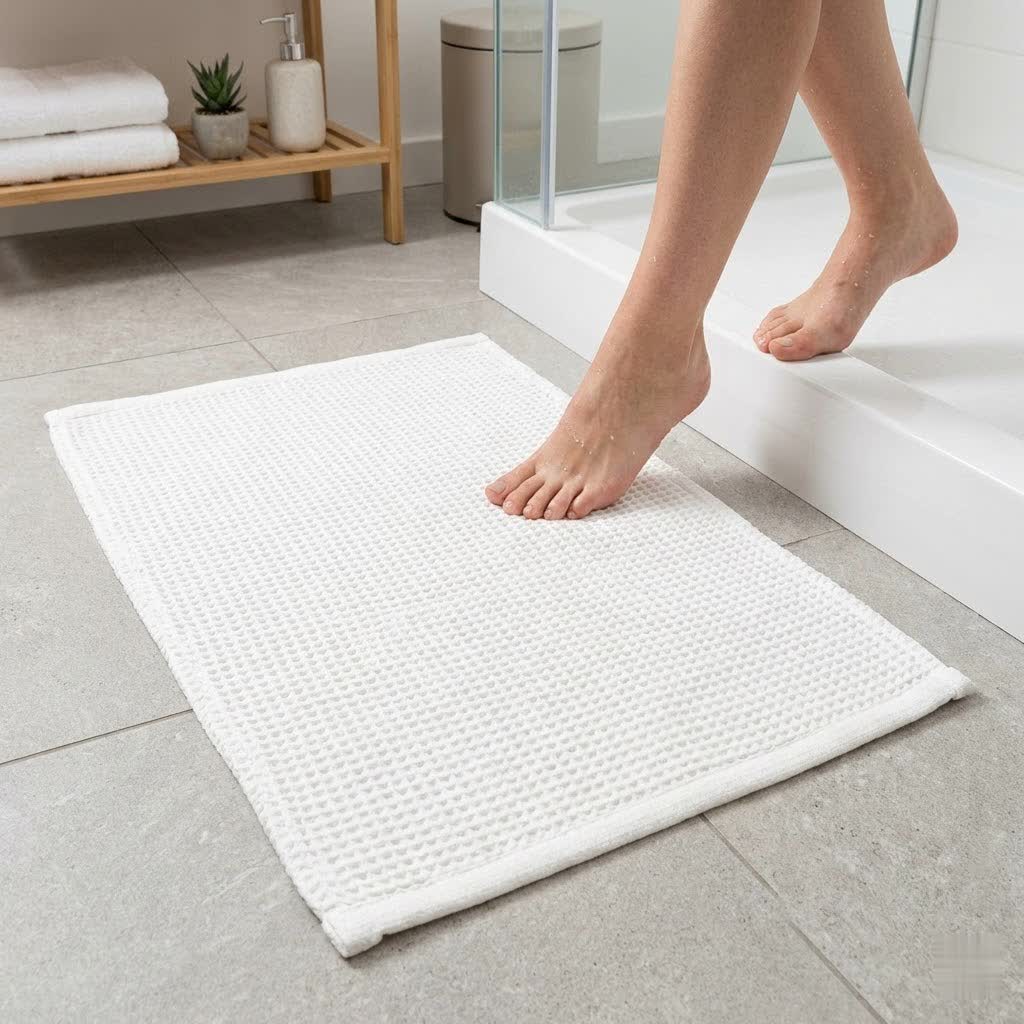
Stepping out of a refreshing shower should be a moment of pure comfort, not a precarious dance on a cold, slippery floor. A great bath mat is your unsung hero in the bathroom, offering both safety and a touch of luxury. But why settle for mundane when you can infuse your space with personality and joy? A colorful bath mat isn’t just a functional item; it’s a vibrant statement, a daily dose of cheer, and a simple way to transform your bathroom’s aesthetic. Let’s dive into everything you need to know to pick the perfect colorful bath mat that combines style, safety, and ultimate comfort.
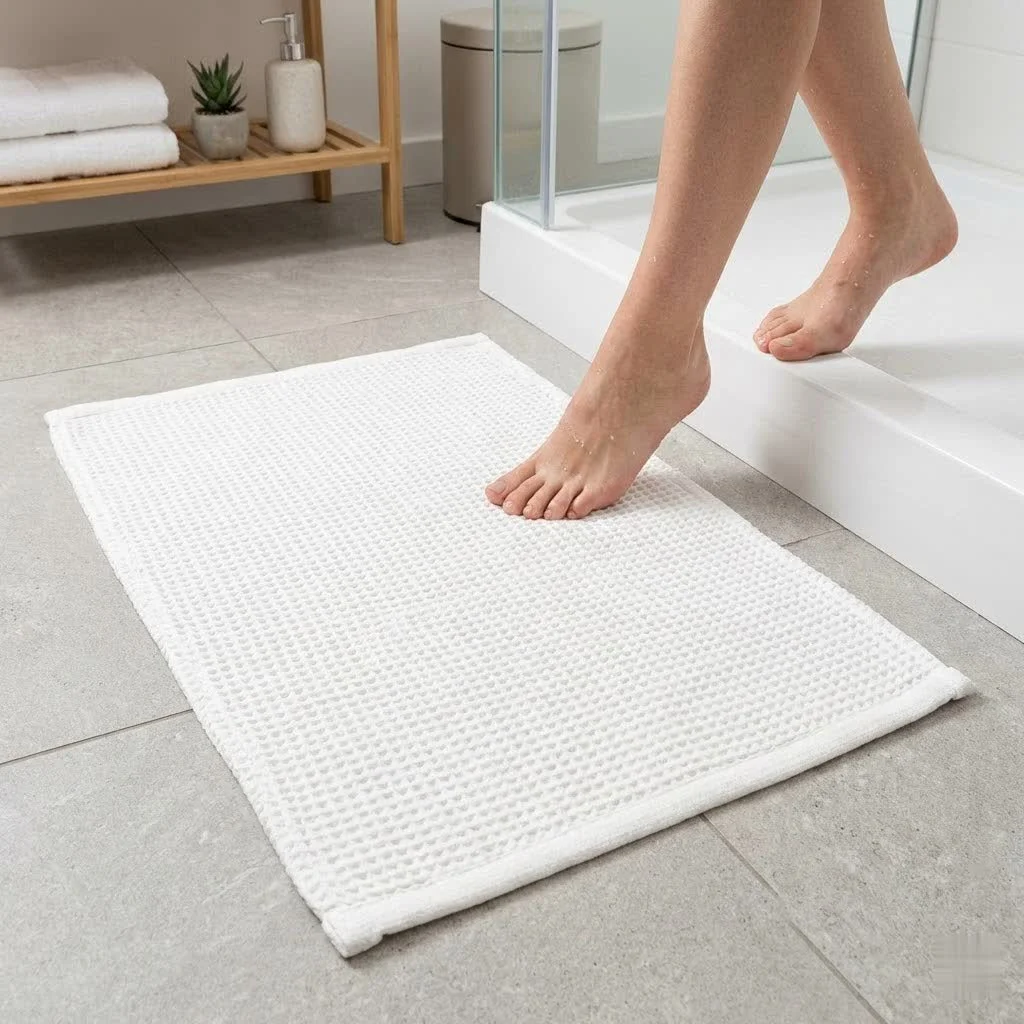
What is a Bath Mat and Why Do You Need One?
A bath mat serves as a crucial barrier between your wet feet and the hard bathroom floor, offering a soft landing spot after a shower or bath. Its primary functions are multifaceted: safety, hygiene, and aesthetic enhancement. Primarily, bath mats prevent slips and falls on wet, tiled surfaces, a common household hazard. Beyond safety, they absorb excess water, helping to keep your bathroom floor dry and clean, which in turn reduces the risk of mold and mildew buildup. Aesthetically, a bath mat can tie together your bathroom’s decor, adding texture, color, and a personal touch that reflects your style. For explore our home decor reviews on this site.
Popular Types of Bath Mats
Understanding the different materials available for bath mats is key to finding one that suits your needs and preferences, especially when considering how well they showcase vibrant colors.
Cotton Bath Mats
Cotton mats are a timeless choice, cherished for their natural softness and excellent absorbency. They offer a plush feel underfoot and are generally easy to care for.
- Pros: Soft, natural fiber, highly absorbent, comfortable, good for classic and natural color palettes.
- Cons: Tends to dry slower than synthetic options, can be prone to mildew if left damp for too long, may fade slightly with repeated washing.
- Best For: Those who prioritize natural materials and a traditional, soft feel. They absorb water well but need regular washing and proper drying to maintain freshness.
Microfiber Bath Mats
Made from synthetic fibers, microfiber mats are engineered for performance, excelling in absorbency and quick-drying capabilities. Their fine fibers hold dyes exceptionally well, making them ideal for vivid, long-lasting colors.
- Pros: Super absorbent, exceptionally quick-drying, very soft and plush, excellent color retention, highly durable.
- Cons: Can sometimes attract lint and pet hair, requires regular washing to keep clean.
- Best For: High-traffic bathrooms, homes with multiple users, or anyone seeking superior absorption and a mat that dries rapidly. Great for bold, bright designs.
Bamboo Bath Mats
For a spa-like feel, bamboo bath mats offer a unique, eco-friendly option. They are typically slatted or woven, providing a firm, naturally antimicrobial surface.
- Pros: Naturally resistant to mold and mildew, eco-friendly, durable, provides an elevated, minimalist aesthetic.
- Cons: Not soft or absorbent in the traditional sense, can feel hard underfoot, less cushioning.
- Best For: Bathrooms with a modern, natural, or minimalist design where water drainage rather than absorption is preferred. Not ideal for cushioning or vibrant patterns, but can serve as a colorful base when stained.
Memory Foam Bath Mats
Memory foam bath mats are all about luxurious comfort, conforming to the shape of your feet to provide unparalleled cushioning. They often come with a soft, colorful fabric outer layer.
- Pros: Extremely comfortable and supportive, provides excellent pressure relief, good absorption from outer fabric.
- Cons: Can be slower to dry due to the dense foam core, may retain moisture if not aired out properly, can be bulkier for washing.
- Best For: Those who desire maximum comfort and a soft, cushioned surface, adding a plush, colorful accent.
Foam (EVA/PVC) Bath Mats
These mats are often made from simpler foam or plastic materials, prioritizing non-slip properties and ease of cleaning, though they typically lack absorbency.
- Pros: Lightweight, often very affordable, excellent non-slip properties, very easy to wipe clean.
- Cons: Lacks absorbency, not plush or soft, can be less durable than fabric options, can sometimes look less luxurious.
- Best For: Shower interiors, children’s bathrooms, or situations where slip prevention and easy cleaning are paramount, and absorbency is not a primary concern.
Comparison Table of Popular Bath Mat Types
|
Our Picks for the Best Bath Mat in 2026
As an Amazon Associate I earn from qualifying purchases.
|
||
| Num | Product | Action |
|---|---|---|
| 1 | OLANLY Bathroom Rugs 30x20, Extra Soft Absorbent Chenille Bath Rugs, Rubber Backing Quick Dry, Machine Washable Bath Mats for Bathroom Floor, Tub and Shower, Home Decor Accessories, Navy |

|
| 2 | OLANLY Bathroom Rugs 30x20, Extra Soft Absorbent Chenille Bath Rugs, Rubber Backing Quick Dry, Machine Washable Bath Mats for Bathroom Floor, Tub and Shower, Home Decor Accessories, Grey |
|
| 3 | OLANLY Black Bathroom Rug 30x20, Extra Soft Absorbent Chenille Bath Rugs, Rubber Backing Quick Dry, Machine Washable Bath Mats for Bathroom Floor, Tub and Shower, Home Decor Accessories |
|
| 4 | OLANLY Bathroom Rugs 30x20, Extra Soft Absorbent Chenille Bath Rugs, Rubber Backing Quick Dry, Machine Washable Bath Mats for Bathroom Floor, Tub and Shower, Home Decor Accessories, Light Grey |
|
| 5 | Amazon Basics Fast Drying Cotton Washcloths for Bathroom, Machine Washable, Soft and Highly Absorbent, 12 x 12 in, White, 24-Pack |
|
| 6 | GORILLA GRIP Bath Rug Mat, Thick Soft Absorbent Chenille, Quick Dry Microfiber Mats, Rubber Backing Washable Shower Floor Rugs, US Designed Bathroom Bathmat Home Decor Accessories, 24x17, Grey |
|
| 7 | OLANLY Bathroom Rugs 30x20, Extra Soft Absorbent Chenille Bath Rugs, Rubber Backing Quick Dry, Machine Washable Bath Mats for Bathroom Floor, Tub and Shower, Home Decor Accessories, Sage Green |
|
| 8 | Amazon basics cotton washcloths, Lightweight quick-dry, 12" x 12", 12-pack, white |
|
| 9 | OLANLY Bathroom Rugs 30x20, Extra Soft Absorbent Chenille Bath Rugs, Rubber Backing Quick Dry, Machine Washable Bath Mats for Bathroom Floor, Tub and Shower, Home Decor Accessories, Beige |
|
| 10 | Amazon Basics Premium 100% Cotton, Absorbent Soft Bath Mat, Machine Washable, 684 GSM, White, 30" x 20" Hotel Spa Shower/Bathtub Mats, Pack of 6 |
|
| Type of Mat | Pros | Cons | Durability | Absorbency | Price Range |
|---|---|---|---|---|---|
| Cotton | Soft, natural, highly absorbent, comfortable. | Dries slowly, can mildew if left damp, may fade. | Medium | Good | Low – Medium |
| Microfiber | Super absorbent, quick-drying, soft, excellent color retention. | Attracts lint, needs frequent washing. | High | Excellent | Medium |
| Bamboo | Mold/mildew resistant, eco-friendly, durable, natural look. | Hard underfoot, not absorbent in traditional sense, less cushioning. | High | Low (drainage) | Medium – High |
| Memory Foam | Extremely comfortable, supportive, good absorption from outer layer. | Dries slower, can retain moisture, bulky to wash. | Medium – High | Good | Medium – High |
| Foam (EVA/PVC) | Excellent non-slip, very easy to clean, lightweight. | No absorbency, not plush, can be less durable. | Low – Medium | Poor (drainage) | Low |
Factors to Consider When Buying a Colorful Bath Mat
Choosing the perfect colorful bath mat involves more than just picking a pretty pattern. It’s about balancing aesthetics with essential functionality.
Material
The material dictates not only the mat’s feel and performance but also how vibrant and lasting its colors will be. Microfiber is renowned for holding dyes brilliantly, allowing for rich, intense hues and intricate patterns. Cotton offers a classic, softer color presentation, often in more muted or earthy tones, but can still be dyed brightly. For colorful designs, opt for materials that resist fading and hold up well to repeated washing, such as high-quality microfiber or durable cotton blends.
Size
The right size ensures both safety and aesthetic balance. A mat that’s too small might not catch all splashes, leading to slippery floors, while one that’s too large can overwhelm the space or interfere with door clearance. Measure the area in front of your shower, tub, or sink. Standard sizes are often 17″x24″ or 21″x34″, but runners are excellent for longer vanities or double sinks, providing a continuous splash of color.
Absorbency
A highly absorbent bath mat is critical for keeping your bathroom floor dry and preventing dangerous slips. Materials like microfiber and dense cotton excel in this area. A good bath mat should soak up water quickly without becoming saturated, ensuring your feet stay dry and your floor remains safe. For colorful options, ensure the absorbency isn’t compromised by the dye or manufacturing process.
Safety: Non-Slip Features
This is a non-negotiable feature for any bath mat, especially in a busy bathroom. A non-slip backing, typically made of rubber, PVC, or latex, grips the floor to prevent the mat from shifting. Even the most stunning colorful mat loses its appeal if it’s a slip hazard. Always check for a robust, durable non-slip backing to ensure maximum safety for everyone in your household.
Durability
A durable bath mat will withstand frequent use and washing, maintaining its color, shape, and plushness over time. High-quality stitching, robust materials, and a well-constructed backing contribute to longevity. Investing in a durable colorful bath mat means your vibrant bathroom accent will continue to brighten your space for years to come.
Ease of Cleaning
Bathrooms are naturally humid environments, making bath mats susceptible to mold, mildew, and odors. A machine-washable mat is a lifesaver for easy maintenance. Look for mats that can be tossed into the washing machine and dryer without losing their color or structural integrity. Quick-drying materials like microfiber also contribute to overall hygiene.
Color and Design
This is where a colorful bath mat truly shines. It’s an opportunity to inject personality and style into what can often be a utilitarian space.
- Complementary Colors: Choose colors that complement your existing bathroom decor, such as towels, shower curtains, or wall art.
- Contrasting Pop: Opt for a bold, contrasting color to create a focal point and add a playful touch.
- Patterns: From abstract art to playful geometrics, intricate florals, or quirky motifs, patterns can add significant visual interest. Smaller patterns can be less overwhelming in smaller bathrooms.
- Thematic Design: Align your mat’s design with a specific theme, whether it’s coastal, bohemian, minimalist, or whimsical.
A colorful bath mat can tie the whole room together or act as a standalone piece of art for your floor.
Brand
While not explicitly covered in detail in general searches, reputable brands often provide better quality, consistent sizing, and more reliable non-slip features and colorfastness. Look for brands known for their home textiles or specific bath products.
Price
Price points for colorful bath mats can vary widely, influenced by material, size, brand, and design complexity. Consider your budget, but remember that a higher price often correlates with better materials, superior craftsmanship, and enhanced durability.
Price Ranges for Colorful Bath Mats
The cost of a colorful bath mat can vary significantly based on its material, size, brand, and design complexity.
Economy (Under $20):
- Characteristics: Typically smaller in size, often made from simpler synthetic foams or thinner cotton blends. Designs might be basic solids or simple patterns.
- Pros: Very affordable, accessible for quick updates or temporary use.
- Cons: May lack durability, absorbency, and robust non-slip features. Colors might fade faster.
Mid-Range ($20 – $50):
- Characteristics: This segment offers a wide variety of microfiber and medium-density cotton options. You’ll find a greater selection of vibrant colors, patterns, and sizes. Many memory foam mats fall into this category.
- Pros: Good balance of quality, comfort, and style. Better absorbency and non-slip backings.
- Cons: Some can still experience color fading or reduced plushness over time if not cared for properly.
Premium ($50+):
- Characteristics: These mats are often made from high-quality, dense cotton, luxurious microfiber, or specialty materials like bamboo. They feature sophisticated designs, superior craftsmanship, and exceptional durability. Larger sizes or sets are common.
- Pros: Excellent comfort, superior absorbency, highly durable, long-lasting color vibrancy, and robust non-slip properties.
- Cons: Higher initial investment.
Top Picks: Popular Colorful Bath Mat Styles
While specific product names may change, certain styles of colorful bath mats consistently capture attention due to their aesthetic appeal and functionality.
- Vibrant Abstract Art Mats: These mats transform your bathroom floor into a modern art gallery. Featuring bold brushstrokes, geometric shapes, or fluid patterns in a riot of colors, they are typically made from soft, absorbent microfiber with a reliable non-slip backing. They’re perfect for contemporary bathrooms that crave a statement piece.
- Boho Chic Floral & Mandala Mats: Infused with global inspiration, these mats often display intricate floral designs, mandalas, or ethnic patterns in warm, earthy tones mixed with brighter accents. Often made from cotton or a cotton-microfiber blend, they bring a cozy, artistic, and free-spirited vibe to the bathroom, offering both comfort and excellent absorbency.
- Playful & Whimsical Character Mats: Ideal for adding a touch of fun, especially in children’s bathrooms or powder rooms. These can feature cartoon animals, quirky sayings, or unusual shapes (like a cloud, a fruit slice, or a paw print) in bright, cheerful colors. Typically microfiber or a plush cotton, they are designed to be soft, absorbent, and durable enough for frequent washing.
- Striped & Geometric Modern Mats: For those who appreciate clean lines but desire color, these mats offer varying widths of stripes or interlocking geometric shapes in a coordinated palette. Often found in cotton or microfiber, they can range from subtle multi-tone designs to bold, high-contrast patterns that add structure and contemporary flair.
Care and Maintenance of Your Colorful Bath Mat
Proper care is essential to keep your colorful bath mat looking vibrant, fresh, and hygienic. Regular cleaning not only extends its life but also prevents the buildup of mold, mildew, and odors, which are common in damp bathroom environments.
How to Wash Your Bath Mat:
- Machine Washing (Most Common):
- Shake It Out: Before washing, take your mat outside and give it a good shake to remove loose dirt, hair, and debris.
- Check the Label: Always consult the care label for specific washing instructions, as materials vary.
- Use Cold Water: Wash colorful bath mats in cold water with a gentle detergent to help preserve color vibrancy and prevent shrinking.
- Gentle Cycle: Use a delicate or gentle cycle to protect the fibers and the non-slip backing.
- Wash Separately: Wash bath mats separately or with other towels to prevent lint transfer and ensure thorough cleaning. Avoid washing with items that have zippers or hooks, which can damage the mat.
- Avoid Bleach and Fabric Softeners: Bleach can fade colors and damage the non-slip backing. Fabric softeners can reduce absorbency and leave a residue on the fibers.
- Hand Washing (For delicate mats or spot cleaning):
- Fill a basin with cool water and a small amount of mild detergent.
- Submerge the mat and gently agitate it.
- For stubborn spots, lightly scrub with a soft brush.
- Rinse thoroughly until all soap is removed.
Drying and Storage:
- Air Dry When Possible: The best way to preserve the non-slip backing and prevent shrinking or damage to the mat’s fibers is to air dry it. Hang it over a shower rod or clothesline, ensuring good air circulation.
- Low Heat Tumble Dry: If using a dryer, select the lowest heat setting. High heat can melt or crack rubber backings and damage synthetic fibers. Remove the mat while it’s still slightly damp to prevent over-drying.
- Ensure Complete Dryness: Before returning the mat to the bathroom or storing it, make sure it is completely dry. Any lingering moisture can lead to mildew and unpleasant odors.
- Regular Airing: Even between washes, hang your bath mat up to air dry after each use to prolong freshness and prevent moisture buildup.
Tips for Odor and Mildew Control:
- Vinegar Soak: For mats with persistent odors or mildew, pre-soak in a solution of equal parts white vinegar and water for 30 minutes before washing.
- Baking Soda: Sprinkle baking soda on a dry mat, let it sit for 15-20 minutes, then vacuum or shake it off to absorb odors.
- Good Ventilation: Ensure your bathroom is well-ventilated to help mats dry faster and reduce humidity, a prime cause of mildew. Open a window or use an exhaust fan after showering.
“A well-chosen colorful bath mat is more than just a floor covering; it’s an expression of your home’s personality, blending practical function with joyful design.”
Conclusion
A colorful bath mat is an effortless way to infuse your bathroom with personality, comfort, and crucial safety. From plush memory foam to quick-drying microfiber or classic cotton, the perfect mat enhances your daily routine by providing a soft, absorbent, and non-slip surface. By considering material, size, absorbency, and the vibrancy of its design, you can select a mat that not only complements your decor but also withstands the test of time and countless washes. So, embrace the power of color and transform your bathroom into a more inviting and safer sanctuary. Which vibrant shade or playful pattern will you choose to brighten your space today?
Frequently Asked Questions
How often should I wash my colorful bath mat?
For optimal hygiene and to maintain its vibrant appearance, it’s recommended to wash your colorful bath mat every one to two weeks, or more frequently in high-traffic bathrooms or homes with pets and children.
Can colorful bath mats fade after multiple washes?
The longevity of a colorful bath mat’s vibrancy depends on its material and dye quality. High-quality microfiber and cotton mats designed for durability will resist fading better. Always wash in cold water with a mild detergent and air dry or tumble dry on low to preserve colors.
Are all colorful bath mats non-slip?
No, not all colorful bath mats are inherently non-slip. It is crucial to check for a non-slip backing, typically made of rubber, latex, or PVC, when purchasing a mat. This feature is vital for preventing accidents on wet bathroom floors.
How do I choose a colorful bath mat that matches my bathroom decor?
Consider the existing color scheme and style of your bathroom. You can choose a mat with colors that complement your towels, shower curtain, or wall art for a cohesive look, or select a contrasting vibrant shade to create an exciting focal point.
Can I use a colorful bath mat outside the bathroom?
While primarily designed for bathrooms, smaller, colorful bath mats can also be used as accent rugs in other areas like entryways, kitchens, or laundry rooms to add a pop of color, provided they have a suitable non-slip backing and are appropriate for the environment.
Get our weekly buyer guide
Practical specs, not advice. Unsubscribe anytime.
