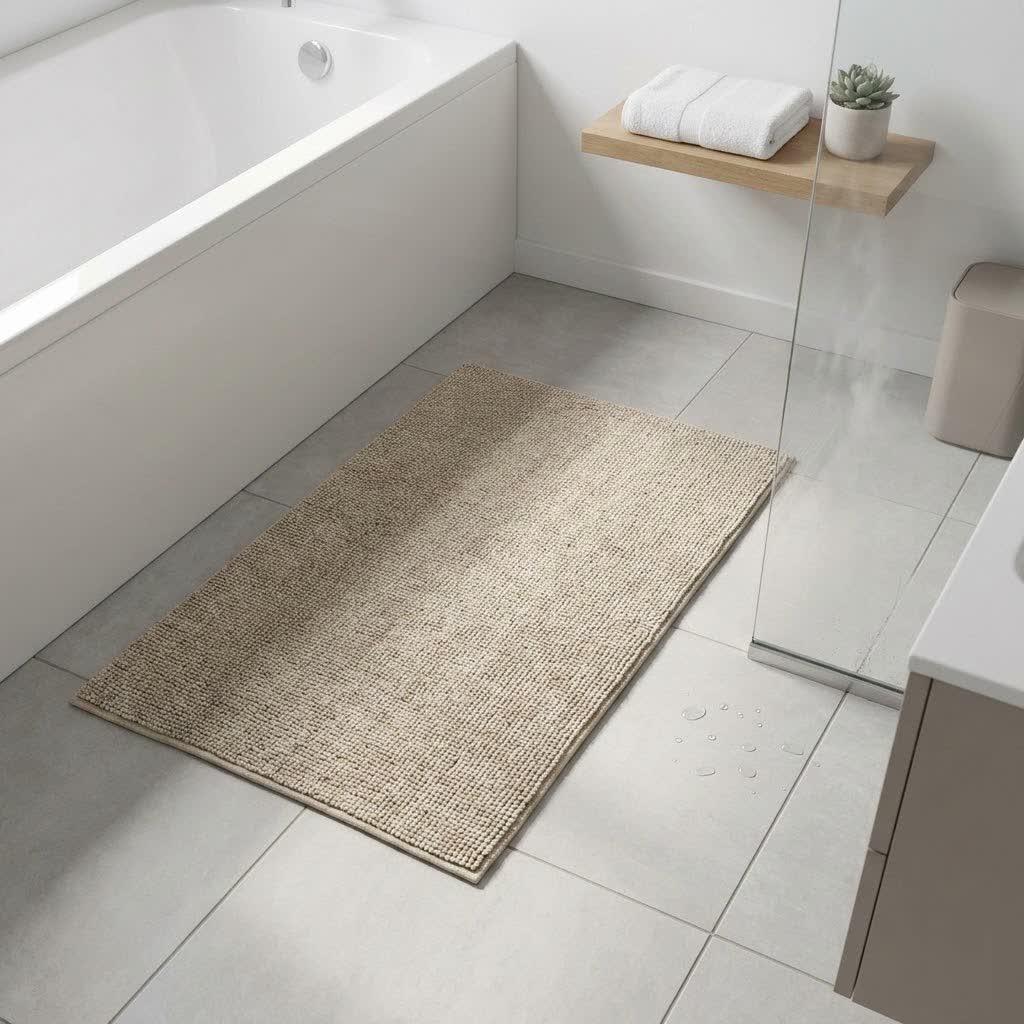
Stepping out of a warm shower onto a soft, green carpet of living moss might sound like something from a dream, but the rise of moss bath mats is turning this into a beautiful bathroom reality. In a world increasingly focused on natural living and biophilic design, these unique mats offer more than just a place to dry your feet. They bring a piece of the serene outdoors into your home, transforming your daily routine into a calming, grounding experience. But what exactly are moss bath mats, and are they the right choice for your bathroom? Let’s delve into everything you need to know about these fascinating, eco-friendly alternatives.
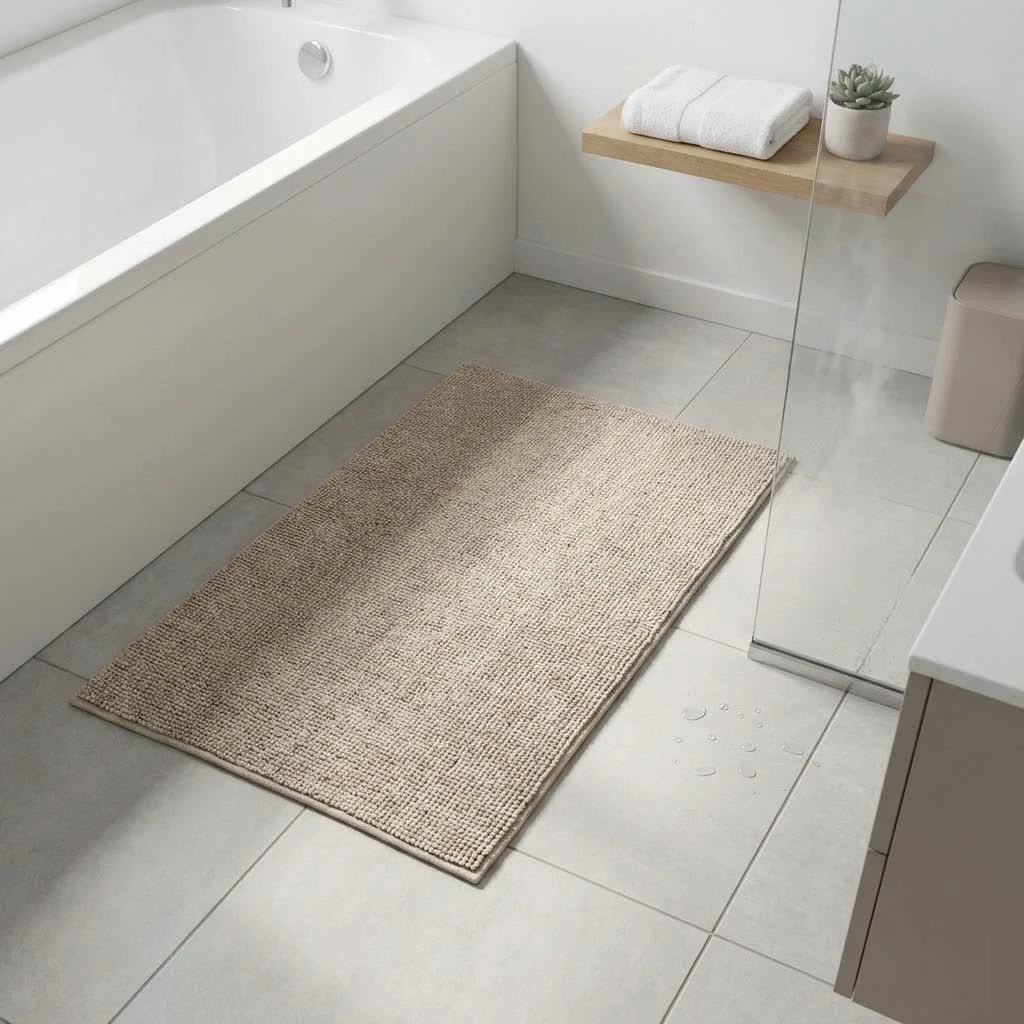
What are Moss Bath Mats and Why Embrace Them?
A moss bath mat is precisely what its name suggests: a mat crafted from living mosses designed to thrive in the moisture-rich environment of your bathroom. Unlike conventional bath mats made from synthetic fabrics, these are vibrant, breathing pieces of decor that connect you directly with nature. They represent a unique approach to home aesthetics, moving beyond simple utility to create an immersive, natural sanctuary right where you start and end your day.
Beyond their captivating visual appeal, moss bath mats offer several compelling reasons to embrace them. They contribute to a healthier indoor environment by absorbing carbon dioxide and releasing oxygen, and can even help regulate humidity levels, potentially reducing the risk of mold growth and musty odors that often plague traditional mats. Furthermore, the soft, cushiony texture of real moss provides a gentle massage underfoot, offering a therapeutic effect that can soothe tired feet and enhance overall well-being. Choosing a moss bath mat is not just a style statement; it’s a step towards a more sustainable and serene home.
Exploring the World of Moss Bath Mats
The term “moss bath mat” can sometimes refer to two distinct products: genuine living moss mats and moss-inspired synthetic alternatives. Understanding the differences is crucial to making an informed choice for your home.
Living Moss Bath Mats
These are the true natural wonders, featuring real, live moss species like Cushion moss (Leucobryum glaucum) and Sheet moss (Hypnum curvifolium) carefully arranged within a supportive base. They are designed to absorb the moisture from your post-shower feet, using it to sustain the moss itself.
Pros of Living Moss Bath Mats:
- Biophilic Design & Aesthetic Appeal: They introduce a unique, organic element, creating a visually striking and calming “miniature garden” effect in your bathroom.
- Air Purification & Humidity Regulation: Living moss naturally filters the air, absorbing CO2 and releasing oxygen, and helps balance humidity, which can deter mold.
- Comfort & Sensory Experience: Offering a remarkably soft, cushiony, and slightly springy texture, they provide a pleasant, grounding sensation underfoot.
- Eco-Friendly & Sustainable: Made from renewable, biodegradable resources, they are a chemical-free and environmentally conscious choice.
- Natural Absorbency & Quick Drying: Mosses are highly efficient at absorbing water, which then evaporates naturally, contributing to a drier mat surface.
- Dirt Concealment: The dense, vibrant green texture can effectively camouflage small debris or minor stains.
Cons of Living Moss Bath Mats:
- Maintenance Demands: These are not “set it and forget it” items. They require regular care, including misting or weekly soaking, to maintain their lushness and prevent drying out.
- Durability & Appearance: Uneven stepping can lead to compacted or dead patches of moss over time, affecting the mat’s aesthetic consistency.
- Cleaning Challenges: Traditional cleaning methods are unsuitable. Concerns include hair, debris, and potential soap residue accumulating and harming the moss.
- Environmental Requirements: They need indirect natural light and good ventilation to thrive. Direct sunlight, heaters, or air conditioners can be detrimental.
- Potential for Pests (Low Risk): While some users worry about bugs, many reviews suggest that if properly maintained, they do not attract critters.
- Cost & Accessibility: Pre-made living moss mats can be pricey or harder to find, with many opting for DIY projects.
Moss-Inspired Synthetic Bath Mats
These mats are designed to mimic the look and feel of moss but are made from conventional materials such as polyester, microfiber, or memory foam. They often feature textured surfaces or vibrant green hues to replicate moss’s natural appearance.
Pros of Moss-Inspired Synthetic Bath Mats:
- Easy Care: Most are machine washable, making cleaning straightforward and hassle-free. [cite: 3 (search result snippet, refers to polyester)]
- Non-Slip Features: Commonly designed with rubberized or plastic dot backings for enhanced safety on slick bathroom floors. [cite: 3 (search result snippet, refers to polyester)]
- Comfort & Plushness: Many synthetic options, especially microfiber or memory foam, offer a luxuriously soft and cushioned feel.
- Variety of Designs: Available in a wide array of shapes, sizes, and shades of green to match diverse bathroom decors.
- Durability: Generally designed to withstand frequent use and washing.
Cons of Moss-Inspired Synthetic Bath Mats:
- Lacks Natural Benefits: They do not offer the air-purifying, humidity-regulating, or biophilic advantages of living moss.
- Less Eco-Friendly: Often made from synthetic, non-renewable materials, contributing to environmental waste unless made from recycled content.
- Retains Moisture: While absorbent, some synthetic mats can retain moisture longer than living moss, potentially leading to odors or mildew if not dried properly.
Comparing Moss Bath Mats: Living vs. Synthetic
|
Our Picks for the Best Bath Mat in 2026
As an Amazon Associate I earn from qualifying purchases.
|
||
| Num | Product | Action |
|---|---|---|
| 1 | OLANLY Bathroom Rugs 30x20, Extra Soft Absorbent Chenille Bath Rugs, Rubber Backing Quick Dry, Machine Washable Bath Mats for Bathroom Floor, Tub and Shower, Home Decor Accessories, Navy |

|
| 2 | Amazon Basics Premium 100% Cotton, Absorbent Soft Bath Mat, Machine Washable, 684 GSM, White, 30" x 20" Hotel Spa Shower/Bathtub Mats, Pack of 6 |
|
| 3 | GORILLA GRIP Bath Rug Mat, Thick Soft Absorbent Chenille, Quick Dry Microfiber Mats, Rubber Backing Washable Shower Floor Rugs, US Designed Bathroom Bathmat Home Decor Accessories, 24x17, Grey |
|
| 4 | Amazon basics cotton washcloths, Lightweight quick-dry, 12" x 12", 12-pack, white |
|
| 5 | Amazon Basics Fast Drying Cotton Washcloths for Bathroom, Machine Washable, Soft and Highly Absorbent, 12 x 12 in, White, 24-Pack |
|
| 6 | OLANLY Black Bathroom Rug 30x20, Extra Soft Absorbent Chenille Bath Rugs, Rubber Backing Quick Dry, Machine Washable Bath Mats for Bathroom Floor, Tub and Shower, Home Decor Accessories |
|
| 7 | OLANLY Bathroom Rugs 30x20, Extra Soft Absorbent Chenille Bath Rugs, Rubber Backing Quick Dry, Machine Washable Bath Mats for Bathroom Floor, Tub and Shower, Home Decor Accessories, Light Grey |
|
| 8 | OLANLY Bathroom Rugs 30x20, Extra Soft Absorbent Chenille Bath Rugs, Rubber Backing Quick Dry, Machine Washable Bath Mats for Bathroom Floor, Tub and Shower, Home Decor Accessories, Beige |
|
| 9 | OLANLY Bathroom Rugs 30x20, Extra Soft Absorbent Chenille Bath Rugs, Rubber Backing Quick Dry, Machine Washable Bath Mats for Bathroom Floor, Tub and Shower, Home Decor Accessories, Sage Green |
|
| 10 | OLANLY Bathroom Rugs 30x20, Extra Soft Absorbent Chenille Bath Rugs, Rubber Backing Quick Dry, Machine Washable Bath Mats for Bathroom Floor, Tub and Shower, Home Decor Accessories, Grey |
|
| Feature | Living Moss Bath Mat | Moss-Inspired Synthetic Mat |
|---|---|---|
| Material | Real, live moss (e.g., Cushion moss, Sheet moss) | Polyester, microfiber, memory foam, cotton |
| Absorption | Moss thrives on water, quickly absorbs and uses moisture for growth; dries effectively. | High absorption, often engineered for quick-drying properties. [cite: 3 (search result snippet)] |
| Maintenance | Requires regular misting/watering, specific gentle cleaning, attention to light/ventilation. | Typically machine washable, low maintenance. [cite: 3 (search result snippet)] |
| Eco-Friendliness | Highly biodegradable, sustainable, chemical-free, improves air quality. | Often synthetic, less environmentally friendly; can be made from recycled materials. |
| Aesthetics | Authentic natural look, living decor piece that evolves; creates a serene, organic ambiance. | Moss-like texture/design, vibrant colors, can fade over time. |
| Comfort | Soft, cushiony, “grounding” feel with a gentle, stimulating texture. | Plush, soft, memory foam comfort; texture depends on material. [cite: 3 (search result snippet)] |
| Durability | Depends heavily on proper care; can experience dead patches or shrinkage if neglected. | Varies by material; generally durable, but can show wear, fading, or flattening over time. |
| Safety | The base often needs a non-slip backing; moss itself doesn’t inherently offer grip. [cite: 2 (DIY section)] | Typically features a dedicated non-slip backing for safety. [cite: 3 (search result snippet)] |
| Lifespan | Potentially long-lasting with dedicated care, as it’s a living organism. | Varies, generally 1-3 years with regular use and washing. |
Factors to Consider Before Bringing Home a Moss Bath Mat
Choosing a moss bath mat, particularly a living one, involves different considerations than selecting a conventional mat. Here’s a guide to help you make the best decision:
- Material (Moss Type) & Base Design: For living mats, research moss varieties like Cushion moss or Sheet moss, known for their suitability in bathrooms. Ensure the mat comes with a waterproof tray or base that allows for water retention and proper drainage, preventing damage to your floor.
- Size and Placement: Measure your bathroom space to select an appropriate size. Crucially, living moss mats require indirect natural light to photosynthesize and thrive. Consider if your bathroom offers a suitable spot away from direct sunlight, heaters, or air conditioners.
- Maintenance Commitment: Be honest about your willingness to care for a living plant. Moss mats need regular attention—misting, occasional soaking, and gentle cleaning—to remain vibrant. If low maintenance is your priority, a high-quality synthetic moss-inspired mat might be a better fit.
- Safety Features: Ensure any moss bath mat, living or synthetic, has a reliable non-slip backing to prevent accidents on wet bathroom floors. This is a critical safety feature for any bath mat. [cite: 2 (DIY section)]
- Source and Quality: If purchasing a living moss mat or DIY kit, look for reputable suppliers who provide healthy moss and clear instructions. For synthetic mats, prioritize brands known for quality materials and durable construction.
- Aesthetic Integration: Consider how the mat’s natural green tones and unique texture will complement your existing bathroom decor. Moss mats are a statement piece that can enhance a natural, minimalist, or spa-like ambiance.
DIY Moss Bath Mats: A Creative Endeavor
For those with a green thumb and a desire for a personalized touch, creating your own living moss bath mat can be a rewarding project. The process typically involves a few key steps:
First, you’ll need a suitable base, such as a cork bulletin board or two layers of high-density foam, with a non-slip liner attached to the bottom. Next, you’ll create cutouts in the top layer of your base to house the moss. You can then arrange different types of live moss clumps (such as sheet moss or cushion moss), securing them with a moss adhesive or waterproof glue if using preserved moss. Tools typically include a ruler, scissors or a knife, and a spray bottle for misting. While it requires patience and some effort, a DIY moss mat offers complete customization and a deep connection to your unique creation.
Caring for Your Living Moss Bath Mat: Tips for Longevity
To ensure your living moss bath mat remains a lush, vibrant addition to your bathroom, consistent care is key.
- Watering is Essential: Moss thrives on moisture. Regularly mist your mat with a spray bottle, or for a deeper hydration, soak the entire mat in water weekly. After soaking, allow excess water to drain completely before returning it to your floor to prevent water damage underneath.
- Optimal Environment: Place your moss mat in an area that receives indirect natural light. Bathrooms with windows are ideal, but artificial light sources like fluorescent or LED bulbs can also support growth. Ensure good ventilation to prevent excessive humidity around the mat, which can lead to issues. Avoid direct sunlight, which can scorch the moss, and steer clear of heaters or air conditioners, which can dry it out rapidly.
- Gentle Cleaning: Unlike fabric mats, living moss cannot be machine washed. Gently remove any hair or debris that collects on the surface. Avoid using harsh soaps or chemicals, as residual soap can harm the moss. If needed, a very mild, pH-neutral solution could be used sparingly, but plain water is usually sufficient for rinsing.
- Nutrient Boost: Occasionally, typically once a year, you can feed your moss mat with a diluted, acid-loving plant fertilizer. Some enthusiasts also use a solution of water mixed with buttermilk or powdered milk to provide nutrients and maintain acidity.
- Troubleshooting: If you notice dry, brittle patches, increase watering and check its light exposure. If moss appears to be shrinking, it might need more consistent moisture.
“A good bath mat doesn’t just keep you safe; it can transform your routine into a moment of comfort and tranquility after a long day.”
Conclusion
Whether you choose the verdant, breathing beauty of a living moss bath mat or the practical charm of a moss-inspired synthetic version, both offer a unique way to elevate your bathroom experience. Living moss mats bring unparalleled natural benefits, from air purification to a grounding sensory touch, making them a testament to biophilic design. However, they demand a commitment to care, transforming your mat into a living piece of your home. Synthetic alternatives, while lacking the ecological perks, provide a stylish, low-maintenance option that captures the aesthetic appeal without the nurturing duties.
Ultimately, the best moss bath mat for you aligns with your lifestyle, aesthetic preferences, and willingness to engage with a living plant. By understanding their unique characteristics, benefits, and maintenance requirements, you can make a choice that not only keeps your bathroom floor dry but also enriches your daily routine with a touch of nature. Are you ready to step into a greener, more serene bathroom experience?
Frequently Asked Questions
Are moss bath mats hygienic?
Yes, living moss bath mats can be quite hygienic. Moss naturally absorbs excess moisture, which helps to prevent the growth of mold and mildew, common issues with traditional fabric mats. However, regular gentle cleaning to remove hair and debris, and ensuring proper drying and ventilation, are crucial to maintaining their hygiene.
Do moss bath mats attract bugs?
While concerns about bugs are common, many users report that living moss bath mats do not attract pests when properly cared for. Maintaining the mat’s health and ensuring good ventilation helps create an environment less appealing to unwanted critters.
How often do I need to water a living moss bath mat?
A living moss bath mat requires regular moisture to thrive. You should mist the moss daily with a spray bottle, or provide a deeper soak weekly, ensuring excess water drains thoroughly afterward. The frequency can vary depending on your bathroom’s humidity and the type of moss.
Can I machine wash a moss bath mat?
No, living moss bath mats cannot be machine washed, as this would destroy the live moss. Cleaning involves gently removing debris and rinsing with plain water, avoiding harsh soaps or chemicals. Moss-inspired synthetic mats, however, are typically machine washable.
How long does a living moss bath mat last?
With proper and consistent care, a living moss bath mat can last for several years, continuing to grow and thrive. Its longevity is directly tied to the maintenance it receives, including adequate watering, light, and a suitable environment. Neglect, however, can lead to dry patches and deterioration.
Get our weekly buyer guide
Practical specs, not advice. Unsubscribe anytime.
