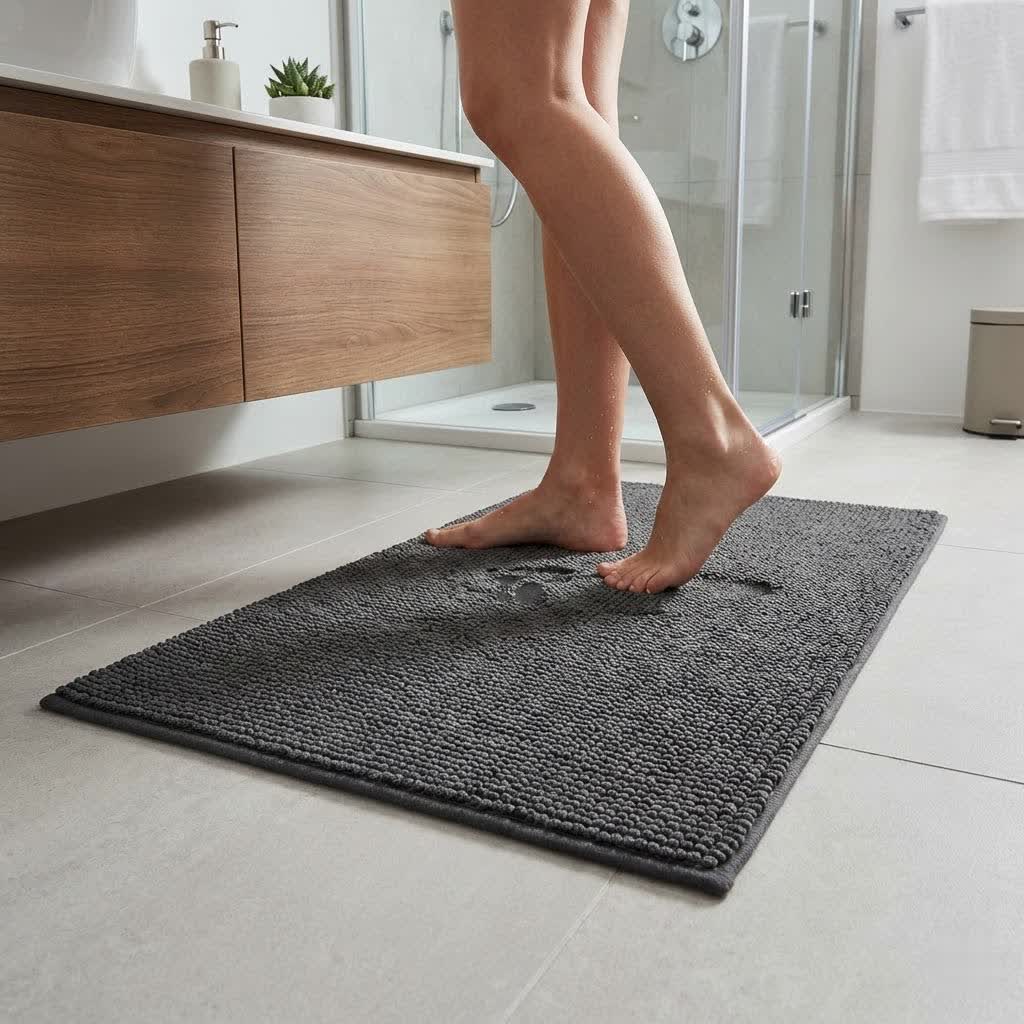
Stepping out of a warm shower onto a cold, slippery floor is a jarring experience no one enjoys. A well-chosen bath mat transforms this moment into one of comfort and safety, acting as a crucial element in your bathroom’s functionality and aesthetic. Far more than just a decorative piece, the right bath mat prevents slips, absorbs excess water, and keeps your bathroom floors hygienic. With a myriad of options available, from plush fabrics to natural woods, understanding the key features will empower you to select the ideal bath mat that caters to your family’s needs and complements your home’s style.
What is a Bath Mat and Why Do You Need One?
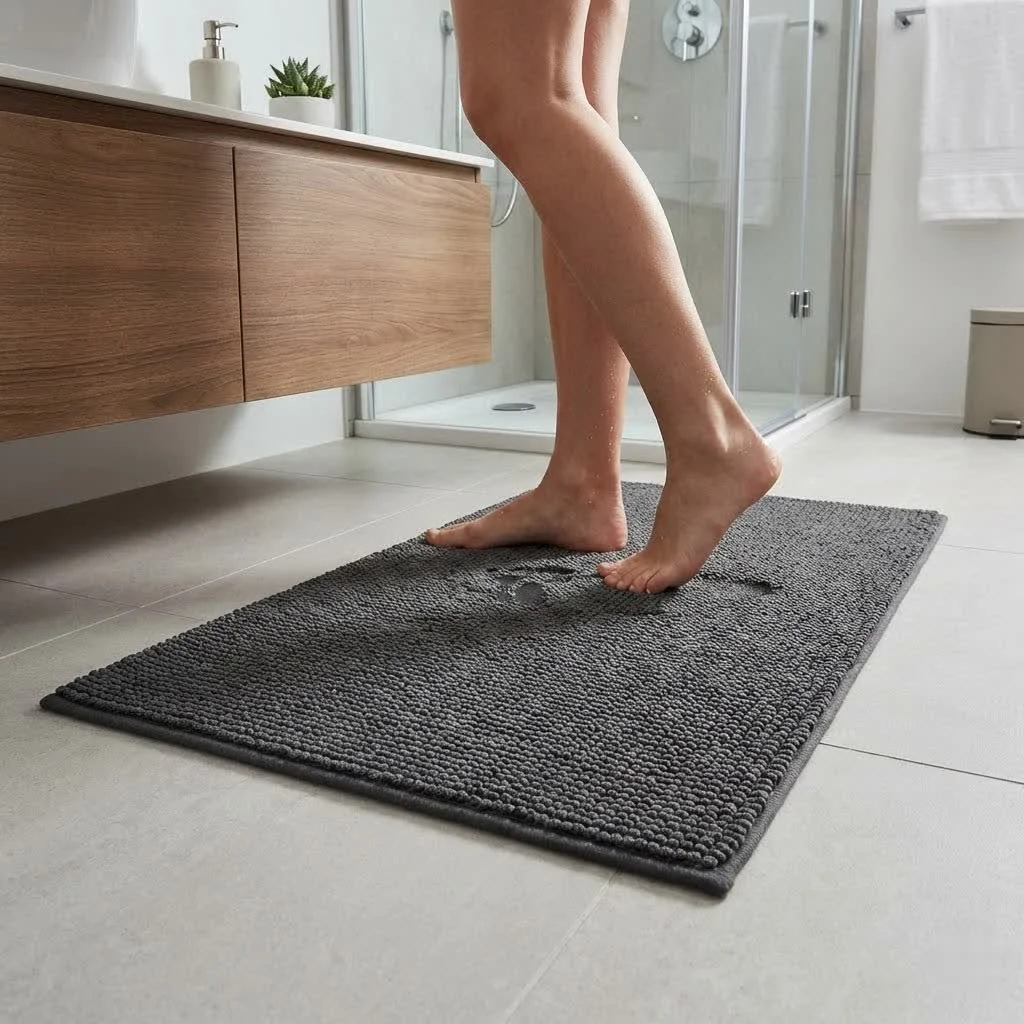
A bath mat serves as an indispensable accessory for any bathroom, strategically placed outside the shower, bathtub, or in front of the sink. Its primary function is to absorb water, providing a dry and secure surface for bare feet, thus significantly reducing the risk of accidental slips and falls on wet, tiled floors. Beyond safety, bath mats contribute to a cleaner bathroom by containing splashes and drips, protecting your flooring from water damage and dampness that can lead to mildew and odors. From an aesthetic perspective, a thoughtfully selected bath mat can instantly elevate your bathroom’s decor, adding a touch of warmth, texture, and color that ties the entire space together.
Popular Types of Bath Mats
Understanding the diverse range of bath mat materials is key to making an informed choice, as each offers unique benefits and drawbacks.
-
Cotton Bath Mats: Known for their natural softness and excellent absorbency, cotton bath mats provide a classic, cozy feel underfoot. They are a popular choice for their natural fibers and ease of cleaning, often being machine washable. However, cotton can take longer to dry than synthetic alternatives, potentially leading to mildew if not properly aired out. They are ideal for those who prioritize a traditional, soft, and highly absorbent mat that can be regularly washed with other towels.
-
Microfiber Bath Mats: Microfiber mats are celebrated for their exceptional absorbency and quick-drying properties. Made from synthetic fibers, they are incredibly plush and soft, creating a luxurious, spa-like feel. While highly effective at soaking up water and drying rapidly, microfiber can sometimes attract dust and lint, requiring frequent washing. These mats are best suited for high-traffic bathrooms or humid environments where quick drying is a top priority.
-
Memory Foam Bath Mats: Offering unparalleled cushioning and support, memory foam bath mats conform to the shape of your feet, providing a soft, resilient surface. They are highly absorbent, creating a comfortable barrier against cold bathroom floors. However, due to their dense construction, memory foam mats can take longer to dry, making proper ventilation crucial to prevent moisture buildup. They are an excellent choice for those seeking therapeutic comfort and a luxurious feel, often preferred in master bathrooms.
-
Bamboo/Wood Bath Mats: For an eco-conscious and spa-inspired aesthetic, bamboo or teak wood mats offer a unique alternative. These mats do not absorb water in the traditional sense; instead, they allow water to drain through, drying quickly and naturally resisting mold and mildew due to their inherent properties. While they lack the plush softness of fabric mats, they provide a firm, stable surface and are exceptionally durable. They are perfect for those who appreciate a minimalist design, natural materials, and easy, low-maintenance care.
-
Rubber/PVC Bath Mats: Primarily designed for maximum non-slip safety, rubber or PVC mats are highly effective at providing grip on slippery surfaces. They are non-absorbent, making them incredibly easy to wipe clean and highly resistant to mildew. Often seen inside showers or bathtubs, their less decorative appearance and lack of absorbency mean they are typically chosen for their functional safety aspects rather than aesthetic appeal. These are a practical choice for households with children or elderly individuals where slip prevention is paramount.
-
Chenille Bath Mats: Characterized by their soft, velvety texture, chenille bath mats are made from a blend of fibers (often cotton, silk, or synthetic). They are known for their plushness and good absorbency, adding a touch of elegance and comfort to the bathroom. Chenille mats are durable and often machine washable, making them a stylish yet practical option.
Comparing Popular Bath Mat Types
|
Our Picks for the Best Bath Mat in 2026
As an Amazon Associate I earn from qualifying purchases.
|
||
| Num | Product | Action |
|---|---|---|
| 1 | OLANLY Bathroom Rugs 30x20, Extra Soft Absorbent Chenille Bath Rugs, Rubber Backing Quick Dry, Machine Washable Bath Mats for Bathroom Floor, Tub and Shower, Home Decor Accessories, Grey |

|
| 2 | Amazon Basics Premium 100% Cotton, Absorbent Soft Bath Mat, Machine Washable, 684 GSM, White, 30" x 20" Hotel Spa Shower/Bathtub Mats, Pack of 6 |
|
| 3 | GORILLA GRIP Bath Rug Mat, Thick Soft Absorbent Chenille, Quick Dry Microfiber Mats, Rubber Backing Washable Shower Floor Rugs, US Designed Bathroom Bathmat Home Decor Accessories, 24x17, Grey |
|
| 4 | OLANLY Black Bathroom Rug 30x20, Extra Soft Absorbent Chenille Bath Rugs, Rubber Backing Quick Dry, Machine Washable Bath Mats for Bathroom Floor, Tub and Shower, Home Decor Accessories |
|
| 5 | Amazon basics cotton washcloths, Lightweight quick-dry, 12" x 12", 12-pack, white |
|
| 6 | OLANLY Bathroom Rugs 30x20, Extra Soft Absorbent Chenille Bath Rugs, Rubber Backing Quick Dry, Machine Washable Bath Mats for Bathroom Floor, Tub and Shower, Home Decor Accessories, Navy |
|
| 7 | Amazon Basics Fast Drying Cotton Washcloths for Bathroom, Machine Washable, Soft and Highly Absorbent, 12 x 12 in, White, 24-Pack |
|
| 8 | OLANLY Bathroom Rugs 30x20, Extra Soft Absorbent Chenille Bath Rugs, Rubber Backing Quick Dry, Machine Washable Bath Mats for Bathroom Floor, Tub and Shower, Home Decor Accessories, Beige |
|
| 9 | OLANLY Bathroom Rugs 30x20, Extra Soft Absorbent Chenille Bath Rugs, Rubber Backing Quick Dry, Machine Washable Bath Mats for Bathroom Floor, Tub and Shower, Home Decor Accessories, Sage Green |
|
| 10 | OLANLY Bathroom Rugs 30x20, Extra Soft Absorbent Chenille Bath Rugs, Rubber Backing Quick Dry, Machine Washable Bath Mats for Bathroom Floor, Tub and Shower, Home Decor Accessories, Light Grey |
|
| Type of Mat | Pros | Cons | Durability | Absorbency | Price Range |
|---|---|---|---|---|---|
| Cotton | Soft, natural, good absorbency, easy to clean | Can dry slowly, may be prone to mildew if not dried properly | Medium | Good | Low-Medium |
| Microfiber | Highly absorbent, quick-drying, plush, soft | Can attract dust and lint, requires regular washing | High | Very Good | Medium |
| Memory Foam | Excellent cushioning, provides support, comfortable | Dries slower due to density, can be bulky, needs good ventilation | High | Good | Medium-High |
| Bamboo/Wood | Eco-friendly, naturally anti-bacterial/mold-resistant, quick-drying (surface) | Not soft, hard underfoot, less overall water absorption | High | Low (surface run-off) | Medium-High |
| Rubber/PVC | Superior non-slip, very easy to clean, highly durable, mildew resistant | Not absorbent, less aesthetic, can feel cold | Very High | Poor | Low |
| Chenille | Plush, soft, good absorbency, luxurious feel, stylish | Can attract dust, requires regular washing | High | Very Good | Medium |
Factors to Consider When Buying a Bath Mat
Choosing the perfect bath mat involves balancing several key considerations to ensure it meets your functional needs and complements your bathroom’s style.
-
Material: Your choice of material dictates absorbency, drying time, texture, and care requirements. Consider cotton for natural softness, microfiber for rapid drying, memory foam for cushioned comfort, or bamboo for a spa-like, low-maintenance option. The best material aligns with your priorities, whether it’s maximum absorbency, quick drying, or luxurious feel.
-
Size: Measure the area where the bath mat will be placed to ensure a perfect fit. For small bathrooms or placement directly outside the shower/tub, a standard mat (e.g., 17″x24″ or 20″x30″) is ideal. Larger bathrooms or areas in front of double sinks might benefit from runner-style mats or multiple smaller mats to create a cohesive look and offer more coverage.
-
Absorbency: A high level of absorbency is crucial for safety and hygiene, preventing puddles and keeping your floor dry. Materials like microfiber and cotton are excellent choices for their ability to quickly soak up water, minimizing slip hazards.
-
Safety Features (Non-slip): This is a non-negotiable factor, especially on smooth, tiled bathroom floors. Look for mats with a secure non-slip backing made from rubber, TPR (thermoplastic rubber), or other adhesive materials to prevent the mat from shifting underfoot. This is particularly important for households with children, the elderly, or anyone prone to slips.
-
Durability: A good quality bath mat should withstand frequent use and washing without losing its shape, color, or effectiveness. Mats with robust stitching and durable backings will offer a longer lifespan. Avoid rubber backings that are prone to flaking after a few washes and opt for high-quality alternatives.
-
Ease of Cleaning: For most fabric bath mats, machine washability is a significant advantage, allowing for effortless maintenance and hygiene. For non-fabric options like bamboo or rubber, consider how easily they can be wiped down or rinsed to prevent mildew and grime buildup.
-
Color and Design: The bath mat is an opportunity to enhance your bathroom’s aesthetic. Choose colors and patterns that complement your existing decor, towels, and shower curtain. Whether you prefer a bold statement, a soothing solid, or a textured design, the right mat can tie the room together beautifully.
-
Brand Reputation: While not explicitly listed in the search results, selecting bath mats from reputable brands often ensures higher quality materials, better construction, and reliable safety features. Researching customer reviews can also provide valuable insights into a product’s real-world performance and longevity.
Bath Mat Price Ranges
Bath mats are available across a spectrum of prices, catering to various budgets and preferences.
-
Budget-Friendly (Under $15-$20): This segment typically includes basic cotton or thinner microfiber mats, as well as simple rubber or PVC non-slip options. They offer essential functionality and are ideal for those seeking practicality without a significant investment. While functional, they might have a shorter lifespan or less luxurious feel.
-
Mid-Range ($20-$50): This popular price point offers a great balance of features, comfort, and style. You’ll find thicker, more plush microfiber and memory foam options, as well as higher-quality cotton mats with enhanced absorbency and durability. These mats often come with effective non-slip backings and a wider array of designs and colors.
-
Premium/Luxury ($50+): At the higher end, you’ll discover bath mats crafted from premium materials like organic cotton, dense chenille, high-grade memory foam with removable covers, or meticulously crafted bamboo/teak wood. These mats boast superior absorbency, exceptional softness, advanced anti-slip features, and sophisticated designs, transforming your bathroom into a true spa-like retreat.
Top Picks: Our Favorite Bath Mats
While specific product recommendations are outside this guide, certain types consistently receive high marks for performance and popularity. Highly absorbent microfiber bath mats are a favorite for their quick-drying capabilities and plush feel, making them ideal for busy households. For those prioritizing luxury and comfort, dense memory foam bath mats with robust non-slip backings offer an indulgent experience. Classic, thick cotton bath mats remain a timeless choice for their natural softness and reliable absorbency, especially when made with quality fibers that can withstand frequent washing.
Tips for Cleaning and Maintaining Your Bath Mat
Proper care is essential to extend the life of your bath mat, maintain its hygiene, and prevent the growth of mold and mildew.
- Regular Washing: Most fabric bath mats (cotton, microfiber, chenille) are machine washable. Check the care label for specific instructions, but generally, washing in cold water on a gentle cycle with mild detergent is recommended.
- Avoid Fabric Softener: For absorbent mats, avoid using fabric softener as it can reduce their absorbency over time.
- Drying is Key: For fabric mats, air drying is often the best method, especially for those with rubber backings, as high heat from a dryer can degrade the anti-slip material, causing it to crack or flake. If using a dryer, opt for a low-heat or air-fluff setting. Hang mats over a shower rod or clothesline to ensure thorough drying. Bamboo and rubber mats can typically be wiped clean or rinsed and allowed to air dry.
- Prevent Mildew: Always ensure your bath mat is completely dry before placing it back on the floor or storing it. In humid environments, consider hanging the mat after each use to promote air circulation.
- Frequency: Aim to wash fabric bath mats at least once a week, or more frequently if used in a high-traffic bathroom or by multiple people.
“A good bath mat isn’t just about stepping onto something soft; it’s about stepping out safely, keeping your bathroom pristine, and adding a touch of intentional design to a highly functional space.”
Conclusion
Choosing the perfect bath mat is a small decision that yields significant comfort, safety, and aesthetic benefits for your bathroom. By considering factors like material, absorbency, non-slip features, and ease of cleaning, you can select a product that not only withstands the daily rigors of a humid environment but also enhances your overall bathroom experience. Whether you seek the plush luxury of memory foam, the natural elegance of bamboo, or the classic comfort of cotton, an informed choice ensures your investment provides lasting satisfaction. Ready to transform your bathroom into a safer, more stylish sanctuary?
Frequently Asked Questions
What is the difference between a bath mat and a bath rug?
While often used interchangeably, bath mats are typically designed for primary function—absorbing water and preventing slips directly outside the shower or tub. Bath rugs, on the other hand, usually prioritize comfort and decorative style, often being larger and more plush, used to enhance the overall aesthetic of the bathroom, sometimes near sinks or vanities.
How often should you wash a bath mat?
For optimal hygiene and to prevent mildew, most fabric bath mats should be washed at least once a week. In bathrooms with heavy usage or high humidity, more frequent washing may be necessary. Non-fabric mats like bamboo or rubber can be wiped clean more regularly.
Can you put a bath mat in the dryer?
It depends on the mat’s material and backing. Many fabric bath mats can be machine dried on a low-heat or air-fluff setting. However, mats with rubber or PVC backings should ideally be air-dried to prevent the backing from deteriorating, cracking, or flaking due to high heat. Always check the care label.
What is the best material for a quick-drying bath mat?
Microfiber is widely considered the best material for a quick-drying bath mat due to its synthetic fibers and high surface area, which allow it to absorb moisture efficiently and release it rapidly. Bamboo or wooden mats also dry quickly as they allow water to drain rather than soak in.
How do I choose the right size bath mat for my bathroom?
To choose the right size, measure the space where the mat will be placed, considering its function. A standard mat (17″x24″ or 20″x30″) works well directly outside a shower or tub. For larger areas or in front of double sinks, a runner-style mat or a larger rug (20″x47″ or 20″x59″) might be more suitable to provide broader coverage and a more balanced look.
Get our weekly buyer guide
Practical specs, not advice. Unsubscribe anytime.
