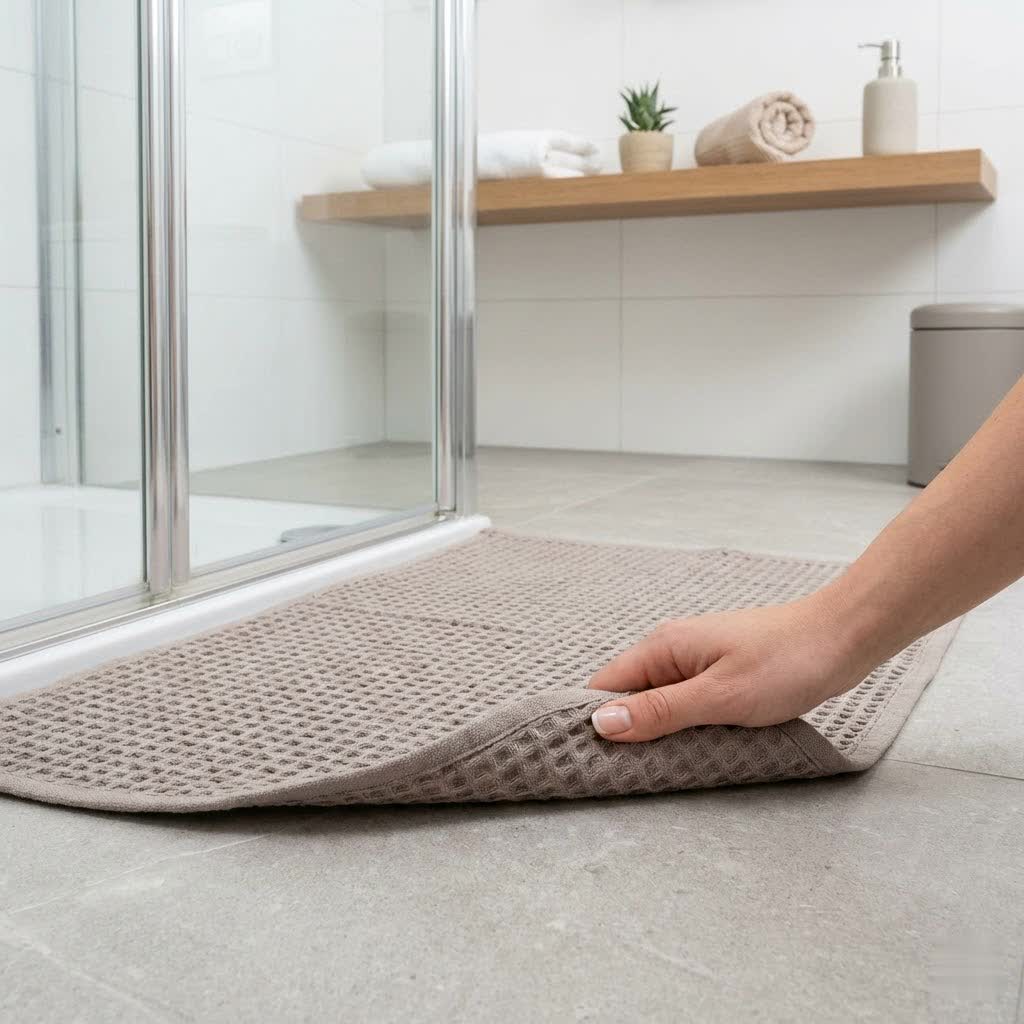
Stepping out of a warm shower into a cold, wet bathroom can instantly break the post-bath bliss. But what if that first step could be transformed into an indulgent experience, landing on a mat that’s not only super absorbent and safe but also a stylish statement piece? Welcome to the world of scalloped bath mats, where functionality meets exquisite design. These charming mats are more than just practical necessities; they are a burgeoning trend in home decor, adding a touch of timeless elegance and whimsical charm to any bathroom space. Are you ready to discover how to pick the scalloped bath mat that will redefine your bathroom aesthetic and comfort?
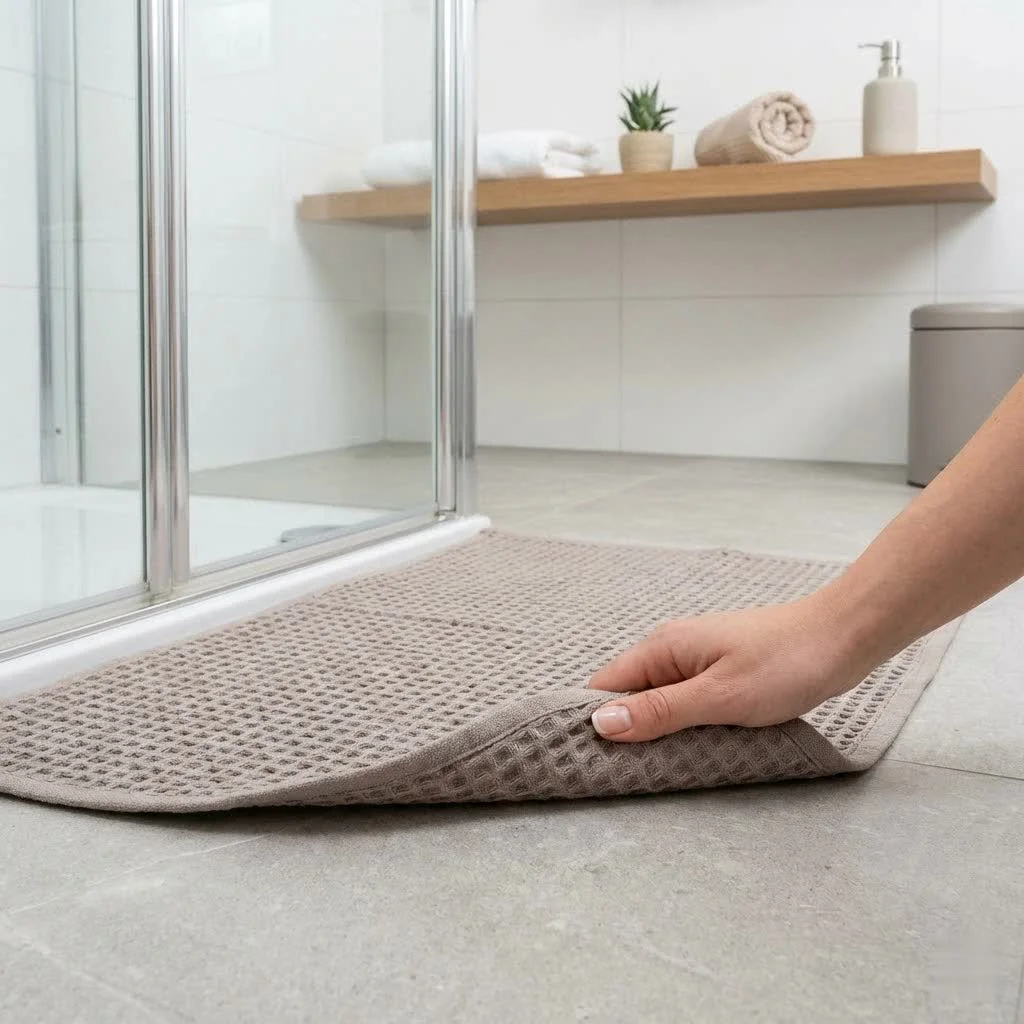
What is a Scalloped Bath Mat and Why You Need One?
A scalloped bath mat is distinguished by its unique, wavy, or shell-like edge, offering a delightful departure from traditional straight-lined mats. This decorative trim elevates a simple bathroom accessory into a focal point, bringing a curated and sophisticated feel to your space. Their recent surge in popularity is rooted in a broader interior design shift towards “soft minimalism” – an aesthetic that favors gentle curves, cozy textures, and fluid forms over harsh lines and cold utilitarianism.
Beyond their undeniable aesthetic appeal, scalloped bath mats fulfill all the essential functions of any quality bath mat. They provide a safe, non-slip surface to prevent accidents on wet floors, absorb excess water to keep your bathroom dry and hygienic, and offer a soft, comfortable landing for your feet. By combining practical benefits with an elegant design, a scalloped bath mat transforms your bathroom from merely functional to a serene and stylish retreat.
Popular Types of Scalloped Bath Mats
While the defining characteristic of a scalloped bath mat is its decorative edge, the material it’s made from significantly impacts its feel, performance, and durability. Scalloped designs are most commonly found in fabric types, prioritizing plushness and absorbency.
Scalloped Cotton Bath Mats
Cotton remains a perennial favorite for bath mats, and scalloped designs made from this natural fiber are particularly sought after for their luxurious feel and excellent performance.
- Advantages: Cotton scalloped mats are incredibly soft, highly absorbent, and breathable, making them comfortable underfoot and relatively quick-drying. Varieties like organic cotton and long-staple cotton enhance these qualities, offering superior softness and durability. Many cotton mats also feature high GSM (grams per square meter) counts, such as 1500 GSM or 1900 GSM, indicating a denser, more plush, and luxurious feel [cite: 4, 5 (West Elm)].
- Disadvantages: Compared to synthetic alternatives, cotton can sometimes take longer to dry completely and may be more prone to mildew if not properly cared for.
- Best for: Those who prioritize a natural, plush feel, excellent absorbency, and timeless elegance.
Scalloped Microfiber Bath Mats
|
Our Picks for the Best Bath Mat in 2026
As an Amazon Associate I earn from qualifying purchases.
|
||
| Num | Product | Action |
|---|---|---|
| 1 | Amazon basics cotton washcloths, Lightweight quick-dry, 12" x 12", 12-pack, white |

|
| 2 | OLANLY Bathroom Rugs 30x20, Extra Soft Absorbent Chenille Bath Rugs, Rubber Backing Quick Dry, Machine Washable Bath Mats for Bathroom Floor, Tub and Shower, Home Decor Accessories, Light Grey |
|
| 3 | Amazon Basics Premium 100% Cotton, Absorbent Soft Bath Mat, Machine Washable, 684 GSM, White, 30" x 20" Hotel Spa Shower/Bathtub Mats, Pack of 6 |
|
| 4 | OLANLY Bathroom Rugs 30x20, Extra Soft Absorbent Chenille Bath Rugs, Rubber Backing Quick Dry, Machine Washable Bath Mats for Bathroom Floor, Tub and Shower, Home Decor Accessories, Beige |
|
| 5 | GORILLA GRIP Bath Rug Mat, Thick Soft Absorbent Chenille, Quick Dry Microfiber Mats, Rubber Backing Washable Shower Floor Rugs, US Designed Bathroom Bathmat Home Decor Accessories, 24x17, Grey |
|
| 6 | OLANLY Bathroom Rugs 30x20, Extra Soft Absorbent Chenille Bath Rugs, Rubber Backing Quick Dry, Machine Washable Bath Mats for Bathroom Floor, Tub and Shower, Home Decor Accessories, Navy |
|
| 7 | OLANLY Bathroom Rugs 30x20, Extra Soft Absorbent Chenille Bath Rugs, Rubber Backing Quick Dry, Machine Washable Bath Mats for Bathroom Floor, Tub and Shower, Home Decor Accessories, Sage Green |
|
| 8 | Amazon Basics Fast Drying Cotton Washcloths for Bathroom, Machine Washable, Soft and Highly Absorbent, 12 x 12 in, White, 24-Pack |
|
| 9 | OLANLY Bathroom Rugs 30x20, Extra Soft Absorbent Chenille Bath Rugs, Rubber Backing Quick Dry, Machine Washable Bath Mats for Bathroom Floor, Tub and Shower, Home Decor Accessories, Grey |
|
| 10 | OLANLY Black Bathroom Rug 30x20, Extra Soft Absorbent Chenille Bath Rugs, Rubber Backing Quick Dry, Machine Washable Bath Mats for Bathroom Floor, Tub and Shower, Home Decor Accessories |
|
Microfiber offers a synthetic alternative that excels in absorbency and quick-drying properties, making it a practical choice for busy bathrooms.
- Advantages: Microfiber scalloped mats are known for their exceptional absorbency and rapid drying capabilities, which helps prevent moisture buildup and potential mold growth [cite: 3 (cleaning results)]. They are often very soft, lightweight, and durable, standing up well to frequent washing.
- Disadvantages: While soft, some may prefer the natural feel of cotton. Microfiber can also sometimes attract more lint and dust.
- Best for: Households needing a highly absorbent, fast-drying, and easy-to-clean option, especially in humid environments.
Other Materials
While less common for scalloped designs, some bath mats may incorporate elements like memory foam for added cushioning or polyester blends for enhanced stain resistance and vibrant colors. However, the scalloped edge typically shines brightest on plush, fabric-based materials like cotton and microfiber.
Scalloped Bath Mat Comparison Chart
To help you navigate the choices, here’s a quick comparison of common materials used for scalloped bath mats:
| Type of Scalloped Mat | Advantages | Disadvantages | Durability | Absorbency | Price Range |
|---|---|---|---|---|---|
| Cotton | Soft, plush, natural, highly absorbent | Slower drying, can be prone to mildew | Medium-High | Very Good | Mid-High |
| Microfiber | Super absorbent, fast-drying, durable, soft | Can attract lint | High | Excellent | Low-Mid |
| Memory Foam (with fabric cover) | Highly cushioned, very soft, good support | Takes longer to dry, heavier | Medium | Good | Mid-High |
Factors to Consider When Buying Your Perfect Scalloped Bath Mat
Choosing the right scalloped bath mat involves balancing aesthetics with practical considerations. Here’s a detailed guide to ensure you make the best choice for your home.
Material: The Foundation of Comfort and Function
As discussed, cotton and microfiber are the primary choices for scalloped bath mats. Consider 100% organic cotton for a natural, ultra-soft, and eco-friendly option. Look for high GSM (grams per square meter) — anything above 1000 GSM typically indicates a thick, luxurious, and highly absorbent mat [cite: 4, 5 (West Elm)]. For quick-drying needs, especially in bathrooms with limited ventilation, microfiber can be an excellent choice.
Size and Placement: Fitting Your Space
Before purchasing, measure the area where your bath mat will reside. Do you need a single mat for stepping out of the shower, or a larger rug to anchor the vanity area? Scalloped mats come in various sizes (e.g., 20×32 inches, 17×24 inches) [cite: 3, 1 (Home Depot)]. Consider if you want multiple scalloped mats to create a cohesive look around different bathroom fixtures. A well-sized mat enhances both safety and aesthetics.
Absorbency and Quick-Drying Capabilities: Staying Dry and Fresh
The primary job of a bath mat is to soak up water. Look for materials known for high absorbency, such as cotton and microfiber, combined with features like a dense pile. A quick-drying mat is crucial for hygiene, preventing dampness that can lead to mildew and odors. Some mats feature hanging loops, which facilitate faster drying between uses [cite: 4 (weezie bundle)].
Safety: Non-Slip Backing is Key
A slippery bath mat is a hazard. Ensure your chosen scalloped bath mat features a robust non-slip backing, often made from TPR rubber. This is especially important for households with children, the elderly, or anyone prone to slips. The backing should keep the mat firmly in place, even on wet tile floors.
Durability: A Long-Lasting Investment
A good bath mat should withstand daily use and frequent washing. High-quality materials like long-staple cotton and durable microfiber, combined with strong stitching and effective non-slip backings, contribute to a mat’s longevity. Checking customer reviews for insights into how well a mat holds up over time can also be beneficial.
Ease of Cleaning: Low Maintenance, High Hygiene
Given their exposure to moisture and foot traffic, bath mats need regular cleaning. Prioritize mats labeled as machine washable. Detailed cleaning instructions should be followed to maintain the mat’s integrity, especially its color and non-slip backing.
Style and Aesthetic: Embracing the Scalloped Charm
This is where scalloped bath mats truly shine. Their wavy edge adds a soft, inviting, and sophisticated touch.
- Colors: Neutral scalloped mats (ivory, beige, soft grey) offer texture without clashing in a colorful bathroom, creating a rustic charm [cite: 1 (trends)]. Bold colors or classic blue and white combinations can add a vibrant or timeless feel [cite: 2 (trends)].
- Design Integration: Scalloped mats blend beautifully with trends like “soft minimalism” and can even complement an Art Deco aesthetic when paired with luxe materials and brass fixtures [cite: 1 (trends)]. Consider how the mat’s color and texture will integrate with your existing towels, shower curtain, and overall bathroom decor.
Brand Reputation: Trust in Quality
While not directly yielding specific “top picks,” reputable brands often invest in higher quality materials and construction. Brands specializing in home linens are generally a good starting point for ensuring reliability.
Price Ranges for Scalloped Bath Mats
The price of a scalloped bath mat can vary significantly based on material, size, brand, and design complexity.
- Budget-Friendly (Under $30): You can find basic scalloped designs, often made from microfiber or cotton blends, in smaller sizes. These offer the aesthetic appeal without a high investment but may compromise on plushness or long-term durability.
- Mid-Range ($30 – $70): This segment offers a wide variety of cotton and higher-quality microfiber options. You’ll likely find mats with better GSM, more intricate scalloped detailing, and reliable non-slip backings. This is often the sweet spot for balancing quality and affordability.
- Premium ($70+): High-end scalloped bath mats, particularly those made from 100% organic, long-staple cotton with very high GSM (e.g., 1500+), often fall into this category. These typically boast superior softness, absorbency, durability, and craftsmanship, often from designer brands [cite: 5 (West Elm), 4 (Weezie)].
Top Picks: Embracing the Scalloped Trend in Your Bathroom
While specific product recommendations can quickly become outdated, understanding the characteristics that define a “top pick” in scalloped bath mats will help you make an informed decision. Look for mats that combine exceptional comfort, robust functionality, and captivating design.
A highly-rated scalloped bath mat will often feature a luxuriously soft and thick pile, providing an indulgent feel underfoot. Many users praise mats with a high GSM (e.g., 1500 GSM to 1900 GSM), indicating superior plushness and absorbency that rivals luxury hotel linens [cite: 4, 5 (West Elm)]. Effective non-slip backing made of TPR rubber is a non-negotiable feature, ensuring safety and stability. Materials like 100% organic or long-staple cotton are frequently highlighted for their natural softness, quick-drying properties, and environmental benefits. Furthermore, the best scalloped mats offer durability and ease of care, being machine washable and maintaining their shape and color after repeated cycles. Whether you choose a subtly textured neutral or a vibrantly colored piece, a top-tier scalloped bath mat delivers both visual charm and a truly pampering experience.
Tips for Cleaning and Maintaining Your Scalloped Bath Mat
Proper care is essential to keep your scalloped bath mat looking fresh, feeling soft, and performing effectively for years to come.
Regular Maintenance
- Shake it out: Regularly take your mat outside and give it a good shake to remove loose dirt, hair, and debris [cite: 1, 2 (cleaning)].
- Vacuum: For fabric mats, a quick vacuum with a hose attachment can help remove settled dust and dirt between washes [cite: 3 (cleaning)].
Machine Washing (for most fabric mats)
- Pre-treat stains: Address any visible stains with a spot remover or a mixture of mild detergent and water before washing [cite: 1, 3 (cleaning)].
- Use cold water: Wash in cold water on a gentle cycle to protect the fabric and the integrity of any rubber backing [cite: 1, 3 (cleaning)].
- Use mild detergent: Opt for a mild laundry detergent.
- Avoid harsh chemicals: Steer clear of bleach and fabric softener, as they can break down rubber backings and diminish absorbency [cite: 1, 3 (cleaning)]. If you need to tackle tough stains, oxygenated bleach can be used carefully, but always check the care label and consider the backing [cite: 1 (cleaning)].
- Balance the load: Wash your bath mat with a couple of towels to balance the load in the washing machine and ensure a thorough clean [cite: 1, 5 (cleaning)].
Drying Your Scalloped Bath Mat
- Air dry is best: Line drying or hanging your mat in a well-ventilated area is highly recommended, especially for mats with rubber backings, as high heat can damage them [cite: 1, 3 (cleaning)].
- Ensure complete dryness: Make sure the mat is completely dry before returning it to the floor to prevent mold and mildew growth [cite: 5 (cleaning)]. Dampness, particularly in the scalloped edges, can harbor unwanted microbes.
- Low heat tumble dry: If machine drying is necessary and indicated on the care label, use the lowest heat setting [cite: 5 (cleaning)].
Tackling Specific Issues
- Odors: To neutralize odors, sprinkle baking soda on the mat, let it sit for 15-20 minutes, then vacuum it up. Alternatively, add a cup of white vinegar to the rinse cycle when washing [cite: 3 (cleaning)].
- Mold and Mildew: For stubborn mold or mildew, wash the mat in hot water with a disinfectant cleaner or add a cup of white vinegar to the wash cycle [cite: 3 (cleaning)].
“A good bath mat doesn’t just prevent slips; it’s an essential element of bathroom comfort, adding warmth and style to your daily routine.” – Nguyễn Thị An, Interior Design Expert
Conclusion
A scalloped bath mat offers a beautiful blend of practical utility and elegant design, transforming a simple necessity into a sophisticated accent for your bathroom. By understanding the importance of materials like plush cotton and quick-drying microfiber, considering essential features like non-slip backings and high absorbency, and following proper care instructions, you can select a mat that not only enhances safety and hygiene but also elevates your bathroom’s aesthetic. The distinctive wavy edge adds a timeless charm, making every step out of the shower a moment of soft, stylish indulgence.
Ready to infuse your bathroom with a touch of playful elegance? Which material and color will you choose to make your scalloped bath mat the star of your refreshed space?
Frequently Asked Questions
Why are scalloped bath mats currently so popular?
Scalloped bath mats are trending because they align with the “soft minimalism” design movement, which favors gentle curves and cozy textures over harsh lines. Their timeless, whimsical edge adds a touch of elegance and personality, making them both fashionable and functional in modern bathroom decor.
What is the best material for a scalloped bath mat?
The “best” material depends on your priorities. Cotton, especially organic or long-staple varieties with high GSM, is excellent for luxurious softness, comfort, and absorbency. Microfiber is ideal if you need a mat that is super absorbent and dries very quickly, making it great for high-traffic or humid bathrooms.
Can you machine wash scalloped bath mats?
Most fabric scalloped bath mats are machine washable. It is generally recommended to wash them in cold water on a gentle cycle with mild detergent. Always avoid bleach and fabric softener, especially if the mat has a rubber backing, as these can cause damage. Line drying is often preferred.
How do I style a scalloped bath mat in a modern bathroom?
To style a scalloped bath mat in a modern bathroom, consider neutral colors like ivory, beige, or grey to add texture without overwhelming the space. Pair it with rattan accessories for a rustic feel, or integrate it into an Art Deco theme with brass fixtures and jewel-toned towels. Its curved lines naturally complement other organic shapes in your decor.
Are scalloped bath mats durable?
Yes, high-quality scalloped bath mats made from durable materials like long-staple cotton or sturdy microfiber, and featuring robust construction and non-slip backings, can be very durable. Proper care, including adherence to washing instructions and air drying, will significantly extend their lifespan.
Get our weekly buyer guide
Practical specs, not advice. Unsubscribe anytime.
