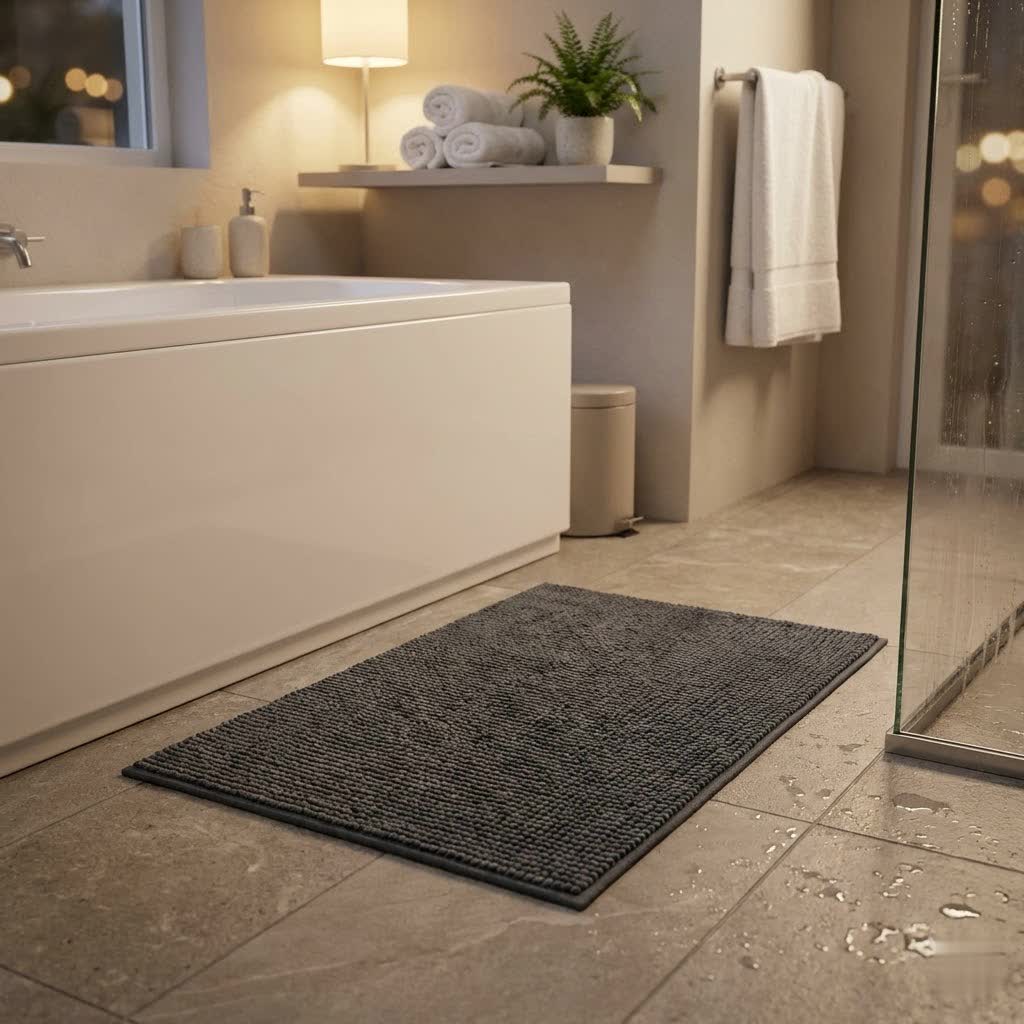
Stepping out of a warm shower onto a cold, slippery floor is far from ideal. A bath mat isn’t just a simple accessory; it’s a vital component of a safe, comfortable, and stylish bathroom, especially in smaller spaces where every inch counts. As an admin of reviewbarang.com with over a decade of experience in home goods, particularly floor coverings, I understand the critical elements that make a bath mat truly exceptional—from absorbency and durability to safety and comfortLet’s examine everything you need to know to select the ideal small bath mat for your home.
What is a Bath Mat and Why Do You Need One?
A bath mat is a piece of absorbent material placed on the bathroom floor, typically outside the shower, bathtub, or near the vanity. Its primary function is to absorb water, preventing slips and falls on wet tiles. Beyond safety, bath mats contribute to hygiene by keeping floors dry and can significantly enhance your bathroom’s aesthetic appeal, adding warmth and texture. In compact bathrooms, a well-chosen small bath mat can even create an illusion of more space.
Popular Types of Small Bath Mats
The material of your bath mat dictates its feel, absorbency, drying time, and overall durability. Understanding the characteristics of each type will help you make an informed decision for your small bathroom.
- Cotton Bath Mats: Known for their plush softness and excellent absorbency, cotton mats offer a luxurious feel underfoot. They are typically machine-washable, making them easy to clean. However, cotton can take longer to dry, potentially leading to mildew if not properly aired out. They are best suited for those prioritizing comfort and a natural feel.
- Microfiber Bath Mats: These mats are celebrated for their super-absorbent and quick-drying properties, making them ideal for busy households or small bathrooms where quick drying is essential. Microfiber is soft, lightweight, and generally easy to clean, often being machine-washable. A slight drawback might be their tendency to attract dust more readily than other materials.
- Bamboo/Wooden Bath Mats: Offering a spa-like aesthetic, bamboo or wooden mats are naturally antimicrobial and highly durable. They don’t absorb water but rather allow it to drain through, drying quickly. While great for hygiene and a minimalist look, they lack the soft, plush feel of fabric mats and might not be as comfortable for prolonged standing.
- Rubber/PVC Bath Mats: These are the champions of non-slip safety, often featuring suction cups to firmly grip the floor or inside the tub. They are waterproof and exceptionally easy to clean—simply wipe them down. However, they offer little to no absorbency and can feel less “cozy” than fabric options. They are perfect for maximizing slip resistance, especially for children or the elderly.
- Diatomaceous Earth/Stone Bath Mats: A more modern innovation, these rigid mats are made from natural diatomaceous earth, which is highly porous and absorbs water almost instantly, drying within minutes. They are naturally anti-bacterial and mold-resistant. While incredibly efficient and hygienic, they are firm and lack the soft comfort of traditional mats.
Comparing Small Bath Mat Types
|
Our Picks for the Best Bath Mat in 2026
As an Amazon Associate I earn from qualifying purchases.
|
||
| Num | Product | Action |
|---|---|---|
| 1 | Amazon Basics Premium 100% Cotton, Absorbent Soft Bath Mat, Machine Washable, 684 GSM, White, 30" x 20" Hotel Spa Shower/Bathtub Mats, Pack of 6 |

|
| 2 | Amazon basics cotton washcloths, Lightweight quick-dry, 12" x 12", 12-pack, white |
|
| 3 | OLANLY Bathroom Rugs 30x20, Extra Soft Absorbent Chenille Bath Rugs, Rubber Backing Quick Dry, Machine Washable Bath Mats for Bathroom Floor, Tub and Shower, Home Decor Accessories, Beige |
|
| 4 | OLANLY Bathroom Rugs 30x20, Extra Soft Absorbent Chenille Bath Rugs, Rubber Backing Quick Dry, Machine Washable Bath Mats for Bathroom Floor, Tub and Shower, Home Decor Accessories, Light Grey |
|
| 5 | OLANLY Bathroom Rugs 30x20, Extra Soft Absorbent Chenille Bath Rugs, Rubber Backing Quick Dry, Machine Washable Bath Mats for Bathroom Floor, Tub and Shower, Home Decor Accessories, Sage Green |
|
| 6 | OLANLY Bathroom Rugs 30x20, Extra Soft Absorbent Chenille Bath Rugs, Rubber Backing Quick Dry, Machine Washable Bath Mats for Bathroom Floor, Tub and Shower, Home Decor Accessories, Navy |
|
| 7 | Amazon Basics Fast Drying Cotton Washcloths for Bathroom, Machine Washable, Soft and Highly Absorbent, 12 x 12 in, White, 24-Pack |
|
| 8 | OLANLY Bathroom Rugs 30x20, Extra Soft Absorbent Chenille Bath Rugs, Rubber Backing Quick Dry, Machine Washable Bath Mats for Bathroom Floor, Tub and Shower, Home Decor Accessories, Grey |
|
| 9 | OLANLY Black Bathroom Rug 30x20, Extra Soft Absorbent Chenille Bath Rugs, Rubber Backing Quick Dry, Machine Washable Bath Mats for Bathroom Floor, Tub and Shower, Home Decor Accessories |
|
| 10 | GORILLA GRIP Bath Rug Mat, Thick Soft Absorbent Chenille, Quick Dry Microfiber Mats, Rubber Backing Washable Shower Floor Rugs, US Designed Bathroom Bathmat Home Decor Accessories, 24x17, Grey |
|
| Type of Mat | Advantages | Disadvantages | Durability | Absorbency | Price Range |
|---|---|---|---|---|---|
| Cotton | Soft, natural, highly absorbent | Slow drying, can harbor mildew | Medium | Excellent | Low-Medium |
| Microfiber | Super absorbent, fast-drying, lightweight | Can attract dust | High | Very Good | Medium |
| Bamboo/Wood | Hygienic, eco-friendly, stylish | Hard, not soft, no absorbency | High | Low (draining) | Medium-High |
| Rubber/PVC | Excellent non-slip, very easy to clean | No absorbency, less comfortable | Very High | Poor | Low |
| Diatomaceous Earth | Ultra-fast drying, anti-bacterial, mold-resistant | Firm, not soft, can be brittle | Medium-High | Exceptional | Medium-High |
Key Factors to Consider When Buying a Small Bath Mat
Choosing the right small bath mat involves balancing practical needs with personal preferences.
- Material: Prioritize materials based on your needs. For quick drying and absorbency, microfiber or diatomaceous earth are excellent. For plush comfort, opt for high-quality cotton. For maximum slip protection, rubber or PVC is key.
- Size and Shape: For a small bathroom, measure your space carefully. Mats around 17 x 24 inches or 20 x 30 inches are often ideal, fitting snugly without overwhelming the area. Consider runner mats for narrow bathrooms or round/oval mats to soften edges and create visual flow.
- Absorbency: This is crucial for preventing water from pooling on your floor, ensuring safety and protecting your flooring from moisture damage. High GSM (grams per square meter) in fabric mats typically indicates better absorbency.
- Safety (Non-Slip Backing): A non-slip backing, often made of rubber or silicone, is paramount to prevent the mat from sliding, especially on wet, tiled floors. This is a key safety feature for all users, particularly children and the elderly.
- Durability: Look for quality construction that can withstand frequent washing and daily use. A durable mat will maintain its appearance and performance over time, offering better value.
- Ease of Cleaning: Machine-washable options like cotton and microfiber are convenient. Stone or rubber mats require simpler wiping. Regular cleaning is essential for hygiene and longevity.
- Color and Design: A small bath mat is an opportunity to complement your bathroom decor. Light neutrals can make a small bathroom appear larger and airier. Minimal patterns or solid colors prevent visual clutter.
- Brand Reputation: Choosing reputable brands often ensures higher quality, better durability, and reliable customer service.
Pricing Tiers for Small Bath Mats
Small bath mats come in a wide range of prices, reflecting differences in materials, brand, and features.
- Budget-Friendly (Under $15): You’ll find basic cotton, microfiber, and PVC mats in this range. They offer essential functionality but might be thinner or less durable.
- Mid-Range ($15 – $40): This segment offers a good balance of quality and affordability. Expect thicker, more luxurious cotton or microfiber options, and some basic bamboo or diatomaceous earth mats.
- Premium ($40+): High-end mats often feature superior materials, advanced quick-dry technologies, unique designs, or luxury brand names. These typically offer enhanced comfort, durability, and aesthetic appeal.
Top Picks: Highly-Rated Small Bath Mats
While specific product availability can vary, here are examples of popular types that consistently receive high marks for small bathrooms:
- Quick-Dry Microfiber Mat: (e.g., Yimobra Memory Foam Bath Mat Rug)
- Pros: Exceptional absorbency, fast drying, soft memory foam cushion.
- Cons: Can be thicker, might collect dust.
- Ideal for: High-traffic bathrooms where quick drying is a priority.
- Classic Cotton Tufted Mat: (e.g., Brooklinen Tufted Bath Rug in small size)
- Pros: Luxuriously soft, heavy-weight feel, good absorbency.
- Cons: Slower drying time compared to microfiber, can be pricey.
- Ideal for: Those who value comfort and a traditional, plush feel.
- Diatomaceous Earth Stone Mat: (e.g., Dorai Bath Stone Mat)
- Pros: Dries almost instantly, anti-bacterial, sleek modern look.
- Cons: Firm underfoot, potentially fragile if dropped.
- Ideal for: Minimalist bathrooms prioritizing hygiene and rapid drying.
- Non-Slip Rubber Mat: (e.g., Gorilla Grip Shower Bath Mat in small dimensions)
- Pros: Unbeatable slip resistance, durable, easy to clean.
- Cons: Lacks absorbency, can feel less inviting.
- Ideal for: Shower stalls, bathtubs, or homes with elderly individuals or young children.
Tips for Cleaning and Maintaining Your Small Bath Mat
Proper care extends the life of your bath mat and maintains its hygiene.
- Regular Washing: Most fabric mats should be washed once a week to prevent the buildup of bacteria, mold, and mildew. Check the care label for specific instructions.
- Machine Washing: For cotton and microfiber, use cold water and a gentle cycle with mild detergent. Avoid fabric softeners, as they can reduce absorbency.
- Drying: Air dry fabric mats whenever possible to preserve fibers and prevent shrinkage. If using a dryer, tumble dry on low heat. Ensure mats are completely dry before placing them back in the bathroom to prevent mildew. Stone or bamboo mats should be wiped clean and air-dried.
- Odor and Mold Prevention: Hang mats to dry after each use to promote airflow. For persistent odors, a vinegar soak can help. Replace mats when fibers thin, stains become permanent, or odors linger even after washing, typically every two years or more for quality mats.
“A good bath mat not only keeps you safe but also adds a touch of comfort and serenity to your daily routine, transforming your bathroom into a more inviting space.” – Nguyen Thi An, Interior Design Expert
Conclusion
Choosing the right small bath mat is an investment in both the safety and style of your compact bathroom. By considering factors like material, size, absorbency, and non-slip features, you can find a mat that perfectly complements your space and lifestyle. a small bath mat is more than just a functional item; it’s a detail that can significantly enhance your everyday experience.
What features are most important to you when selecting a bath mat for your home?
Frequently Asked Questions
What is the ideal size for a small bath mat?
For a small bathroom, ideal dimensions typically range from 17 x 24 inches to 20 x 30 inches. It’s crucial to measure your specific space to ensure the mat fits comfortably without crowding the area, leaving enough surrounding floor visible to maintain an open feel.
How often should I wash my small bath mat?
It’s recommended to wash your small bath mat at least once a week, especially in high-traffic bathrooms. Regular washing helps to remove dirt, bacteria, and mildew, maintaining hygiene and freshness. Always follow the care instructions on your mat’s label to ensure proper cleaning.
Get our weekly buyer guide
Practical specs, not advice. Unsubscribe anytime.

The emphasis on safety and preventing slips really resonated with me, especially since I have kids. I was looking for something with good grip, and the advice about non-slip backings was spot on. I found a great mat with a rubberized bottom that stays put, even on our slick tile floor. It’s made a noticeable difference in how secure I feel stepping out of the tub.
I appreciated the breakdown of different materials, especially the mention of cotton versus microfiber. I went with a high-pile cotton one, and while it’s incredibly soft, it does take a bit longer to dry than I expected. It’s not a huge deal, but something to consider if you have multiple people using the shower back-to-back. Still, it looks nice and feels good underfoot.
I’ve always struggled with finding a bath mat that actually fits my tiny apartment bathroom without looking bulky. This guide was super helpful in pointing out the importance of absorbency for small spaces. I ended up getting a diatomaceous earth mat based on the recommendations, and it’s been a game-changer for keeping the floor dry and safe. No more soggy fabric mats!
This was exactly what I needed to refresh my guest bathroom! I never really thought about how much a small bath mat could impact the overall look and feel. The tips on choosing a mat that complements your existing decor were really useful. I found a lovely textured mat that adds a touch of elegance without overwhelming the small area. Highly recommend paying attention to the style aspects mentioned.