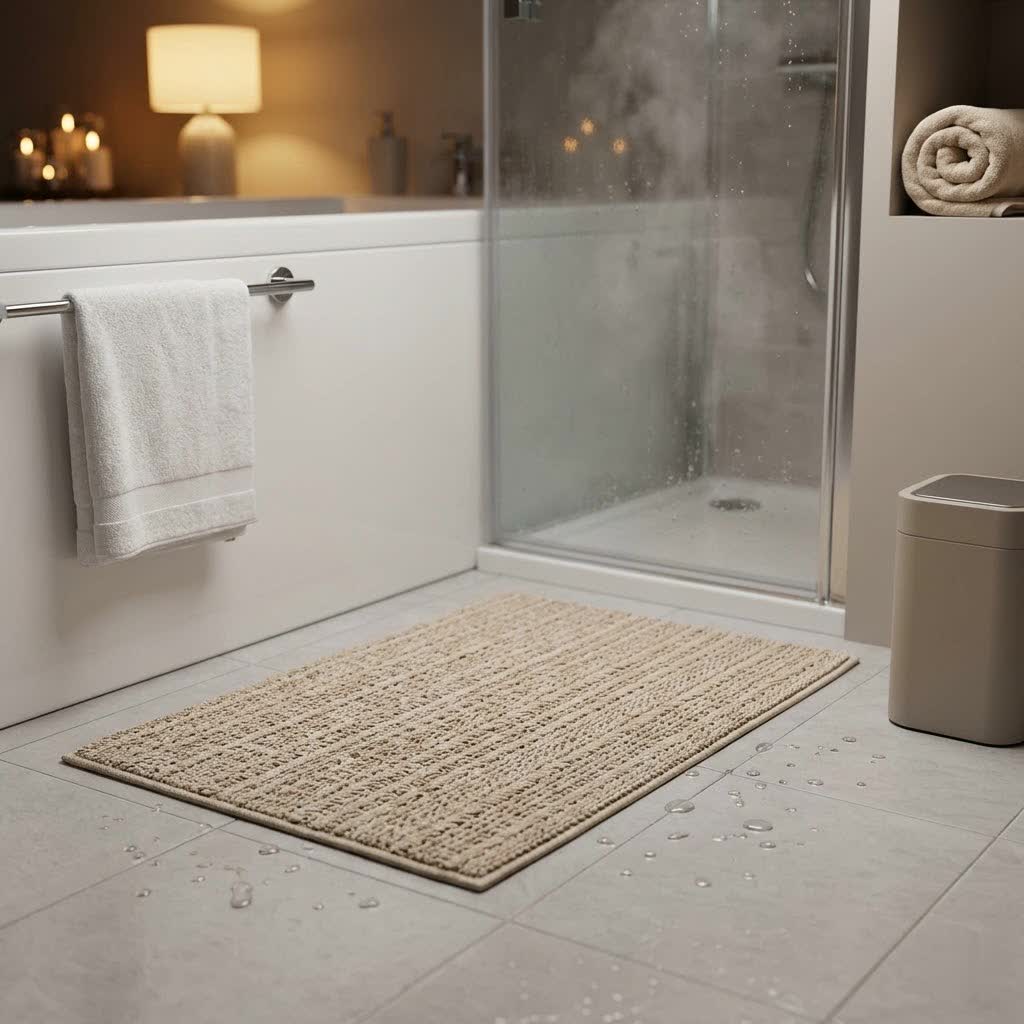
Stepping out of a warm shower onto a cold, slippery bathroom floor can instantly ruin your sense of relaxation. A high-quality bath mat is not merely a decorative accessory; it’s an essential item for safety, hygiene, and comfort in your bathroom. This guide will walk you through everything you need to know to select the ideal bath mat that meets your needs and complements your bathroom’s style.
What is a Bath Mat and Why Do You Need One?
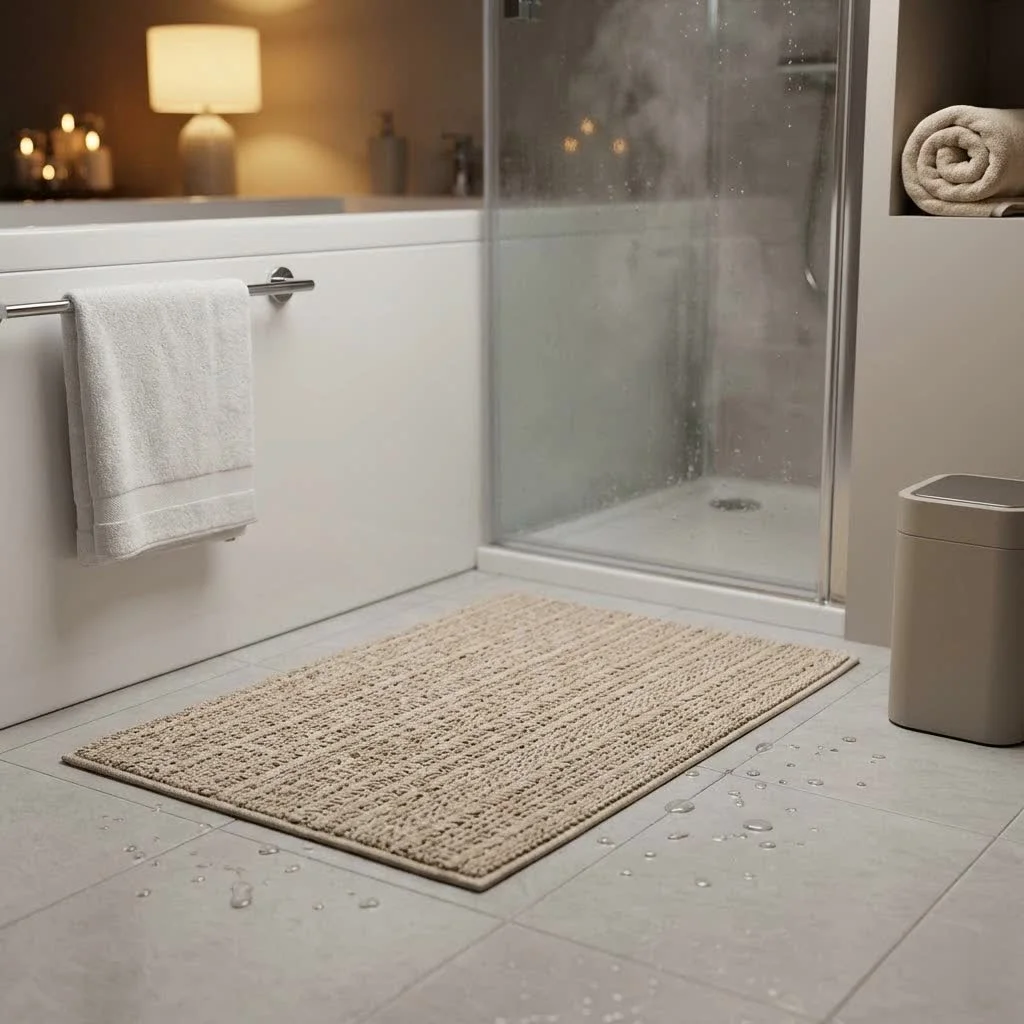
A bath mat serves as a crucial barrier between your wet feet and the bathroom floor, primarily preventing slips and falls on slick surfaces. Beyond safety, these absorbent mats soak up excess water, helping to keep your bathroom floors dry and reducing the risk of water damage or mildew growth. They also provide a soft, comfortable landing for your feet, adding a touch of luxury and warmth to your daily routine. Aesthetically, a bath mat can tie together your bathroom decor, offering an opportunity to introduce color, texture, and personality to the space. For complete home decor library on this site.
Popular Types of Bath Mat Materials
Choosing the right material is paramount, as it dictates the mat’s absorbency, drying time, comfort, and durability. Different materials offer unique benefits and cater to various preferences and bathroom environments.
Cotton Bath Mats
Cotton is a classic choice, renowned for its natural softness and excellent absorbency. It feels plush underfoot and is often machine washable, making it a convenient option for daily use.
- Pros: Very soft, highly absorbent, natural material, generally machine washable.
- Cons: Can take longer to dry compared to synthetics, potentially prone to mildew if not dried properly, may require frequent washing.
- Best for: Everyday bathrooms where comfort and natural feel are prioritized, and regular washing is feasible.
Microfiber Bath Mats
Microfiber mats are celebrated for their exceptional absorbency and quick-drying properties, thanks to their ultrafine synthetic fibers. They offer a velvety-soft texture and are often lightweight.
- Pros: Super absorbent, fast-drying, very soft and plush, durable.
- Cons: Can sometimes attract lint and dust, may require specific washing instructions to maintain plushness.
- Best for: High-humidity bathrooms, those seeking quick drying and superior absorbency, or a luxurious feel.
Memory Foam Bath Mats
Memory foam bath mats contour to the shape of your feet, providing unparalleled cushioning and comfort, akin to stepping onto a soft cloud. They are excellent for cold tile floors, offering insulation.
- Pros: Extremely comfortable and supportive, soft underfoot, insulates against cold floors.
- Cons: Can be slow to dry due to density, may be heavier to wash, can be prone to wear and tear over time.
- Best for: Individuals prioritizing comfort and warmth, or those with foot pain seeking extra cushioning.
Bamboo Bath Mats
|
Our Picks for the Best Bath Mat in 2026
As an Amazon Associate I earn from qualifying purchases.
|
||
| Num | Product | Action |
|---|---|---|
| 1 | OLANLY Black Bathroom Rug 30x20, Extra Soft Absorbent Chenille Bath Rugs, Rubber Backing Quick Dry, Machine Washable Bath Mats for Bathroom Floor, Tub and Shower, Home Decor Accessories |

|
| 2 | GORILLA GRIP Bath Rug Mat, Thick Soft Absorbent Chenille, Quick Dry Microfiber Mats, Rubber Backing Washable Shower Floor Rugs, US Designed Bathroom Bathmat Home Decor Accessories, 24x17, Grey |
|
| 3 | Amazon Basics Premium 100% Cotton, Absorbent Soft Bath Mat, Machine Washable, 684 GSM, White, 30" x 20" Hotel Spa Shower/Bathtub Mats, Pack of 6 |
|
| 4 | Amazon basics cotton washcloths, Lightweight quick-dry, 12" x 12", 12-pack, white |
|
| 5 | OLANLY Bathroom Rugs 30x20, Extra Soft Absorbent Chenille Bath Rugs, Rubber Backing Quick Dry, Machine Washable Bath Mats for Bathroom Floor, Tub and Shower, Home Decor Accessories, Beige |
|
| 6 | OLANLY Bathroom Rugs 30x20, Extra Soft Absorbent Chenille Bath Rugs, Rubber Backing Quick Dry, Machine Washable Bath Mats for Bathroom Floor, Tub and Shower, Home Decor Accessories, Sage Green |
|
| 7 | Amazon Basics Fast Drying Cotton Washcloths for Bathroom, Machine Washable, Soft and Highly Absorbent, 12 x 12 in, White, 24-Pack |
|
| 8 | OLANLY Bathroom Rugs 30x20, Extra Soft Absorbent Chenille Bath Rugs, Rubber Backing Quick Dry, Machine Washable Bath Mats for Bathroom Floor, Tub and Shower, Home Decor Accessories, Navy |
|
| 9 | OLANLY Bathroom Rugs 30x20, Extra Soft Absorbent Chenille Bath Rugs, Rubber Backing Quick Dry, Machine Washable Bath Mats for Bathroom Floor, Tub and Shower, Home Decor Accessories, Light Grey |
|
| 10 | OLANLY Bathroom Rugs 30x20, Extra Soft Absorbent Chenille Bath Rugs, Rubber Backing Quick Dry, Machine Washable Bath Mats for Bathroom Floor, Tub and Shower, Home Decor Accessories, Grey |
|
Bamboo bath mats offer a unique, spa-like aesthetic and are an eco-friendly option. They are naturally resistant to mold and mildew and dry quickly due to their slatted design, which allows for air circulation.
- Pros: Naturally antimicrobial and mold-resistant, eco-friendly, quick-drying, stylish and modern look.
- Cons: Not as soft or absorbent as fabric mats, can feel firm underfoot, may require a separate non-slip backing.
- Best for: Bathrooms with a minimalist or natural aesthetic, and those prioritizing hygiene and quick drying over plush comfort.
Stone (Diatomaceous Earth) Bath Mats
Stone bath mats, often made from diatomaceous earth, are incredibly innovative. They instantly absorb water and dry almost immediately, preventing moisture buildup and making them exceptionally hygienic.
- Pros: Extremely fast-drying (feet dry in seconds), naturally antimicrobial, highly hygienic, non-toxic, sleek and modern.
- Cons: Hard, not soft or cushioned like fabric mats, can have a unique “chalkboard-like” feel that some may dislike.
- Best for: Those who prioritize hygiene, rapid drying, and a minimalist design, and don’t require a soft underfoot feel.
Rubber/PVC Bath Mats
While often used as a non-slip backing for fabric mats, full rubber or PVC mats are also available, particularly for inside the shower or tub. They are excellent for preventing slips.
- Pros: Superior non-slip properties, very easy to clean (wipe down), highly durable.
- Cons: Not absorbent, can feel less comfortable than fabric options, not breathable.
- Best for: Inside the shower or tub for maximum slip prevention, or in utility bathrooms where absorbency isn’t the primary concern.
Comparison Table of Bath Mat Types
| Type of Mat | Pros | Cons | Durability | Absorbency | Price Range |
|---|---|---|---|---|---|
| Cotton | Soft, highly absorbent, natural, comfortable | Slow drying, prone to mildew if not maintained | Medium | Excellent | Low to Medium |
| Microfiber | Super absorbent, fast-drying, soft, durable | Can attract dust, specific care needed | High | Very Good | Medium |
| Memory Foam | Extremely comfortable, cushioning, warm | Slow drying, heavier, prone to wear | Medium | Good | Medium |
| Bamboo | Antimicrobial, eco-friendly, fast-drying, stylish | Not soft, firm underfoot, less absorbent | High | Medium | Medium to High |
| Stone | Ultra-fast drying, hygienic, antimicrobial | Hard, not soft, unique texture | Very High | Excellent (surface) | Medium to High |
| Rubber/PVC | Excellent non-slip, easy to clean, durable | Not absorbent, less comfortable, not breathable | Very High | Poor | Low |
Factors to Consider When Buying a Bath Mat
Selecting the perfect bath mat involves more than just picking a pretty color. Here are the key factors to evaluate to ensure you make the best choice for your home.
Material
As explored above, the material significantly impacts performance. Consider your priorities: Do you want plush softness (cotton, microfiber, memory foam), rapid drying (stone, bamboo, microfiber), or superior slip resistance (rubber backing)? The choice of material will also affect the mat’s hygiene and maintenance.
Size and Placement
Measure your bathroom space and consider where the mat will be placed. A standard bath mat is typically positioned outside the shower or tub. For larger bathrooms, you might prefer a runner-style mat or multiple smaller mats for different areas like in front of the sink. Ensure the mat isn’t so large that it obstructs door swings or creates a tripping hazard.
Absorbency and Quick-Drying
These two features are crucial. A highly absorbent mat will effectively soak up water, preventing puddles. A quick-drying mat is vital for hygiene, as it reduces the likelihood of mold, mildew, and unpleasant odors, especially in humid bathroom environments. Materials like microfiber and stone are excellent for quick drying.
Safety: Non-Slip Backing
Safety is paramount in the bathroom. Look for mats with a robust non-slip backing, often made of rubber or latex, to keep the mat securely in place on potentially slippery tile or linoleum floors. This feature is essential to prevent dangerous slips and falls.
Durability
A durable bath mat will withstand frequent use and washing without losing its shape, color, or effectiveness. High-quality stitching, dense pile (for fabric mats), and resilient materials contribute to a mat’s longevity. Investing in a well-made mat can save you money in the long run.
Ease of Cleaning and Hygiene
Given the damp environment, bath mats can become breeding grounds for bacteria and mold if not cleaned regularly. Opt for mats that are easy to clean, preferably machine washable (check care labels carefully, especially for rubber backings). Fast-drying materials also contribute to better hygiene.
Style and Design
Your bath mat is an opportunity to enhance your bathroom’s aesthetic. Choose a color, pattern, and texture that complements your existing decor. From minimalist neutrals to vibrant patterns, there’s a bath mat for every style.
Brand and Retailer
Reputable brands often signify quality. When searching for options, consider popular retailers known for home goods. For example, many consumers find excellent, budget-friendly options like the Threshold Performance Plus Bath Mat from Target, praised for its absorbency and value.
Price Ranges for Bath Mats
Bath mats are available across a wide spectrum of prices, catering to various budgets and preferences.
Budget-Friendly (Under $20)
At this price point, you’ll find basic cotton or synthetic microfiber mats. Options like the Threshold Performance Plus Bath Mat from Target are often highlighted for offering good absorbency and value for money. These are great for guest bathrooms or if you like to replace mats frequently.
Mid-Range ($20-$50)
This segment offers a broader selection of materials, including denser cotton, plush memory foam, and some bamboo options. You can expect better durability, enhanced features like more robust non-slip backings, and a wider variety of styles and colors.
Premium ($50+)
High-end bath mats feature luxurious materials like Turkish cotton, higher-density memory foam, or innovative stone (diatomaceous earth) mats. These often boast superior craftsmanship, exceptional absorbency, rapid drying, and unique designs, providing a spa-like experience and excellent longevity.
Top Picks: Highly-Rated Bath Mats
Based on extensive testing and user reviews, certain bath mats consistently stand out for their performance and value.
- Target’s Threshold Performance Plus Bath Mat: Often lauded as a “Best Budget” option, this cotton mat offers excellent absorbency and quick-drying capabilities at an affordable price, coming in various colors and patterns.
- Threshold Low Chenille Memory Foam Bath Rug (Target): Praised for its affordability, plush comfort, and reliable slip-resistance, making it a “Best Runner-Up” in some reviews.
- Dorai Zen Bath Stone Mat: An innovative choice made from diatomaceous earth, this mat is highly effective at instantly absorbing water and drying in seconds, providing a very hygienic solution. It’s an excellent pick for those who prefer a modern, spa-like feel.
- Genteele Memory Foam Bath Mat: This mat receives high marks for its comfort and durability, retaining its shape and plushness even with regular use and cleaning.
- Society6 Desert Checker Ginger Bath Mat: A plush memory foam option that is noted for its quick-drying time, non-slip properties, and ability to maintain its structure, often recognized for its attractive designs.
These top picks exemplify a range of materials and features, ensuring there’s a great option no matter your priority.
Tips for Cleaning and Maintaining Your Bath Mat
Proper care is crucial to extend the life of your bath mat and maintain a hygienic bathroom environment.
- Regular Shaking and Vacuuming: Shake your bath mat outdoors or vacuum it 2-3 times a week to remove loose dirt, dust, and hair.
- Washing Frequency: Most fabric bath mats should be machine washed every 1-4 weeks, depending on usage. If it gets wet daily, weekly washing is recommended.
- Machine Washing (Fabric Mats):
- Use cold water and a mild detergent.
- Select a gentle cycle to protect the material and any non-skid backing.
- Avoid bleach and fabric softener, as they can damage the mat’s fibers and rubber backing.
- For odors, add half a cup of baking soda to the wash cycle (avoid vinegar, as it can harm rubber backings).
- Hand Washing (Delicate or Stone Mats): Some delicate fabric mats or stone mats benefit from hand cleaning. For stone mats, simply wipe them down or rinse as directed by the manufacturer.
- Drying:
- Hang fabric bath mats to air dry in a well-ventilated area. Avoid direct sunlight, which can fade colors and damage materials.
- If using a dryer, opt for a low or no-heat setting, especially for mats with rubber backings, as high heat can degrade the rubber.
- Hang your bath mat over a shower railing or the edge of the tub between uses to allow it to dry completely and prevent mold and mildew.
- When to Replace: Replace your bath mat if it shows signs of wear and tear, develops permanent stains, continuously smells bad, or loses its absorbency or non-slip traction.
“A good bath mat not only keeps you safe but also provides a sense of comfort and relaxation after a long day.” – Expert Insight
Conclusion
Choosing the right bath mat is a small decision that can have a significant impact on the safety, cleanliness, and comfort of your bathroom. By understanding the different materials available, considering key factors like absorbency and non-slip features, and committing to proper cleaning and maintenance, you can find a mat that enhances your daily routine for years to come. Whether you prefer the plushness of microfiber, the natural appeal of bamboo, or the rapid drying of stone, there’s a perfect bath mat waiting for your home. Which feature will you prioritize in your next bath mat purchase?
Frequently Asked Questions
How often should I wash my bath mat?
You should wash your bath mat every one to four weeks, depending on how frequently the bathroom is used. If the mat gets wet daily, a weekly wash is recommended to prevent bacteria and mildew growth.
What is the most hygienic bath mat material?
Diatomaceous earth (stone) bath mats are considered highly hygienic due to their extremely fast-drying and naturally antimicrobial properties, which minimize moisture retention and prevent bacteria buildup. Bamboo is also a good hygienic option due to its natural resistance to bacteria.
Can I put a bath mat with a rubber backing in the dryer?
It’s generally recommended to air dry bath mats with rubber backings to prevent the rubber from degrading or melting, which can happen with high heat. If you must use a dryer, use a low or no-heat setting. Always check the care label for specific instructions.
Get our weekly buyer guide
Practical specs, not advice. Unsubscribe anytime.
