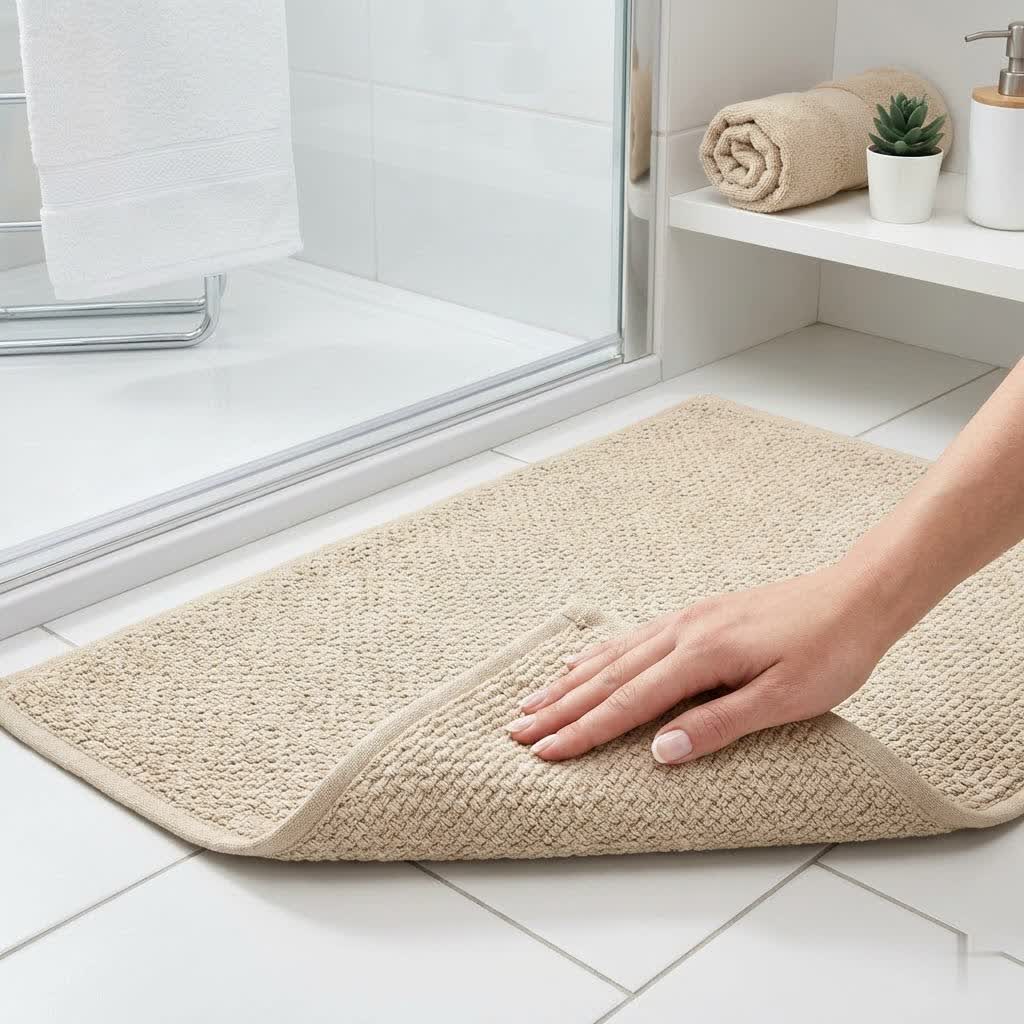
Stepping out of a warm shower onto a cold, soggy bath mat is hardly the spa-like experience we crave in our bathrooms. While traditional fabric mats offer softness, they often harbor moisture, leading to unpleasant odors, mildew, and frequent laundry cycles. This is where the wooden bath mat emerges as a compelling alternative, blending functionality with a touch of natural elegance. Offering a unique approach to bathroom hygiene and style, wooden bath mats have steadily grown in popularity. Join us as we explore everything you need to know to choose, care for, and appreciate the perfect wooden bath mat for your home.
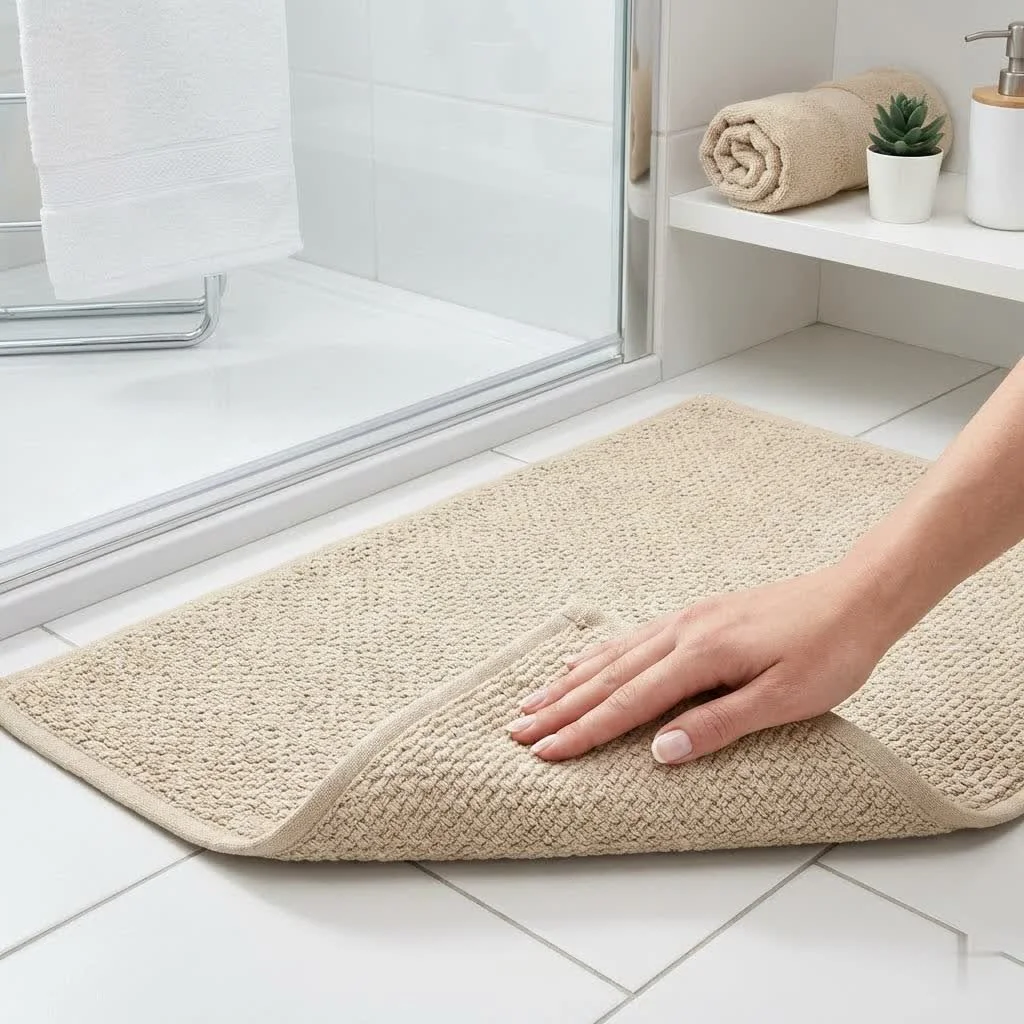
What is a Wooden Bath Mat and Why Consider One?
A wooden bath mat is typically crafted from slats of moisture-resistant wood, such as teak or bamboo, designed to sit directly outside your shower or bathtub. Unlike fabric mats that absorb water, wooden mats allow water to drain through the gaps between their slats, promoting rapid air circulation and quick drying. This slatted design means the mat itself doesn’t retain moisture, significantly reducing the chances of mold, mildew, and bacteria growth that are common with damp textile rugs. Beyond their hygienic advantages, wooden bath mats offer a distinct aesthetic appeal, transforming an ordinary bathroom into a tranquil, spa-like sanctuary. They are also celebrated for their durability, often outlasting their fabric counterparts with proper care. For more home decor guides on this site.
Types of Wooden Bath Mats
The choice of wood significantly impacts a mat’s performance, durability, and appearance. Two types stand out for their suitability in humid bathroom environments:
- Bamboo Bath Mats: Bamboo is a highly sustainable and fast-growing grass, known for its impressive strength and water resistance. Bamboo bath mats are generally lightweight, durable, and offer a clean, minimalist aesthetic. They are often more affordable than teak and are an excellent eco-friendly choice. While naturally resistant to some moisture, they benefit from regular drying to prevent potential mildew over time.
- Teak Bath Mats: Often considered the gold standard for wooden bath mats, teak is a dense hardwood rich in natural oils, notably tectoquinone, which provides inherent resistance to fungus, mildew, and moisture. This makes teak exceptionally durable and highly suited for wet environments. Teak mats boast a luxurious feel and a beautiful golden-brown hue that deepens with age. They represent a premium investment but offer unparalleled longevity and natural protective properties.
- Other Wood Types (e.g., Cedar, Hinoki Cypress): While less common, woods like cedar and Hinoki cypress are also used for bath mats due to their natural resistance to moisture and their pleasant, often aromatic qualities. Cedar offers a distinct scent and natural protective oils, while Hinoki cypress, particularly revered in Japan, is known for its antibacterial properties and calming aroma. These options often provide a unique aesthetic and sensory experience.
Comparison Table: Wooden Bath Mats vs. Other Common Types
|
Our Picks for the Best Bath Mat in 2026
As an Amazon Associate I earn from qualifying purchases.
|
||
| Num | Product | Action |
|---|---|---|
| 1 | Amazon Basics Premium 100% Cotton, Absorbent Soft Bath Mat, Machine Washable, 684 GSM, White, 30" x 20" Hotel Spa Shower/Bathtub Mats, Pack of 6 |

|
| 2 | Amazon basics cotton washcloths, Lightweight quick-dry, 12" x 12", 12-pack, white |
|
| 3 | OLANLY Bathroom Rugs 30x20, Extra Soft Absorbent Chenille Bath Rugs, Rubber Backing Quick Dry, Machine Washable Bath Mats for Bathroom Floor, Tub and Shower, Home Decor Accessories, Sage Green |
|
| 4 | OLANLY Bathroom Rugs 30x20, Extra Soft Absorbent Chenille Bath Rugs, Rubber Backing Quick Dry, Machine Washable Bath Mats for Bathroom Floor, Tub and Shower, Home Decor Accessories, Grey |
|
| 5 | OLANLY Black Bathroom Rug 30x20, Extra Soft Absorbent Chenille Bath Rugs, Rubber Backing Quick Dry, Machine Washable Bath Mats for Bathroom Floor, Tub and Shower, Home Decor Accessories |
|
| 6 | Amazon Basics Fast Drying Cotton Washcloths for Bathroom, Machine Washable, Soft and Highly Absorbent, 12 x 12 in, White, 24-Pack |
|
| 7 | OLANLY Bathroom Rugs 30x20, Extra Soft Absorbent Chenille Bath Rugs, Rubber Backing Quick Dry, Machine Washable Bath Mats for Bathroom Floor, Tub and Shower, Home Decor Accessories, Light Grey |
|
| 8 | OLANLY Bathroom Rugs 30x20, Extra Soft Absorbent Chenille Bath Rugs, Rubber Backing Quick Dry, Machine Washable Bath Mats for Bathroom Floor, Tub and Shower, Home Decor Accessories, Beige |
|
| 9 | OLANLY Bathroom Rugs 30x20, Extra Soft Absorbent Chenille Bath Rugs, Rubber Backing Quick Dry, Machine Washable Bath Mats for Bathroom Floor, Tub and Shower, Home Decor Accessories, Navy |
|
| 10 | GORILLA GRIP Bath Rug Mat, Thick Soft Absorbent Chenille, Quick Dry Microfiber Mats, Rubber Backing Washable Shower Floor Rugs, US Designed Bathroom Bathmat Home Decor Accessories, 24x17, Grey |
|
To help you understand where wooden bath mats fit in the broader market, here’s a comparison with other popular materials:
| Mat Type | Pros | Cons | Durability | Absorbency | Price |
|---|---|---|---|---|---|
| Wooden (Bamboo/Teak) | Hygienic, quick-drying, stylish, durable | Less soft, water drains to floor, can be slippery if not designed well | High | Low (drains water) | Medium to High |
| Cotton | Soft, absorbent, natural feel | Slow drying, prone to mildew and bacteria, needs frequent washing | Medium | Good | Low to Medium |
| Microfiber | Highly absorbent, quick-drying (fabric), soft | Can feel synthetic, traps dust, needs frequent washing | High | Excellent | Medium |
| Rubber/PVC | Non-slip, easy to clean, highly water-resistant | Not absorbent, can look cheap, less breathable, potential for mold underneath | Very High | Poor | Low |
| Foam (Memory Foam) | Soft, cushioned, comfortable | Can retain moisture, slower drying, difficult to clean thoroughly | Low | Medium | Low |
Factors to Consider When Buying a Wooden Bath Mat
Choosing the right wooden bath mat involves more than just aesthetics. Here are the crucial elements to consider:
- Wood Type: As discussed, teak offers superior natural water and mold resistance, making it a premium choice. Bamboo is a sustainable and robust alternative, while cedar and Hinoki cypress bring unique aromatic benefits. Your choice will depend on your budget, desired aesthetics, and emphasis on specific properties.
- Construction & Design: Most wooden bath mats feature a slatted design, which is key to their quick-drying properties. Look for mats with evenly spaced slats for optimal drainage and air circulation. Some mats have an elevated design, lifting the wood off the floor to enhance airflow underneath.
- Size & Shape: Measure your bathroom space carefully to ensure the mat fits appropriately outside your shower or tub. Consider the clearance for doors and drawers. Wooden mats come in various rectangular and square shapes; choose one that complements your bathroom layout without becoming an obstruction.
- Water Resistance & Durability: While teak has natural water-resistant oils, bamboo and other woods benefit from proper treatment or sealing to enhance their longevity in a humid environment. Look for mats that are advertised as water-resistant or treated for bathroom use. The solid construction of wooden mats makes them highly durable, resisting the wear and tear that fabric mats often experience.
- Safety: The hard, non-absorbent surface of wooden mats can be a concern for slipping, especially if water pools on the surface or if the mat shifts on a smooth floor. Prioritize mats with anti-slip pads or rubber feet on the underside to prevent movement. Some designs also feature textured surfaces or wider slats to enhance foot grip.
- Ease of Cleaning & Maintenance: Wooden bath mats are remarkably easy to clean compared to fabric mats. They don’t require machine washing, saving time and energy. Routine maintenance typically involves wiping down the surface, and occasional deeper cleaning.
- Aesthetics & Style: Wooden bath mats introduce a natural, earthy element into your bathroom. Their clean lines and natural finishes can complement various decor styles, from minimalist and modern to traditional or spa-inspired. Teak’s rich tones and bamboo’s lighter hues offer distinct visual appeals.
- Brand & Sustainability: Opt for reputable brands that specify the origin and sustainability of their wood. Look for FSC-certified wood, which ensures the material comes from responsibly managed forests. Choosing a sustainable option reduces your environmental footprint.
Price Ranges for Wooden Bath Mats
The cost of a wooden bath mat varies significantly based on the type of wood, craftsmanship, size, and brand.
- Budget-Friendly (Typically Bamboo): You can find basic bamboo bath mats ranging from $20 to $50. These are generally smaller, simpler in design, and made from standard bamboo slats. They offer a great entry point into the benefits of wooden mats without a large investment.
- Mid-Range (Quality Bamboo/Acacia/Cedar): In the $50 to $100 range, you’ll find larger bamboo mats, more intricate designs, or mats made from other quality woods like acacia or cedar. These often feature better construction, enhanced anti-slip features, and more refined finishes.
- Premium (Teak): High-quality teak bath mats typically start at $100 and can go upwards of $200 or more for larger, artisan-crafted pieces. The higher price reflects teak’s superior natural properties, exceptional durability, and luxurious appeal. These mats are often seen as a long-term investment.
Top Picks: Popular Wooden Bath Mat Designs
While specific product recommendations are outside this scope, common and highly-regarded designs for wooden bath mats emphasize specific features:
- Classic Slatted Bamboo Mat: This design features parallel bamboo slats held together by a sturdy backing. It’s lauded for its efficient drainage, quick-drying capabilities, and minimalist aesthetic. Many popular models incorporate discreet non-slip feet for enhanced safety.
- Elevated Teak Spa Mat: Premium teak mats often feature a slightly elevated design, allowing even more air circulation beneath the mat, crucial for consistent drying and preventing moisture buildup on the floor. These are often thicker, with a robust build that exudes luxury and durability, making them ideal for a high-end spa bathroom feel.
- Roll-Up or Foldable Wood Mat: Some wooden mats are designed for portability and easy storage. These typically use flexible connectors to allow the mat to be rolled up or folded when not in use, making them perfect for smaller bathrooms or for those who prefer to store their mat away after each use.
- Interlocking Wood Tiles: For a custom fit, some brands offer interlocking wooden tiles that allow you to create a bath mat of any size or shape. This option is particularly versatile for unusual bathroom layouts or larger areas.
Tips for Cleaning and Maintaining Your Wooden Bath Mat
Proper care is essential to ensure your wooden bath mat remains hygienic, safe, and beautiful for years.
- Regular Cleaning: After each use, it’s beneficial to wipe down your wooden mat to remove excess water. Ensure it is placed in a well-ventilated area to air out completely between uses; hanging it over the side of the tub or a shower rod is ideal.
- Deep Cleaning: Approximately once a week or every few weeks, give your wooden mat a deeper clean. Use a soft brush or non-abrasive sponge with mild soap and water to gently scrub the slats, removing any residue or potential buildup. For stubborn spots, a mixture of vinegar and baking soda can be used.
- Drying Thoroughly: After cleaning, rinse the mat thoroughly and dry it completely in a warm, airy spot or even in direct sunlight to prevent warping or mold. Ensuring it’s bone dry is critical for its longevity.
- Oiling (for Teak): For teak mats, consider applying a suitable wood oil every 3-6 months. This helps maintain the wood’s natural water-resistant properties, prevents cracking, and enhances its rich appearance.
“A good bath mat does not just keep you safe; it elevates your bathroom experience, turning a functional space into a personal sanctuary.”
Conclusion
The wooden bath mat offers a refreshing departure from conventional fabric options, bringing a unique blend of hygiene, durability, and natural elegance to your bathroom. With their quick-drying, mold-resistant properties and spa-like appeal, wooden mats, particularly those crafted from teak or bamboo, present a smart, sustainable choice for the modern home. While they may require a slight adjustment from the plush comfort of textile mats, their long-term benefits in cleanliness, aesthetics, and reduced maintenance are undeniable. By understanding the different wood types, considering key buying factors, and committing to simple care routines, you can select a wooden bath mat that not only enhances your bathroom’s style but also contributes to a healthier, more inviting environment.
Are you ready to embrace the enduring charm and practical benefits of a wooden bath mat in your home?
FAQ
Are wooden bath mats slippery?
While wooden bath mats provide a solid surface, some designs can be slippery if they lack proper non-slip features or if water pools excessively on them. Opt for mats with rubberized feet or anti-slip backing, and ensure the slatted design allows for efficient drainage to minimize pooling and enhance safety.
How do you clean a wooden bath mat?
Cleaning a wooden bath mat is simple: wipe it down after each use, then let it air dry completely. For a deeper clean, scrub it with a non-abrasive sponge, mild soap, and water, then rinse thoroughly and dry in a well-ventilated area or sunlight. Teak mats benefit from occasional oiling.
Is bamboo or teak better for a bath mat?
Both bamboo and teak are excellent choices for bath mats. Teak is highly prized for its natural oils, which provide superior resistance to water, mold, and mildew, making it incredibly durable and a premium option. Bamboo is a more sustainable, fast-growing alternative that is also strong and water-resistant, often available at a more accessible price point.
Do wooden bath mats get moldy?
Wooden bath mats are significantly less prone to mold and mildew than fabric mats because their slatted design allows water to drain and air to circulate, preventing moisture retention. Teak, in particular, has natural properties that resist fungal growth. However, any mat can develop mold if not dried properly and regularly cleaned.
What are the benefits of a wooden bath mat?
Wooden bath mats offer numerous benefits, including superior hygiene due to quick drying and reduced mold/bacteria growth, enhanced durability compared to fabric mats, a stylish and spa-like aesthetic, and often a more sustainable choice (especially bamboo or FSC-certified wood). They also eliminate the need for frequent machine washing.
Get our weekly buyer guide
Practical specs, not advice. Unsubscribe anytime.
