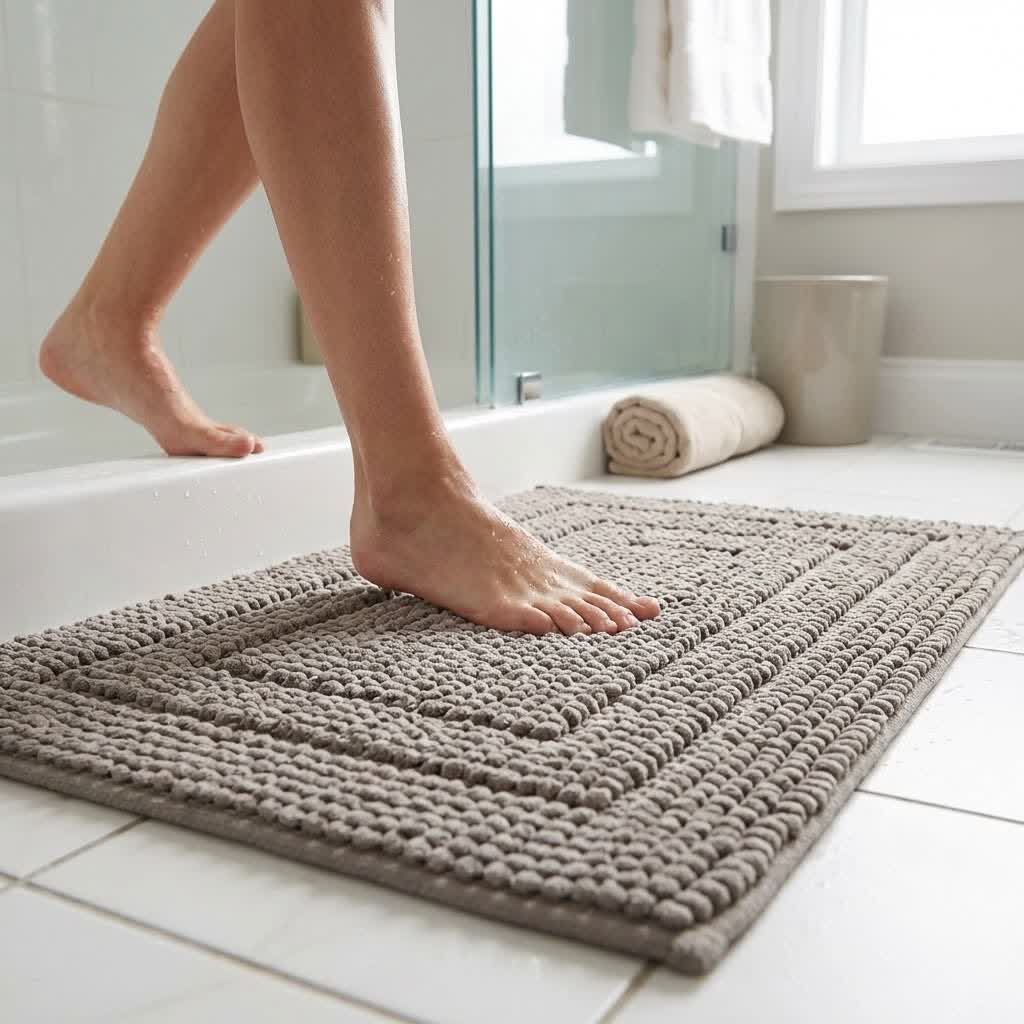
Stepping out of a warm shower onto a cold, hard floor is a jarring experience that can instantly break your post-bath tranquility. A high-quality bath mat isn’t just a luxury; it’s an essential element for safety, hygiene, and comfort in any bathroom. Among the myriad options available, memory foam bath mats have risen in popularity, promising a spa-like experience right at home. But what exactly makes them stand out, and are they the perfect fit for your sanctuary? Let’s explore everything you need to know to choose, care for, and enjoy the ultimate memory foam bath mat.
What is a Memory Foam Bath Mat and Why Do You Need One?
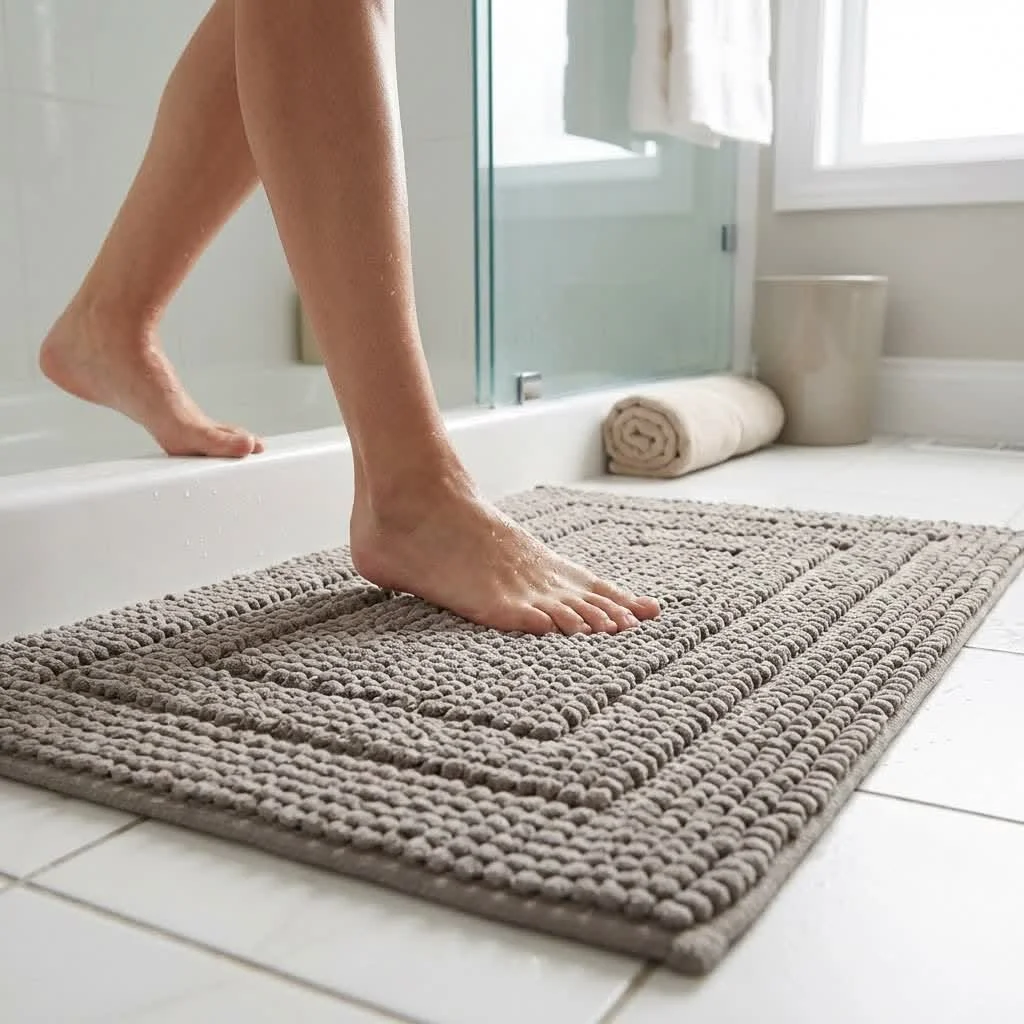
A memory foam bath mat is typically crafted with a dense, viscoelastic foam core, often topped with a soft, absorbent fabric like microfiber. This specialized foam reacts to body heat and pressure, contouring to the shape of your feet, much like a memory foam mattress cradles your body. It offers a uniquely plush, cushioned feel that transforms your bathroom into a more luxurious and comfortable space. Beyond the undeniable comfort, these mats serve crucial functions, providing a safe, absorbent landing spot that helps prevent slips on wet floors and protects your feet from cold tiles. They also contribute to a cleaner bathroom environment by soaking up excess water, thereby minimizing puddles and potential mildew growth. For best home decor roundups on this site.
Popular Bath Mat Types
While memory foam offers distinctive advantages, understanding other common bath mat materials can help you appreciate its unique position in the market. Each type brings its own set of characteristics to your bathroom.
- Cotton Bath Mats: Known for their natural softness and excellent absorbency, cotton mats are a classic choice. They offer a comfortable, familiar feel and are generally easy to clean. However, they can take longer to dry and may be prone to mildew if not regularly maintained and properly aired out.
- Microfiber Bath Mats: These mats are celebrated for their superior absorbency and quick-drying properties. Microfiber is lightweight, often resistant to mold and mildew, and typically very easy to clean. They offer a plush feel, though usually not as dense or contouring as memory foam.
- Bamboo Bath Mats: For a more natural and spa-like aesthetic, bamboo mats are an excellent choice. They are naturally antimicrobial, resistant to mold, and environmentally friendly. However, they lack the soft, plush feel of fabric mats and are less absorbent, primarily designed to lift feet off a wet floor rather than soak up water.
- Rubber/PVC Bath Mats: Primarily focused on safety, these mats excel at preventing slips due to their strong non-slip grip. They are incredibly easy to clean and highly durable. Their main drawback is a complete lack of absorbency and breathability, often making them less comfortable underfoot.
- Foam Bath Mats (specifically Memory Foam): As discussed, these mats offer exceptional comfort, contouring support, and high absorbency. They also provide warmth underfoot and can come in stylish designs. However, they may take longer to dry and require specific cleaning care to maintain their integrity and prevent mold.
Comparison Table: Bath Mat Types
|
Our Picks for the Best Bath Mat in 2026
As an Amazon Associate I earn from qualifying purchases.
|
||
| Num | Product | Action |
|---|---|---|
| 1 | OLANLY Bathroom Rugs 30x20, Extra Soft Absorbent Chenille Bath Rugs, Rubber Backing Quick Dry, Machine Washable Bath Mats for Bathroom Floor, Tub and Shower, Home Decor Accessories, Beige |

|
| 2 | Amazon Basics Fast Drying Cotton Washcloths for Bathroom, Machine Washable, Soft and Highly Absorbent, 12 x 12 in, White, 24-Pack |
|
| 3 | OLANLY Bathroom Rugs 30x20, Extra Soft Absorbent Chenille Bath Rugs, Rubber Backing Quick Dry, Machine Washable Bath Mats for Bathroom Floor, Tub and Shower, Home Decor Accessories, Navy |
|
| 4 | Amazon Basics Premium 100% Cotton, Absorbent Soft Bath Mat, Machine Washable, 684 GSM, White, 30" x 20" Hotel Spa Shower/Bathtub Mats, Pack of 6 |
|
| 5 | GORILLA GRIP Bath Rug Mat, Thick Soft Absorbent Chenille, Quick Dry Microfiber Mats, Rubber Backing Washable Shower Floor Rugs, US Designed Bathroom Bathmat Home Decor Accessories, 24x17, Grey |
|
| 6 | OLANLY Bathroom Rugs 30x20, Extra Soft Absorbent Chenille Bath Rugs, Rubber Backing Quick Dry, Machine Washable Bath Mats for Bathroom Floor, Tub and Shower, Home Decor Accessories, Grey |
|
| 7 | Amazon basics cotton washcloths, Lightweight quick-dry, 12" x 12", 12-pack, white |
|
| 8 | OLANLY Black Bathroom Rug 30x20, Extra Soft Absorbent Chenille Bath Rugs, Rubber Backing Quick Dry, Machine Washable Bath Mats for Bathroom Floor, Tub and Shower, Home Decor Accessories |
|
| 9 | OLANLY Bathroom Rugs 30x20, Extra Soft Absorbent Chenille Bath Rugs, Rubber Backing Quick Dry, Machine Washable Bath Mats for Bathroom Floor, Tub and Shower, Home Decor Accessories, Light Grey |
|
| 10 | OLANLY Bathroom Rugs 30x20, Extra Soft Absorbent Chenille Bath Rugs, Rubber Backing Quick Dry, Machine Washable Bath Mats for Bathroom Floor, Tub and Shower, Home Decor Accessories, Sage Green |
|
| Type of Mat | Advantages | Disadvantages | Durability | Absorbency | Price Range |
|---|---|---|---|---|---|
| Cotton | Soft, natural, highly absorbent | Slow-drying, prone to mildew | Medium | Excellent | Low |
| Microfiber | Highly absorbent, quick-drying, easy to clean | Can attract lint and hair | High | Very Good | Medium |
| Bamboo | Eco-friendly, antimicrobial, mold-resistant | Not soft, less absorbent, rigid | High | Medium | High |
| Rubber/PVC | Excellent non-slip, very durable, easy to clean | Not absorbent, lacks comfort, not breathable | Very High | Poor | Low |
| Memory Foam | Exceptional comfort, highly absorbent, warm, stylish | Slower drying, requires careful cleaning, can flatten | Medium | Excellent | Medium |
Essential Factors for Choosing the Perfect Memory Foam Bath Mat
Selecting the ideal memory foam bath mat involves more than just picking a color. Consider these critical factors to ensure you find a mat that truly enhances your bathroom experience.
- Material Quality (Foam & Fabric): The core memory foam should be dense enough to provide lasting support without quickly flattening. The outer fabric, often microfiber, should be soft, quick-drying, and highly absorbent. Look for quality stitching and finishes that contribute to both comfort and durability.
- Size and Placement: Measure your bathroom space carefully. Consider where the mat will be placed – in front of the shower, tub, or sink. A mat that is too small won’t provide adequate coverage, while one that’s too large can overwhelm the space or become a tripping hazard. Memory foam mats come in various dimensions, so you can find one that fits perfectly.
- Absorbency: A primary function of any bath mat is to soak up water, preventing slips and protecting your floors. Memory foam mats are highly absorbent, but some microfiber tops may perform better than others. Look for descriptions that highlight strong water retention and quick-drying properties to ensure your floor stays dry.
- Safety Features: Non-Slip Backing: This is paramount for preventing accidents. Most memory foam bath mats feature a non-slip backing made from materials like thermoplastic rubber or PVC dots. Ensure the backing provides a firm grip on your specific flooring type, as effectiveness can vary. A reliable non-slip base is key to reducing fall risks.
- Durability and Longevity: While memory foam offers plush comfort, its longevity can sometimes be a concern, with some mats potentially losing their shape or texture over time, especially with frequent washing. Investing in a high-quality mat and adhering to care instructions will significantly extend its lifespan.
- Ease of Cleaning: For hygiene, regular cleaning is essential. Many modern memory foam bath mats are designed to be machine washable, making maintenance much simpler. Always check the care label for specific instructions, as some may require hand washing or spot cleaning to preserve the foam’s integrity.
- Color and Design: A bath mat is also a decorative element. Choose a color and design that complements your bathroom’s existing aesthetic, whether you prefer a minimalist look, a bold statement, or something to match your towel sets. The variety of options available means you don’t have to sacrifice style for function.
- Brand Reputation: While not exhaustive, certain brands are known for producing higher-quality memory foam bath mats that prioritize both comfort and durability. Researching reputable brands and reading user reviews can offer insights into real-world performance and customer satisfaction.
Price Ranges for Memory Foam Bath Mats
Memory foam bath mats are available across a spectrum of price points, catering to various budgets.
- Budget-Friendly (Under $20): These mats offer basic memory foam comfort and absorbency. They are often a great entry point for those wanting to experience memory foam without a significant investment. Durability and long-term performance might be more varied in this category.
- Mid-Range ($20-$50): This segment typically offers a good balance of quality, comfort, and features. You can expect denser foam, more resilient fabrics, and better non-slip backings. Many popular and well-reviewed memory foam mats fall into this range, providing excellent value for money.
- Premium ($50+): High-end memory foam bath mats often feature superior foam density, luxurious top fabrics, advanced quick-drying technology, and more sophisticated designs. They are built for enhanced durability and a truly indulgent feel, offering a long-lasting, spa-quality experience.
Top Picks: Highly-Rated Memory Foam Bath Mats
Based on extensive testing and user reviews, several memory foam bath mats consistently receive high marks for their performance, comfort, and durability. Brands like Genteele and Yimobra are frequently cited for their quality offerings in this category.
- Genteele Memory Foam Bath Mat: Often lauded as a top overall choice, this mat is praised for its incredibly soft, plush surface that conforms to your feet and quickly regains its shape. It boasts excellent absorbency, locking in water efficiently. While some users note it can take a bit longer to dry and its non-slip backing could be improved, its comfort and absorbency make it a standout.
- Yimobra Memory Foam Bath Mat: This option frequently earns recognition as a best-budget pick. It offers good comfort and absorbency, dries relatively quickly for a memory foam mat, and features an effective non-slip backing. It’s also often machine washable, making it a convenient choice for everyday use.
- Threshold Low Chenille Memory Foam Bath Rug: Recognized for its comfortable, plush feel, this mat provides a soft landing spot after a shower. While specific details on absorbency and drying time might vary by model, it’s a solid contender for those prioritizing cushioned comfort.
Essential Tips for Cleaning and Maintaining Your Memory Foam Bath Mat
Proper care is crucial to extend the life of your memory foam bath mat, maintain its plushness, and prevent the growth of mold and mildew.
- Shake it Out Regularly: Before washing, take your mat outside and give it a good shake. This helps to dislodge loose dirt, hair, and debris that can get trapped in the fibers.
- Spot Cleaning for Stains: For small spills or stains, gently spot clean the affected area using a mild soap or detergent and warm water. Avoid harsh chemicals that can damage the foam or fabric.
- Machine Washing (Check Label First!): Many memory foam bath mats are machine washable, but always check the care label for specific instructions. If machine washing is permitted, use cold water and a mild detergent on a gentle cycle. Washing with a few towels can help balance the load. Avoid using bleach or fabric softeners unless specifically indicated, as they can break down the rubber backing or foam.
- Hand Washing for Delicates: For mats that aren’t machine washable, or if you prefer a gentler approach, hand washing is a great alternative. Fill a bathtub or large sink with warm water and a few drops of mild detergent. Submerge the mat and gently rub it by hand, focusing on any dirty spots. Rinse thoroughly with cold water until no soap residue remains.
- Drying is Key: Air Dry Only! This is perhaps the most critical step for memory foam mats. Never put your memory foam bath mat in the dryer, as the heat can permanently damage the foam structure, causing it to lose its shape, flatten, or crumble. Instead, air dry your mat completely. Hang it flat on a drying rack or clothesline in a well-ventilated area, away from direct sunlight, which can also damage materials. Ensuring both sides dry thoroughly is vital to prevent mold and mildew.
- Minimize Moisture Between Uses: To further prevent mold and mildew, hang your bath mat after each use to allow it to air out and dry faster. Good bathroom ventilation, like using an exhaust fan or opening a window, also helps reduce overall humidity.
- Preventing Biofilm: Some experts suggest weekly wiping the underside of the mat with a diluted white vinegar solution (1 part vinegar to 3 parts water) to inhibit the growth of biofilm and bacteria.
- Replacement: Even with meticulous care, memory foam bath mats can eventually wear out. For optimal hygiene and performance, it’s generally recommended to replace them every 18-24 months, as micro-tears can trap moisture that surface treatments can’t reach.
Conclusion
Choosing the right memory foam bath mat means investing in comfort, safety, and style for your bathroom. These mats offer a luxurious, supportive landing spot after a shower, transforming a mundane daily routine into a spa-like experience. While they excel in comfort and absorbency, remember to prioritize proper care, especially thorough drying, to ensure longevity and hygiene. By considering material quality, size, non-slip features, and following recommended cleaning practices, you can enjoy the plush embrace of a memory foam bath mat for years to come. What upgrade will you bring to your bathroom next?
Frequently Asked Questions
Are memory foam bath mats truly machine washable?
Many memory foam bath mats are designed to be machine washable, but it’s crucial to always check the manufacturer’s care label. If machine washing is allowed, use cold water and a mild detergent on a gentle cycle to protect the foam and fabric.
How long can I expect a memory foam bath mat to last?
The lifespan of a memory foam bath mat can vary, but with proper care, a good quality mat can last for a couple of years. However, they may eventually lose their plushness or shape, and replacement every 18-24 months is often recommended for optimal hygiene and performance.
Do memory foam bath mats get moldy easily?
Memory foam bath mats can become prone to mold and mildew if they are not dried properly after each use, due to their high absorbency. Always ensure your mat is completely air-dried in a well-ventilated area to prevent moisture buildup and inhibit microbial growth.
Do memory foam bath mats dry quickly?
Compared to thinner materials, memory foam bath mats generally take longer to dry because they absorb a significant amount of water. Hanging them up in a well-ventilated space after each use is essential to speed up the drying process and maintain hygiene.
Get our weekly buyer guide
Practical specs, not advice. Unsubscribe anytime.
