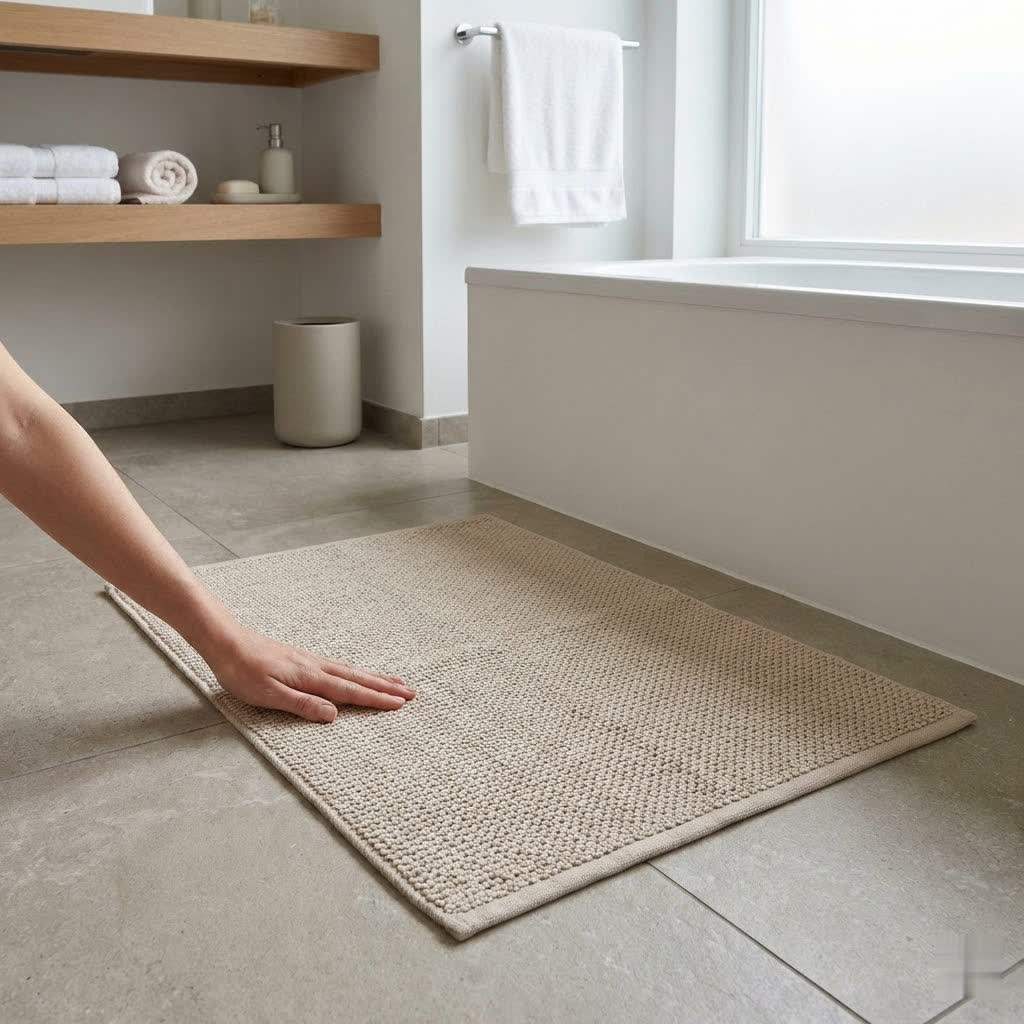
Stepping out of a warm shower onto a cold, wet floor can instantly ruin that feeling of relaxation. A quality bath mat isn’t just a luxury; it’s an essential element for safety, hygiene, and comfort in any bathroom. Among the myriad options available, the microfiber bath mat stands out as a superior choice, renowned for its exceptional absorbency and quick-drying properties. If you’re looking to elevate your bathroom experience and ensure a dry, safe footing, understanding the unique benefits and considerations of microfiber is key. This comprehensive guide will walk you through everything you need to know to select the perfect microfiber bath mat for your home.
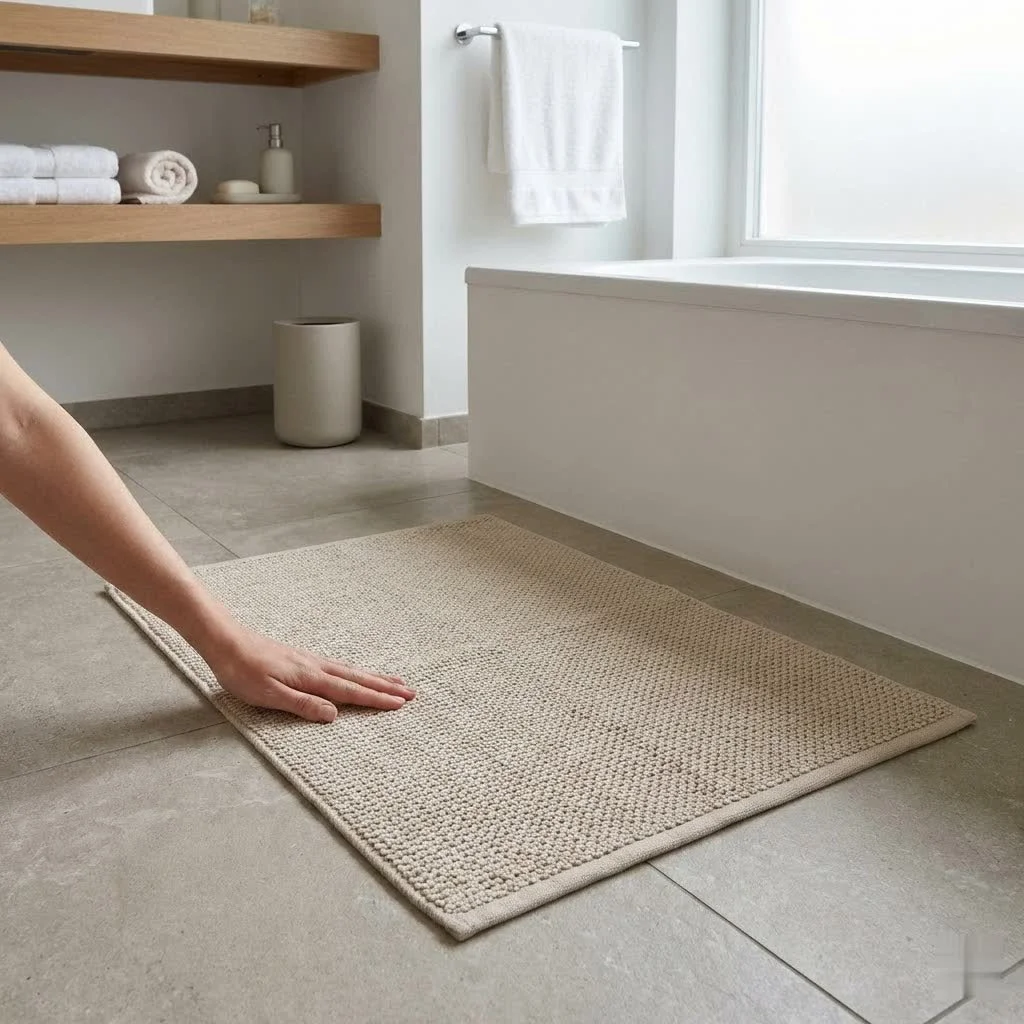
What is a Bath Mat and Why Do You Need One?
A bath mat is a piece of fabric or material placed on the bathroom floor, typically outside the shower or tub, designed to absorb water and provide a non-slip surface. Its primary function is to prevent slips and falls on wet tiles, which are a common cause of home accidents. Beyond safety, bath mats contribute to a cleaner bathroom by containing water, protecting floors from damage, and adding a touch of style and warmth to the space. They transform an ordinary bathroom into a more inviting and functional area, enhancing both hygiene and aesthetics. For more home decor guides on this site.
Common Types of Bath Mats
Understanding the different materials available helps in appreciating why microfiber has become such a popular choice. Each type offers a unique set of advantages and disadvantages.
Cotton Bath Mats
Cotton bath mats are a classic choice, prized for their natural softness and a cozy feel underfoot. They are highly absorbent and come in various textures, from plush loops to flat weaves, making them versatile for different decor styles. However, cotton mats tend to dry slowly, which can make them prone to mildew and unpleasant odors if not properly maintained. They also might not offer the same level of anti-slip protection as other materials.
Microfiber Bath Mats
Microfiber bath mats are crafted from synthetic fibers, usually a blend of polyester and polyamide, which are incredibly fine and densely packed. This unique construction gives them exceptional absorbency, often holding several times their weight in water, and allows them to dry significantly faster than cotton. They offer a luxurious, plush feel, excellent durability, and are typically equipped with non-slip backings, making them a top contender for safety and performance. Their quick-drying nature also helps prevent mildew and odors.
Bamboo Bath Mats
|
Our Picks for the Best Bath Mat in 2026
As an Amazon Associate I earn from qualifying purchases.
|
||
| Num | Product | Action |
|---|---|---|
| 1 | OLANLY Bathroom Rugs 30x20, Extra Soft Absorbent Chenille Bath Rugs, Rubber Backing Quick Dry, Machine Washable Bath Mats for Bathroom Floor, Tub and Shower, Home Decor Accessories, Sage Green |

|
| 2 | OLANLY Bathroom Rugs 30x20, Extra Soft Absorbent Chenille Bath Rugs, Rubber Backing Quick Dry, Machine Washable Bath Mats for Bathroom Floor, Tub and Shower, Home Decor Accessories, Grey |
|
| 3 | OLANLY Bathroom Rugs 30x20, Extra Soft Absorbent Chenille Bath Rugs, Rubber Backing Quick Dry, Machine Washable Bath Mats for Bathroom Floor, Tub and Shower, Home Decor Accessories, Light Grey |
|
| 4 | OLANLY Bathroom Rugs 30x20, Extra Soft Absorbent Chenille Bath Rugs, Rubber Backing Quick Dry, Machine Washable Bath Mats for Bathroom Floor, Tub and Shower, Home Decor Accessories, Beige |
|
| 5 | OLANLY Black Bathroom Rug 30x20, Extra Soft Absorbent Chenille Bath Rugs, Rubber Backing Quick Dry, Machine Washable Bath Mats for Bathroom Floor, Tub and Shower, Home Decor Accessories |
|
| 6 | Amazon Basics Premium 100% Cotton, Absorbent Soft Bath Mat, Machine Washable, 684 GSM, White, 30" x 20" Hotel Spa Shower/Bathtub Mats, Pack of 6 |
|
| 7 | OLANLY Bathroom Rugs 30x20, Extra Soft Absorbent Chenille Bath Rugs, Rubber Backing Quick Dry, Machine Washable Bath Mats for Bathroom Floor, Tub and Shower, Home Decor Accessories, Navy |
|
| 8 | GORILLA GRIP Bath Rug Mat, Thick Soft Absorbent Chenille, Quick Dry Microfiber Mats, Rubber Backing Washable Shower Floor Rugs, US Designed Bathroom Bathmat Home Decor Accessories, 24x17, Grey |
|
| 9 | Amazon Basics Fast Drying Cotton Washcloths for Bathroom, Machine Washable, Soft and Highly Absorbent, 12 x 12 in, White, 24-Pack |
|
| 10 | Amazon basics cotton washcloths, Lightweight quick-dry, 12" x 12", 12-pack, white |
|
Bamboo bath mats, often made from slats of natural bamboo wood, provide a spa-like aesthetic and are inherently resistant to mold and mildew due to their non-absorbent nature. They are eco-friendly, durable, and offer good airflow, which helps keep them dry. However, they are not soft or cushioned like fabric mats and do not absorb water, instead allowing it to drip through to the floor, which might still require an additional absorbent mat underneath.
Rubber/PVC Bath Mats
Primarily designed for safety, rubber or PVC bath mats are highly effective at preventing slips, especially those with suction cups on the underside. They are very easy to clean and are extremely durable, making them ideal for high-traffic bathrooms. The main drawback is their lack of absorbency; they are not intended to soak up water, meaning puddles can still form around them, and their aesthetic appeal is often more utilitarian than decorative.
Foam Bath Mats
Foam bath mats offer unparalleled softness and cushioning, providing a comfortable landing for your feet after a bath or shower. They are lightweight and relatively inexpensive, often featuring memory foam for added comfort. While they can absorb some water, foam mats typically do not match the absorbency or quick-drying capabilities of microfiber. They can also be less durable and more challenging to clean thoroughly, sometimes retaining moisture that can lead to bacterial growth.
Comparison Table: Unveiling the Best Bath Mat for Your Needs
| Type of Mat | Pros | Cons | Durability | Absorbency | Price Range |
|---|---|---|---|---|---|
| Cotton | Soft, natural feel, good absorbency | Slow drying, prone to mildew | Medium | Good | Low |
| Microfiber | Super absorbent, fast-drying, soft, durable, non-slip | Can attract lint, needs specific washing | High | Excellent | Medium |
| Bamboo | Mold-resistant, eco-friendly, unique aesthetic | Hard, non-absorbent | High | Poor | High |
| Rubber/PVC | Excellent slip resistance, easy to clean | Non-absorbent, utilitarian look | Very High | Poor | Low |
| Foam | Very soft, comfortable cushioning, lightweight | Less durable, slower drying than microfiber | Low | Medium | Low |
Factors to Consider When Buying a Bath Mat
Choosing the right bath mat involves more than just picking a pretty color. Several key factors contribute to its functionality, longevity, and overall satisfaction.
Material
The material is paramount, as it dictates absorbency, drying time, and feel. For those prioritizing quick drying and high absorbency, microfiber is an excellent choice. Its synthetic fibers are engineered to wick away moisture efficiently, ensuring your bathroom floor stays dry and safe. Other materials like cotton offer a natural feel but sacrifice quick-drying capabilities, while bamboo offers mold resistance but no absorbency.
Size
Consider the dimensions of your bathroom and the specific area where the mat will be placed. A mat that is too small might not cover enough space to prevent slips, while one that is too large can become a tripping hazard or overwhelm the room. Measure the space outside your shower, tub, or vanity area to ensure a perfect fit. Standard sizes typically range from small squares to long runners, accommodating various bathroom layouts.
Absorbency
High absorbency is crucial for a bath mat to effectively keep your floor dry and safe. Microfiber excels in this area, thanks to its dense, ultra-fine fibers that create a massive surface area capable of soaking up significant amounts of water. This rapid absorption helps prevent water from spreading across your bathroom floor, protecting both your flooring and preventing potential slip hazards. Look for mats with a higher GSM (grams per square meter) for superior absorbency.
Safety: Anti-Slip Features
Safety should always be a top priority. A bath mat must have a robust anti-slip backing to prevent it from shifting on wet tiles, which could lead to dangerous falls. Many microfiber mats come with latex, rubber, or PVC backings that securely grip the floor. Always check for this feature to ensure maximum stability and peace of mind, especially in households with children or elderly individuals.
Durability
A durable bath mat will withstand frequent use and washing, maintaining its appearance and functionality over time. Microfiber is known for its resilience; its synthetic fibers are resistant to wear and tear, fading, and shedding. High-quality microfiber mats can endure countless wash cycles without losing their plushness or absorbent power, offering excellent long-term value. Investing in a durable mat means less frequent replacements and consistent performance.
Ease of Cleaning
Easy maintenance is a significant convenience. Microfiber bath mats are typically machine washable, making them simple to keep fresh and hygienic. Their quick-drying nature also means they spend less time damp, reducing the likelihood of mildew and odors. Avoid mats that require special handwashing or delicate care if you prefer a hassle-free cleaning routine. Always check the care instructions before purchasing.
Color and Design
While functionality is key, the mat’s aesthetic appeal contributes to the overall ambiance of your bathroom. Microfiber mats come in a vast array of colors, patterns, and textures, allowing you to choose one that complements your existing decor. From minimalist solid colors to intricate designs, you can easily find a mat that enhances your bathroom’s style and creates a cohesive look.
Brand Reputation
Choosing products from reputable brands often ensures higher quality and better customer support. Brands specializing in home textiles or bathroom accessories are more likely to offer bath mats that meet high standards for material, construction, and safety. Reading reviews and checking for certifications can also help in identifying trustworthy manufacturers.
Price Ranges for Bath Mats
Bath mats are available across a wide spectrum of prices, catering to various budgets while offering different levels of quality and features.
Budget-Friendly Options
Inexpensive bath mats, typically priced under $15, are often made from thinner cotton, basic foam, or simpler synthetic blends. While they offer immediate functionality and basic absorbency, their durability and plushness might be limited. They are a good option for temporary use or for those on a very tight budget, but may require more frequent replacement.
Mid-Range Bath Mats
Falling between $15 and $40, this segment offers a significant jump in quality. Many microfiber bath mats fall into this category, providing excellent absorbency, quick-drying properties, and a soft, comfortable feel. You’ll find a wider selection of sizes, colors, and designs, often with durable non-slip backings. This price point often represents the best balance of performance, durability, and value for money.
Premium and Luxury Selections
For those willing to invest over $40, premium bath mats offer superior materials, advanced features, and exquisite craftsmanship. These might include ultra-dense microfiber with enhanced memory foam cushioning, unique antimicrobial treatments, or designer aesthetics. They promise exceptional longevity, unparalleled comfort, and often come from high-end brands known for their quality.
Top Picks: Most Popular Microfiber Bath Mat Styles
While specific product recommendations can change, certain styles and features of microfiber bath mats consistently receive high praise for their performance and user satisfaction.
- Ultra-Plush Shag Microfiber: These mats feature a high pile and dense, soft fibers that provide an incredibly luxurious feel underfoot. They are excellent for absorbency and add a cozy, spa-like touch to any bathroom. Look for variations with memory foam layers for added comfort.
- Textured and Ribbed Microfiber: Offering a more structured look, textured microfiber mats often have ribbed or woven patterns that can aid in faster drying by increasing air circulation. They combine aesthetic appeal with practical functionality, making them durable and visually interesting.
- Low-Pile Quick-Dry Microfiber: Ideal for high-traffic bathrooms or smaller spaces, low-pile microfiber mats offer the same great absorbency but dry even faster due to their shorter fibers. They are typically more compact and easier to fit under doors.
- Contour Microfiber Mats: Specifically designed to fit around the base of toilets, these mats provide complete coverage and comfort in often-overlooked areas. They bring the benefits of microfiber to a specialized shape, ensuring consistent absorbency and softness throughout the bathroom.
> “A superior bath mat does more than just dry your feet; it’s a foundation of safety and a small luxury that contributes to the daily ritual of self-care.”
Tips for Cleaning and Maintaining Bath Mats
Proper care is essential to extend the life of your bath mat and maintain its hygienic properties. Microfiber mats, while durable, benefit greatly from a consistent cleaning routine.
How to Wash Your Microfiber Bath Mat
Most microfiber bath mats are machine washable, making cleaning straightforward. For best results, wash them separately from other laundry items to prevent lint transfer. Use cold water on a gentle cycle with a mild detergent. Avoid using bleach, which can damage the fibers, and crucially, do not use fabric softener. Fabric softener can clog the microscopic pores of microfiber, significantly reducing its absorbency over time.
Drying and Storage Tips
After washing, tumble dry your microfiber mat on a low heat setting or, ideally, air dry it. High heat can damage the synthetic fibers and the anti-slip backing. Ensure the mat is completely dry before placing it back on the floor or storing it to prevent mildew and bacterial growth. If air drying, hang it over a shower rod or clothesline to allow for maximum airflow.
Preventing Odors and Mildew
Regular washing is the best defense against odors and mildew. For everyday freshness, consider hanging your mat to air dry after each use, especially if your bathroom lacks good ventilation. If you notice persistent odors, a sprinkle of baking soda left on the mat for 15-30 minutes before vacuuming can help neutralize smells. For stubborn mildew, a diluted white vinegar solution can be used during the wash cycle (though always spot test first).
Conclusion
Choosing the right microfiber bath mat is a small decision that yields significant daily benefits. From preventing slips and protecting your floors to providing a touch of comfort and style, a high-quality microfiber mat is an indispensable bathroom accessory. Its superior absorbency, rapid drying, and plush feel make it a standout choice among various materials, ensuring a safer, cleaner, and more enjoyable bathroom experience. By considering factors like material quality, size, safety features, and ease of cleaning, you can confidently select a microfiber bath mat that perfectly meets your needs and enhances your home.
Ready to transform your bathroom into a safer, more comfortable oasis? What features will you prioritize in your next microfiber bath mat?
Frequently Asked Questions
Are microfiber bath mats really more absorbent than cotton?
Yes, microfiber bath mats are typically far more absorbent than cotton. The ultra-fine, split fibers of microfiber create a much larger surface area and capillary action, allowing them to soak up significantly more water and trap moisture more effectively than traditional cotton loops.
How often should I wash my microfiber bath mat?
For optimal hygiene and to prevent mildew and odors, it’s recommended to wash your microfiber bath mat at least once a week, especially in frequently used bathrooms. If it gets heavily soiled or visibly wet, wash it more often.
Can microfiber bath mats go in the dryer?
Yes, most microfiber bath mats can be tumble dried on a low heat setting. However, air drying is often preferred to preserve the integrity of the fibers and the non-slip backing, as high heat can potentially damage both. Always check the care label for specific instructions.
Do microfiber bath mats slip on tile floors?
High-quality microfiber bath mats are designed with non-slip backings made of materials like latex, rubber, or PVC to prevent them from slipping on tile floors. It’s crucial to check for this feature when purchasing to ensure maximum safety.
Is a thicker microfiber bath mat better?
Generally, a thicker microfiber bath mat (indicated by a higher GSM) suggests greater density of fibers, which translates to increased absorbency and a more luxurious, cushioned feel. However, thicker mats may take slightly longer to dry than thinner ones.
Get our weekly buyer guide
Practical specs, not advice. Unsubscribe anytime.
